
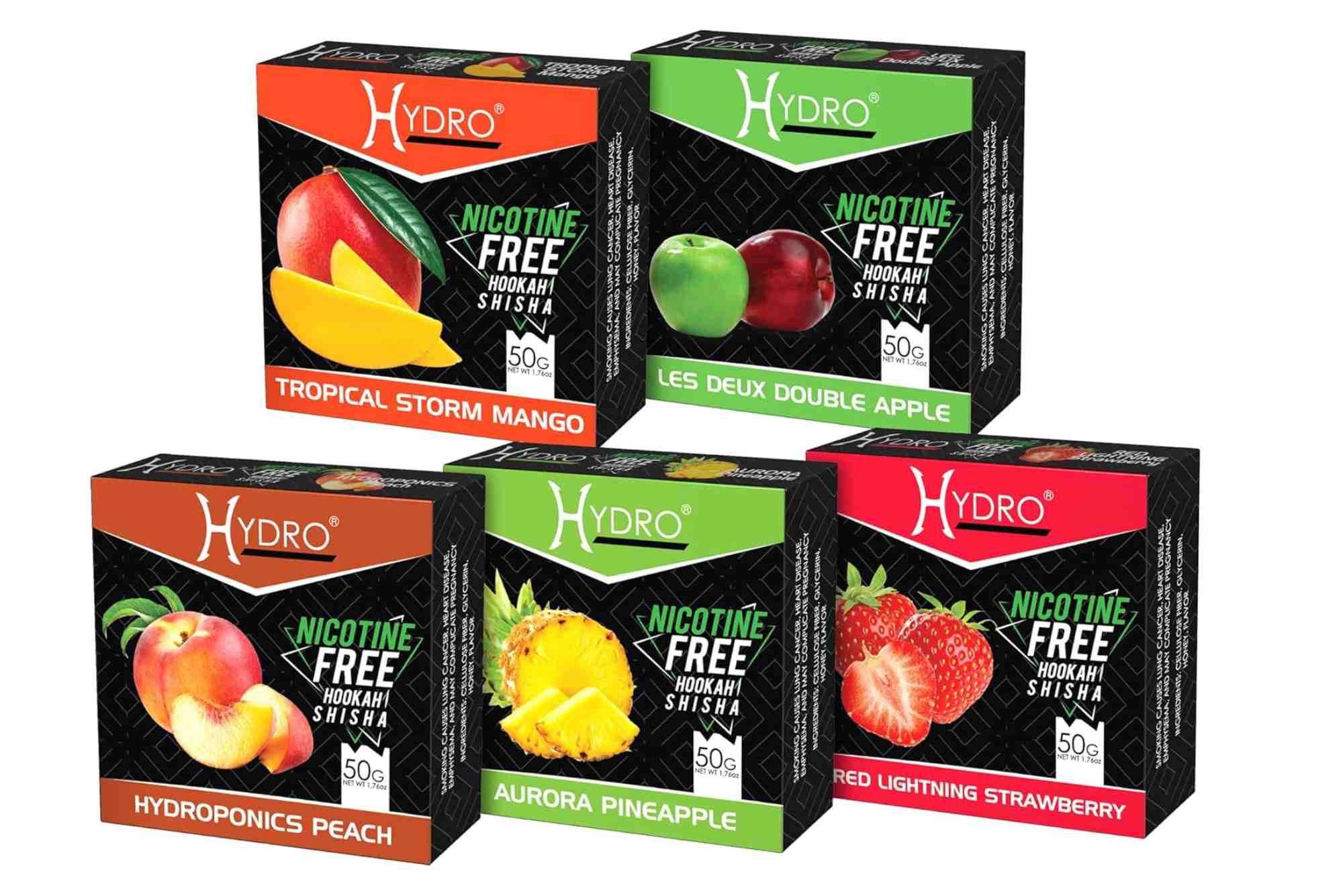
Combining Flavors: Best Mixes and Blends
The world of food and drink is an ever-evolving playground of taste. One of the most exciting aspects of culinary creativity is flavor mixing. Whether you’re crafting a dish, a cocktail, or a dessert, knowing how to mix flavors correctly can elevate your creation from good to unforgettable. Flavor mixing is more than just combining ingredients — it’s an art and a science that involves understanding balance, contrast, and harmony. In this article, we’ll explore the best flavor combinations, the principles behind successful blends, and how you can master the skill of mixing flavors like a professional chef.
Understanding the Basics of Flavor Mixing
At its core, flavor mixing involves pairing different taste elements to create a balanced and pleasant overall experience. The five primary tastes — sweet, salty, sour, bitter, and umami — serve as the foundation of flavor. When these are used thoughtfully, they can complement or contrast with each other to deliver complexity and satisfaction. For example, adding a hint of salt to chocolate not only enhances the sweetness but also balances the richness. Likewise, a squeeze of lemon on fried food cuts through the oil and refreshes the palate. Understanding how these basic tastes interact is the first step in mastering flavor mixing.
Principles of a Perfect Flavor Blend
To achieve a well-rounded blend, one must follow a few guiding principles. First is balance — no single flavor should overpower the others unless intended for dramatic effect. Balance creates harmony, which is essential in any successful mix. Next comes contrast. Contrasting flavors can excite the palate and keep the dish interesting. Think of sweet and spicy combinations or tangy and creamy pairings. Then there’s depth, which is built by layering flavors. A good stew or sauce, for example, develops flavor over time through layering ingredients and slow cooking. Finally, consider flavor enhancement. Some ingredients, like acids or fats, can amplify others. Lemon juice, vinegar, and salt are powerful enhancers that, when used sparingly, can bring out the best in a dish.
Best Flavor Pairings Across Categories
Flavor mixing doesn’t have to be complicated. With a basic understanding of what works well together, you can start experimenting with confidence. Let’s take a closer look at how flavor mixing applies across different food and beverage categories.
Sweet and Savory Combinations
Combining sweet and savory flavors is a tried-and-true method that delights many palates. Bacon-wrapped dates, honey-glazed chicken, and fruit paired with cheese are great examples. The sweetness enhances the richness or saltiness of the savory elements, creating a well-rounded taste. Caramelized onions, which combine the sweetness of sugar with the savory flavor of the onion, are another great example of this blend in action.
Spicy and Sweet Mixes
The blend of heat and sugar creates a unique contrast that can be both exciting and comforting. Popular examples include chili mango candies, spicy honey on pizza, and jalapeño-infused cocktails. The sweet component helps temper the spiciness, making it more approachable and enjoyable for a wider audience. This balance is crucial when you want to add intensity without overwhelming the palate.

Sour and Umami Blends
Sour and umami flavors make for a surprisingly complex pairing. Fermented foods often harness both elements naturally. Dishes like miso soup with a squeeze of lime, or soy-glazed meats with pickled vegetables, show how the sharpness of sour flavors can brighten the depth of umami-rich foods. This kind of pairing is especially popular in Asian cuisine, where vinegar, soy, and fermented sauces are commonly used.
Bitter and Sweet Matches
Bitterness can be a difficult flavor to work with, but when mixed properly — especially with sweet — it becomes a refined and elegant addition. Think of dark chocolate paired with raspberries or coffee with cream and sugar. The bitterness cuts through sweetness and prevents a dish from becoming cloying. Grapefruit, arugula, and dark leafy greens all benefit from a touch of honey or fruit-based dressing to mellow their bite.
Using Herbs and Spices for Flavor Complexity
Herbs and spices are essential tools in the flavor mixing toolkit. They not only add aroma and color but also enhance and deepen the primary flavors of a dish. Basil and tomatoes are a classic combination, as are cinnamon and apples. Cumin can bring a smoky depth to beans, while mint offers a refreshing contrast to lamb or chocolate. The key is to use herbs and spices in moderation and understand their impact. Fresh herbs like parsley, dill, and cilantro brighten dishes, while dried spices like clove, nutmeg, and cardamom add warmth and complexity.
Flavor Mixing in Beverages
Flavor mixing is just as important in beverages as it is in food. Cocktails, smoothies, and even teas benefit from thoughtful flavor combinations. In cocktails, bitters and citrus are often used to balance the sweetness of syrups or liqueurs. In coffee drinks, flavors like vanilla, cinnamon, or chocolate add depth and comfort. In smoothies, mixing tart berries with bananas or adding a hint of ginger can make the drink more exciting and layered. Understanding flavor mixing allows baristas and mixologists to craft drinks that are not only refreshing but memorable.
Cultural Influence on Flavor Mixing
Different cultures offer unique insights into flavor mixing. Indian cuisine, for example, masterfully blends sweet, spicy, sour, and bitter all in one dish. Thai food uses coconut milk to mellow intense spice and lime juice to cut through fat. In the Middle East, the balance of savory meats with sweet fruits like apricots or pomegranate is a signature approach. Studying traditional flavor combinations from around the world can inspire new ideas and help deepen your understanding of how and why certain mixes work.
Tips for Experimenting with Flavor Mixing at Home
If you’re just getting started, begin small. Use what you already have in your pantry and test different combinations. Taste frequently, and adjust as needed. Keep notes on what works well and what doesn’t. Acid and salt are your best friends for adjusting flavors quickly. Don’t be afraid to use unexpected ingredients — a splash of soy sauce in a chocolate sauce can add unexpected depth. Trust your taste buds, but also give your palate time to adapt to new combinations. Use recipes as a guide but allow your instincts and curiosity to lead you toward your own signature blends.
The Role of Texture in Enhancing Flavor Blends
Texture plays a supporting role in how flavors are perceived. Crunchy, creamy, chewy, or crispy textures affect how we experience taste. A soft cheese with a crisp cracker or a velvety soup with crunchy croutons adds both flavor and excitement to each bite. When mixing flavors, always consider the mouthfeel. Contrasting textures often make flavor combinations more dynamic and appealing. For example, pairing smooth avocado with crunchy bacon in a sandwich enhances not just taste but overall eating satisfaction.
Common Mistakes to Avoid in Flavor Mixing
One of the most frequent mistakes in flavor mixing is overcomplicating the dish. Too many bold ingredients can confuse the palate rather than delight it. Another error is ignoring balance — for instance, adding too much salt or sugar, which can dominate the other components. Additionally, not tasting as you go can lead to disappointing results. The best approach is to build slowly and mindfully. Begin with a base flavor and add complementary notes in stages. This allows you to maintain control and make necessary adjustments.
Flavor mixing is an accessible and exciting way to improve your cooking skills. Whether you’re blending ingredients for a meal, drink, or dessert, the principles remain the same — balance, contrast, enhancement, and harmony. By understanding how different tastes interact and learning from traditional and modern pairings, you can create dishes that surprise and delight. So next time you step into your kitchen, be bold. Try something new. Combine flavors that speak to you and share your creations with others. Flavor mixing isn’t just a technique — it’s a journey of discovery.
FAQ Section
What is flavor mixing in cooking?
Flavor mixing in cooking refers to the art of combining different taste elements — such as sweet, salty, sour, bitter, and umami — to create a balanced and appealing dish.
What flavors go well together?
Common flavor pairings include sweet and salty, spicy and sweet, sour and umami, and bitter with sweet. Herbs and spices also play a key role in enhancing these combinations.
How do chefs mix flavors?
Chefs mix flavors by balancing the five basic tastes, layering ingredients, using herbs and spices, and adjusting with acids or fats to enhance complexity and harmony.
Why is flavor mixing important?
Flavor mixing is crucial because it turns basic ingredients into flavorful, enjoyable dishes. It brings depth, contrast, and balance, improving both taste and texture.
Can you mix any flavors together?
While experimentation is encouraged, not all flavors mix well. Some combinations can clash. Start with known pairings and expand gradually as your palate develops.