
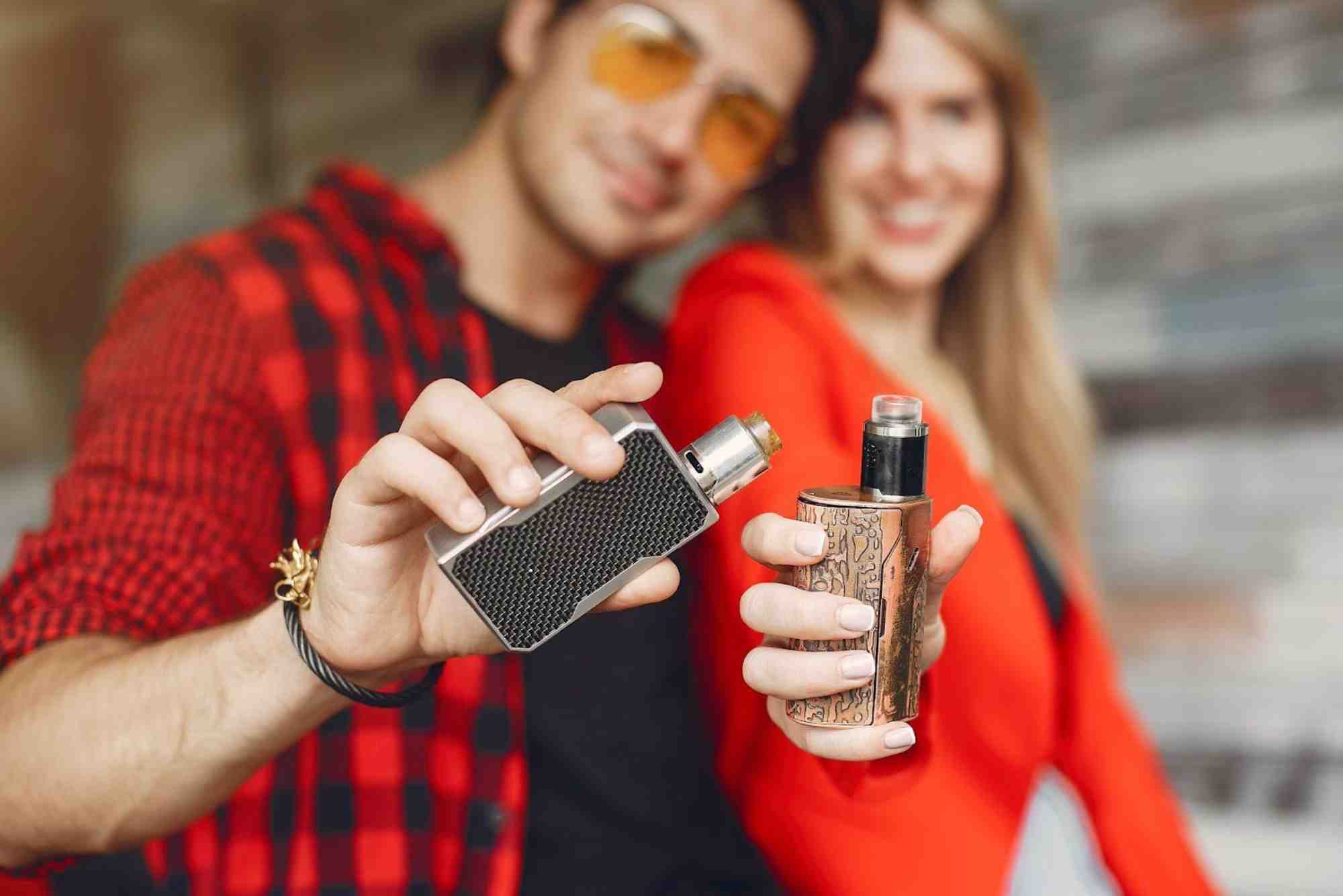
The Best Time to Vape as a New User
Vaping can feel confusing when you’re just starting out. One of the most common beginner questions is: What’s the best time to vape? While the answer varies depending on your routine and goals, understanding when and how to vape responsibly makes a big difference in your experience.
In this guide, we’ll break down the best times to vape, the science behind it, and how to avoid early mistakes. Whether you’re vaping for relaxation, nicotine delivery, or simply as an alternative to smoking, timing matters more than you think.
Why the Best Time to Vape Matters
When you vape, you’re introducing a substance—often nicotine—into your system. How and when you do this affects everything from your mood to your sleep and even your ability to concentrate.
For new users, vaping at the wrong time can lead to side effects like dizziness, throat irritation, or trouble sleeping. But when timed correctly, it can offer a smooth, satisfying experience that fits naturally into your lifestyle.
Best Time to Vape: Based on Daily Routine
Morning: A Wake-Up Boost for Smokers
If you’re switching from cigarettes, mornings might feel incomplete without nicotine. Many new users feel a craving right after waking up.
Vaping in the morning can provide a gentle lift in energy and mood. However, use low-nicotine options at first to avoid feeling jittery or lightheaded.

Tip: Don’t vape on an empty stomach. Have breakfast first to avoid nausea.
Midday: Managing Stress or Focus
Afternoons can come with work pressure, deadlines, or a dip in energy. This is a good time for a short vape session—ideally one that promotes focus and calm without overstimulating you.
Choose flavors or formulas known for a mellow effect. Avoid chain-vaping, which can spike your heart rate or cause headaches.
Evening: Winding Down—But With Caution
The evening feels like a great time to relax. However, vaping too close to bedtime—especially with nicotine—may affect your sleep quality.
If you want to vape at night, consider zero-nicotine options. They allow you to enjoy the ritual without the stimulant effects of nicotine.
Avoid vaping 1–2 hours before sleep to protect your rest cycle.
Matching Vaping Time with Goals
Are You Quitting Smoking?
If your goal is to stop smoking, your best time to vape should align with your old smoking schedule. This reduces cravings without overwhelming your body.
Gradually, you can decrease the number of sessions and nicotine levels.
Are You Vaping for Relaxation?
If relaxation is the goal, timing it during breaks, after meals, or before social interactions can make the habit feel rewarding.
Just make sure you’re in a calm environment and using the right nicotine strength to avoid overstimulation.
Are You Curious or Trying Social Vaping?
Some users start out just to explore or socialize. In that case, the best time to vape is when you feel safe, unpressured, and in control.
Never vape just because others are doing it. Always listen to your body.
How Nicotine Strength Affects Your Vape Timing
Nicotine levels change how and when you should vape. For example:
- High nicotine: Shorter, spaced-out sessions (ideal in the morning or after meals)
- Low nicotine: Safer for more frequent, casual use throughout the day
- No nicotine: Flexible timing, often best in the evening or for flavor enjoyment
Too much nicotine early in the day can spike your energy and lead to a crash later. On the other hand, low doses might not satisfy a former smoker’s craving in the morning.
Mistakes to Avoid as a New Vaper
Vaping Too Frequently
New users often vape too often, especially if they use low-nicotine or flavored options. This can lead to dehydration, headaches, or a sore throat.
Vaping Right Before Bed
As mentioned earlier, nicotine is a stimulant. Vaping too late may delay your sleep, disturb your sleep cycles, or leave you feeling groggy in the morning.
Ignoring Hydration
Vaping pulls moisture from your body. Keep water nearby and sip often, especially if you vape in the morning or after a workout.
Mixing with Caffeine or Alcohol
Both substances can amplify the side effects of vaping. Avoid vaping with your first coffee or while drinking alcohol until you know how your body reacts.
Expert Advice on the Best Vaping Schedule
Nicotine takes about 15 seconds to enter the bloodstream when inhaled. Its effects last between 20–60 minutes depending on your metabolism and intake.
According to Johns Hopkins Medicine, moderation is key: “New vapers should learn their body’s reaction and avoid high doses of nicotine early on.”
A general safe schedule for new users might look like:
- Morning (optional): After breakfast, small session
- Midday: One or two short puffs during a break
- Evening: Light or nicotine-free vaping if desired
Best Situations and Environments for Vaping
Outdoors with Fresh Air
Vaping outdoors reduces the intensity of vapor in your lungs and avoids lingering smells. It’s also more socially acceptable in most public settings.
Alone for First Sessions
Try your first few sessions in private. This reduces peer pressure and helps you notice how your body responds.
After a Meal
Vaping after eating mimics post-meal smoking, which many former smokers find comforting.
FAQs: People Also Ask
Can you vape right after waking up?
Yes, but proceed carefully. Vaping on an empty stomach can make you feel sick. Always hydrate and eat first.
Is it bad to vape before bed?
Vaping before bed—especially with nicotine—can disrupt your sleep. Avoid vaping 1–2 hours before sleeping.
How often should a new vaper vape?
Start with 2–3 sessions per day. Listen to your body and avoid chain-vaping. Less is often more.
When should I avoid vaping?
Avoid vaping when you’re dehydrated, before workouts, or when feeling dizzy. Also, skip it if you’re anxious or sleepy.
Is morning or evening better for vaping?
Morning helps former smokers with cravings. Evening works for relaxation—if you choose nicotine-free options.
Real-Life Tips from New Vapers
Many beginners share that setting limits early on helped them avoid addiction. Some started with a simple rule: No vaping before 10 AM and none after 8 PM.
Others journaled how they felt after each session to track what time worked best. These insights are crucial if you’re trying to use vaping responsibly or as a quitting aid.
Supporting Research and Resources
- CDC’s Guide on E-Cigarette Use
- Johns Hopkins Medicine – Vaping Facts
These reputable sources recommend moderation, observation, and personalized habits over rigid schedules.
Choose Your Best Time to Vape Wisely
There’s no one-size-fits-all answer to the best time to vape—but there are smart ways to find your rhythm. For new users, the key is to start slow, observe how your body reacts, and be intentional about timing.
Stick with low-nicotine or zero-nicotine options until you understand your tolerance. Avoid overuse and late-night sessions to protect your health and sleep.