
Choosing Between Cig-A-Likes and Pod Systems
Vaping has grown into a vast landscape of devices and technologies, each catering to different preferences and lifestyles. For beginners and transitioning smokers, two of the most common entry points are cig-a-likes and pod vape systems. These devices offer a simplified and accessible way to experience vaping without overwhelming the user with complicated features. But when it comes to cig-a-like vs pod vape, which one is right for you?
In this guide, we’ll explore the core differences, advantages, and drawbacks of cig-a-likes and pod systems. We’ll help you determine which is better suited for your needs and how each performs in terms of usability, satisfaction, cost, and longevity. Whether you’re just starting out or considering switching devices, this detailed comparison will clarify your decision.
Understanding Cig-A-Likes and Pod Vape Systems
What Are Cig-A-Likes?
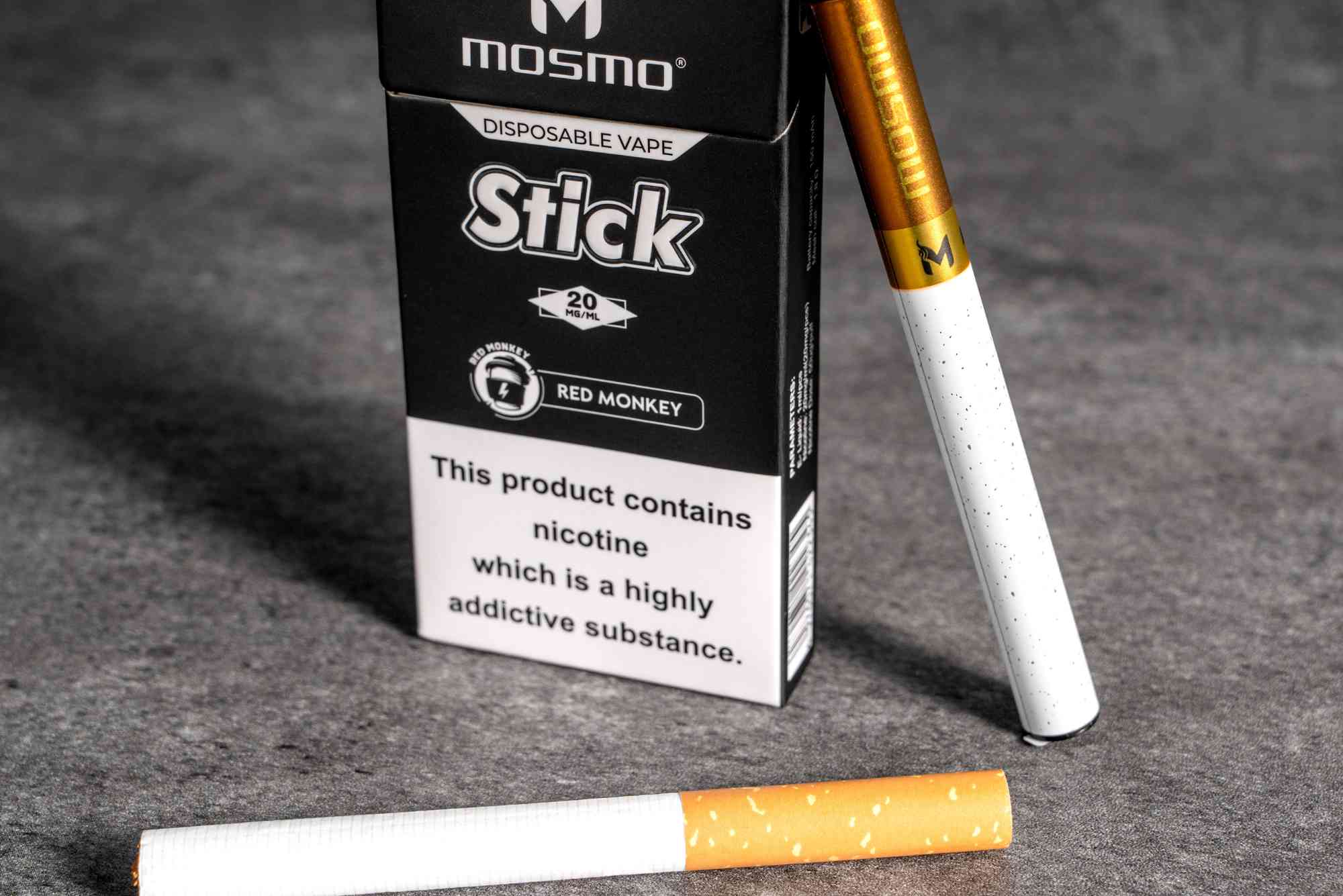
Cig-a-likes are the earliest form of e-cigarettes designed to mimic the look and feel of traditional cigarettes. They are small, lightweight, and typically disposable or rechargeable with replaceable cartridges. Cig-a-likes usually consist of a battery and a cartomizer (a cartridge with built-in atomizer) filled with nicotine e-liquid. They’re known for their simplicity and are often marketed as an easy transition for smokers.
What Are Pod Vape Systems?
Pod systems represent a more modern generation of vaping technology. These devices use a compact battery base and a refillable or replaceable pod that contains the e-liquid and coil. Pod vapes come in both open systems (refillable) and closed systems (pre-filled pods). They are sleek, portable, and offer more advanced features such as better vapor production, nicotine salt compatibility, and longer battery life.
Cig-A-Like vs Pod Vape: A Deep Dive Comparison
Ease of Use
One of the primary reasons users choose cig-a-likes or pod systems is ease of use. Cig-a-likes are exceptionally simple—there are no buttons, settings, or learning curves. You simply puff and enjoy. This makes them perfect for first-time users or those who want a straightforward vaping experience.
Pod systems, while still user-friendly, require a slight learning curve, especially for refillable options. You may need to fill the pod, replace the coil, or adjust settings depending on the device. However, most modern pod vapes are designed to be intuitive and beginner-friendly.

In terms of simplicity, cig-a-likes win. But for those willing to learn a bit more, pod vapes offer far greater flexibility and performance.
Flavor and Vapor Quality
Cig-a-likes tend to offer limited flavor options and modest vapor production. Since they are smaller and operate at lower wattages, they cannot compete with the richness of flavor and cloud production that pod systems can deliver.
Pod systems are known for superior flavor delivery and a smoother vaping experience. Especially when using nicotine salt e-liquids, pod vapes can mimic the throat hit of a cigarette while producing more satisfying vapor. If flavor and performance matter to you, pod systems offer a clear advantage.
Nicotine Delivery
Nicotine satisfaction is a crucial factor for users transitioning from smoking. Cig-a-likes typically use freebase nicotine and offer low-to-medium strength options. Their low power means the nicotine hit is often mild, which may not satisfy heavy smokers.
Pod vapes, especially those using nicotine salts, deliver nicotine more efficiently. This results in a faster and stronger hit, closely resembling the experience of smoking. For users craving a more potent and effective nicotine delivery, pod systems are a better choice.
Battery Life and Charging
Cig-a-likes have smaller batteries due to their compact size. As a result, they need frequent recharging and may not last a full day, particularly for regular vapers. Some disposables eliminate charging altogether, but this means you’ll need to keep replacements on hand.
Pod vapes generally feature larger batteries and offer longer usage times. Many models include USB-C fast charging, ensuring a full charge in less than an hour. This is a significant benefit for users who vape throughout the day.
Cost and Maintenance
Initial costs for cig-a-likes are usually lower. You can purchase a basic kit or a disposable unit for a minimal investment. However, long-term costs can add up quickly. Replacement cartridges are often more expensive per use compared to bottles of e-liquid used with refillable pod systems.
Pod vapes might have a higher upfront cost, especially if you’re buying a reusable system. But over time, the ability to use refillable pods and bulk e-liquids becomes more economical. In terms of maintenance, cig-a-likes require less care, while pod systems may need occasional cleaning and coil changes.
If you’re looking for an affordable way to get started, cig-a-likes are appealing. But for those thinking long-term, pod systems offer better value.
Customization and Flexibility
Cig-a-likes are fixed devices with no room for customization. You’re limited to the flavors and nicotine levels available in the cartridges provided by the manufacturer.
Pod systems, on the other hand, give you more control. You can experiment with different flavors, nicotine strengths, and even vape styles (mouth-to-lung or direct-lung, depending on the pod). This versatility makes pod systems more appealing to users who want to personalize their vaping experience.
Availability and Variety
While cig-a-likes were once dominant, they are now becoming less common. Fewer companies produce them, and flavor options are usually limited to tobacco and menthol. Pod systems dominate the market today, with countless models, brands, and e-liquid options available.
This broader selection allows users to find a device and flavor combination that perfectly suits their preferences. Pod systems offer more choices, while cig-a-likes stick to the basics.
Which One Is Right for You?
Choosing between cig-a-like vs pod vape comes down to your personal needs, goals, and preferences.
If you want a device that feels just like a cigarette, requires no setup, and is extremely easy to use, a cig-a-like is a good starting point. It’s particularly useful for light smokers or those curious about vaping but hesitant to invest much upfront.
However, if you’re looking for a more satisfying, customizable, and cost-effective vaping journey, a pod system is clearly the better option. With stronger nicotine delivery, better flavor, and longer battery life, pod vapes meet the demands of both beginners and experienced users.
(FAQs)
What’s the difference between cig-a-likes and pod systems?
Cig-a-likes are designed to mimic the size and feel of traditional cigarettes, using pre-filled cartridges. Pod systems are more modern devices that use refillable or replaceable pods, offering better performance, flavor, and nicotine delivery.
Are pod vapes better than cig-a-likes?
Yes, pod vapes generally outperform cig-a-likes in terms of flavor, vapor production, battery life, and nicotine satisfaction. They are ideal for users seeking a more robust and flexible vaping experience.
Are cig-a-likes safer than pod systems?
Both devices fall under the general category of e-cigarettes and are considered less harmful than smoking. Safety depends more on the quality of materials and how the device is used rather than the type itself.
Which is cheaper in the long run: cig-a-like or pod vape?
While cig-a-likes are cheaper to start, their replacement cartridges can become costly over time. Pod systems, especially refillable ones, are more cost-effective for long-term use.
Can I switch from a cig-a-like to a pod vape?
Absolutely. Many users start with cig-a-likes and later transition to pod systems for a better experience. Switching is easy and often leads to greater satisfaction.
The debate between cig-a-like vs pod vape is not just about which device is better—it’s about what’s better for you. Cig-a-likes offer convenience, familiarity, and ease, making them great for first-time users. But for a richer, more satisfying experience, pod vapes shine with their flavor options, performance, and long-term value.