
Starter Kit vs Buying Separately: What’s Best?
If you’re new to vaping, you’ve probably asked yourself a very specific question: vape starter kit or separate parts—what actually makes the most sense? Even experienced users revisit this decision when it’s time to upgrade. In this guide, I’ll walk you through real-world cost, convenience, performance, safety, and long‑term flexibility so you can decide confidently. I’ll also answer the most common questions people search for online so you’re not left guessing.
The one‑minute answer
Go with a vape starter kit or separate setup based on how much you value simplicity versus control. If you want a guaranteed, compatible bundle that works out of the box, a kit is the stress‑free winner. If you already understand batteries, coils, resistance, wattage, and compatibility—or you want very specific parts for a custom experience—buying separately can be more rewarding. Many reputable brands note that kits are usually more cost‑effective for true beginners because they remove the risk of incompatible parts and hidden expenses.
What a starter kit actually includes (and what it usually doesn’t)
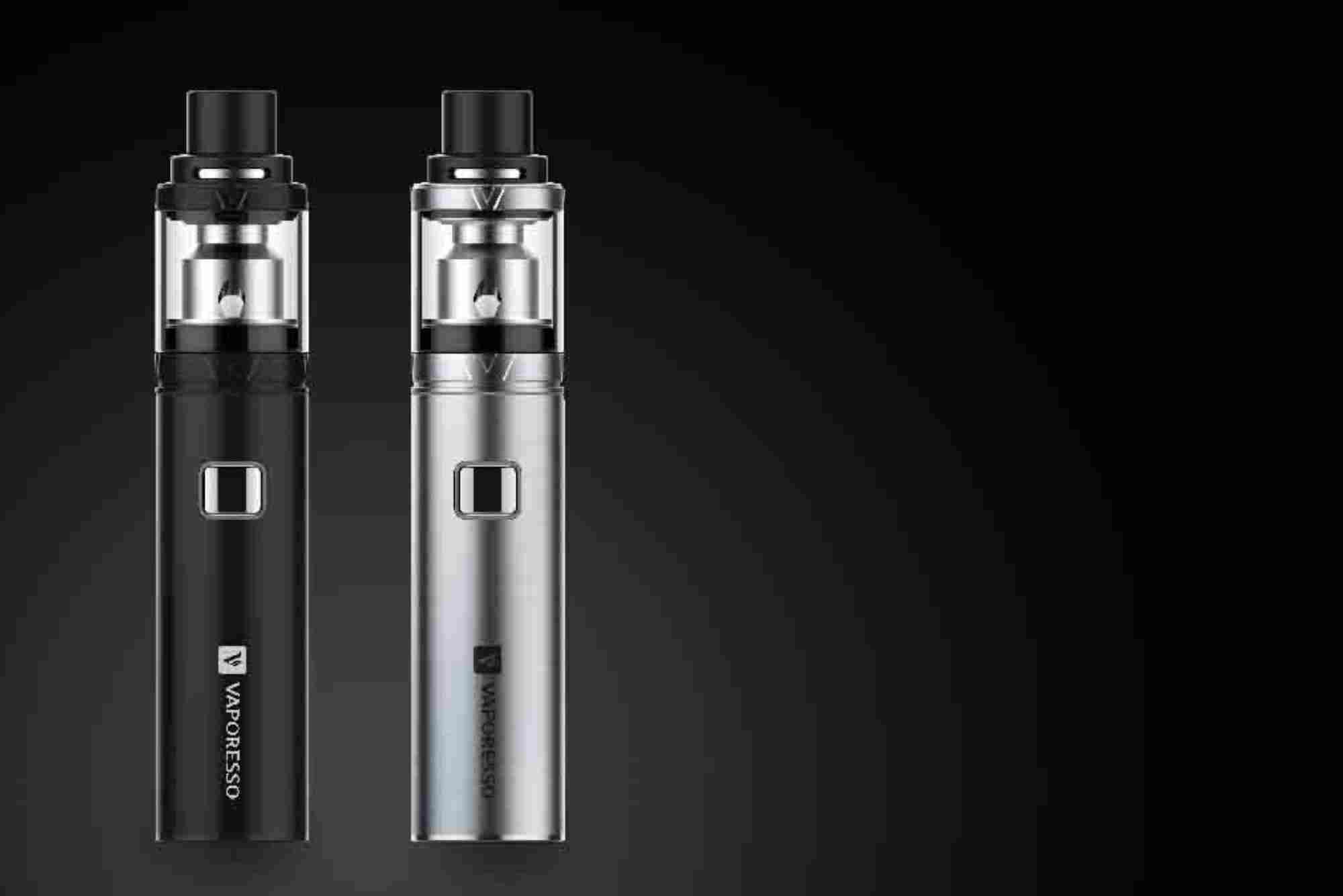
Most mainstream kits bundle the essentials you need to vape immediately: a mod or battery device, a tank or pod, one or more coils, and a charging cable. Printed manuals and authenticity codes are common because counterfeits exist and brands want you to verify your device. Many kits, however, do not include e‑liquid, so factor that into your first purchase.
That all‑in‑one completeness is precisely why newcomers often lean toward a vape starter kit or separate comparison and end up choosing the kit: it removes the fear of forgetting an essential piece and walking home unable to vape.
Cost: upfront vs long term
Let’s be honest: budget matters. Entry‑level vape starter kits often sit around the twenty to thirty dollar mark, while premium bundles can rise well beyond one hundred dollars, sometimes hitting several hundred for specialized devices. Those figures can fluctuate by country, tax, brand, and what’s inside the box, but the pattern is consistent: you can start cheaply, and you can also spend a lot if you chase performance or design.
When you buy parts separately, the first challenge is compatibility, the second is duplicate spending. Many people buy a tank they later discover doesn’t pair ideally with their mod’s wattage range or battery capabilities, so they replace one or both. That double spending usually erases any theoretical savings from piecemeal buying—especially early on.

Over the long term, both routes converge. Coils, pods, cotton, glass, and batteries are wear items. Whether you began with a vape starter kit or separate components, you’ll replace consumables at similar intervals. Enthusiasts who buy separately may save on specific items by shopping sales or mixing third‑party parts, but that presumes you know exactly what you’re doing.
Convenience, learning curve, and setup time
With a kit, you open the box, read the short manual, prime the coil, fill the tank or pod, and vape. That’s it. The device is designed around itself, so you don’t wonder whether your coil will fire at your chosen wattage or if your charger is appropriate. For anyone who wants to switch from cigarettes quickly or who has zero appetite for specs, a kit wins pure convenience.
Buying separately demands research. You’ll need to understand ohms, amperage limits, wattage ranges, coil materials, airflow styles, battery safety, and firmware updates. If that excites you, great—you’re the ideal candidate for a custom build. If not, a kit keeps you safe from analysis paralysis.
Performance and customization
There’s no universal rule that a vape starter kit or separate setup performs better. Many modern starter kits deliver adjustable wattage, airflow, and even temperature control. Still, if you’re chasing very specific experiences—ultra‑tight mouth‑to‑lung with a certain resistance and coil geometry, or high‑wattage direct‑to‑lung clouds with a particular airflow path—hand‑picking each component can get you closer to your target.
Think of it like PC building: prebuilt machines have improved massively, but enthusiasts still assemble parts because they want a precise GPU, cooler, or RAM kit. Vaping isn’t different—kits have become much better, but hobbyists will always fine‑tune.
Safety, support, and warranty
New vapers often underestimate safety. Mixing batteries, chargers, and tanks from different brands can be perfectly fine, but it can also go poorly if you ignore ratings and specs. Kits reduce the odds of a mismatch and typically come with clear documentation, authenticity checks, and single‑brand support, which simplifies warranty claims.
When you compile your own rig, each component may have a separate warranty path. That’s manageable if you’re comfortable troubleshooting, but it’s another reason total novices often begin with a kit before branching out.
When buying separately makes the most sense
If you already know what resistance range you prefer, which wire materials you enjoy, how much power you need, and which batteries are safe for that load, then the vape starter kit or separate debate ends quickly—go separate. You’ll get exactly the atomizer, chipset, ergonomics, and battery configuration you want, and you’ll avoid paying for bundled parts you’ll never use.
It also makes sense if you’re upgrading a single weak link. For example, maybe your kit’s tank isn’t delivering the flavor you want, but you love the mod. Swapping in a different tank could be cheaper than buying a whole new kit. Spare parts and upgrades are abundant, so you won’t be locked out of improvements.
When a starter kit is the smarter buy
If you’re moving from smoking to vaping, want the fastest path to a working setup, or you’re simply unsure how all the parts fit together, choose a starter kit. You’ll get everything you need (bar e‑liquid in many cases), the device will be tuned to itself, and you’ll have fewer early mistakes to pay for. Brands repeatedly frame starter kits as cost‑effective for precisely these reasons: they remove friction, confusion, and compatibility headaches.
A simple decision framework
Ask yourself a few quick questions. Do you want plug‑and‑play convenience? Are you okay reading spec sheets and comparing ohm ranges? Do you care more about a fast switch from cigarettes or about dialing in exotic builds? Is there a brand whose entire ecosystem you trust, or do you want to cherry‑pick across brands? Your honest answers will tell you whether a vape starter kit or separate route fits your personality, timeline, and budget.
FAQs
Is it cheaper to buy a vape starter kit or separate parts?
For beginners, it’s usually cheaper overall to start with a kit because you avoid incompatible purchases and duplicate spending. Experienced vapers who know exactly what they want can sometimes save by buying components piece by piece.
What should a vape starter kit include?
Expect a device or mod, a tank or pod, at least one coil, a charging cable, and a printed manual. Many kits also include authenticity codes so you can verify your device online. E‑liquid is often sold separately.
How much does a vape starter kit cost?
Typical starter kits hover around 20–30 USD, while premium options can climb to 100–500 USD depending on brand, chipset, and included hardware.
Can I buy spare parts for my vape if something breaks or I want to upgrade?
Yes. Tanks, coils, glass, batteries, and even chip‑equipped mods are all sold separately, so you can replace worn items or improve performance without buying a brand‑new kit.
Do vape starter kits come with e‑liquid?
Often, no. Many retailers and brands sell the device kit on its own, and you choose your e‑liquid separately. Always check the product page so you don’t get caught without juice on day one.
If your goal is to start vaping quickly, safely, and affordably, a vape starter kit or separate debate ends here—buy the kit. You’ll reduce your learning curve, skip compatibility worries, and still be free to upgrade parts later. If, however, you love tinkering, already understand the tech, and want tight control over every component, buying separately will reward your curiosity.