
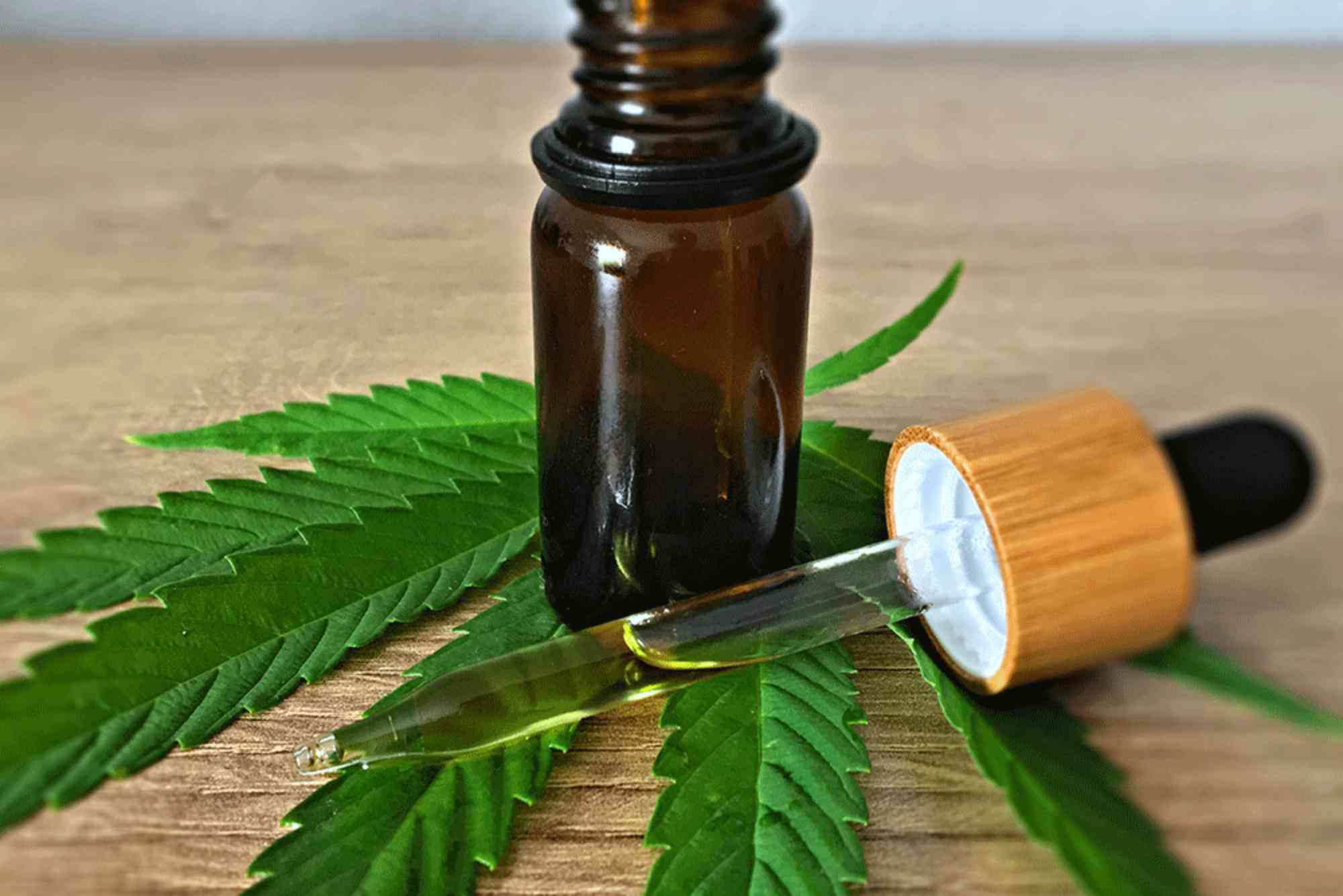
CBD and Islamic Law: Is It Halal or Haram?
The conversation around CBD has gained momentum across the UAE. As CBD products flood the market, many Muslims are asking an essential question: Is CBD halal or haram? This question is not merely academic; it touches on religious obligations, health choices, and legal regulations. In this article, we will explore the topic of halal CBD in UAE, understanding its nature, how it aligns with Islamic jurisprudence, and what consumers need to consider before using CBD products.
Understanding CBD: What Is It?
CBD, or cannabidiol, is a naturally occurring compound extracted from the hemp plant. Unlike THC (tetrahydrocannabinol), which causes psychoactive effects or the “high,” CBD is non-intoxicating. It has gained popularity worldwide for its potential health benefits, such as reducing anxiety, managing pain, and improving sleep quality. However, the fact that CBD is derived from the cannabis plant often raises concerns among Muslim consumers about its permissibility under Islamic law.
Islamic Perspective on Halal and Haram Substances
In Islam, anything consumed must adhere to the principles of halal (permissible) and avoid haram (forbidden). Islamic scholars base these rulings on the Qur’an, Hadith, and interpretations from respected jurists. The general rule is that substances causing intoxication or harm to the body are deemed haram. However, substances that offer medicinal benefits, without leading to intoxication, are allowed, provided they comply with Islamic ethical standards.
This brings us to the crucial inquiry: does CBD fall into the category of halal substances, especially for Muslims living in the UAE?
Halal CBD in UAE: Sharia Compliance Explained
For CBD to be considered halal, it must meet specific criteria outlined by Sharia law. Firstly, the source of CBD should be lawful. In the UAE, CBD is primarily derived from industrial hemp, which contains negligible amounts of THC. Products that contain 0.0% THC or are certified THC-free are considered compliant with UAE regulations.
Secondly, the manufacturing process must avoid contamination with haram substances, such as alcohol. Some CBD oils are processed using ethanol-based extraction methods, which might raise concerns among scholars. Therefore, halal-certified CBD products in the UAE use alternative extraction methods like CO2 extraction, ensuring no haram elements are introduced.

Lastly, the purpose of consumption plays a vital role. If CBD is used for legitimate medicinal purposes under a doctor’s supervision, many scholars permit its use, drawing parallels with medicinal drugs derived from otherwise prohibited substances when no halal alternatives exist.
Legal Status of CBD in the UAE: A Key Consideration
The legal framework surrounding CBD in the UAE is stringent. The UAE government permits the sale of CBD products only if they are free from THC. Any product containing traces of THC is considered illegal and can lead to serious legal repercussions. Hence, consumers must ensure that the CBD products they purchase are lab-tested and comply with UAE regulations.
Additionally, the UAE has seen a rise in halal-certified wellness products, including CBD oils, capsules, and skincare items. Businesses offering halal CBD in UAE often undergo rigorous certification processes to meet both governmental and religious standards.
Scholarly Views: Is CBD Halal or Haram?
Islamic scholars have debated the permissibility of CBD extensively. The majority consensus leans towards CBD being halal, provided it is free from intoxicating elements. The reasoning is that the prohibition in Islam is primarily against substances that impair mental faculties and lead to harm. Since CBD does not cause intoxication and offers potential therapeutic benefits, it is considered permissible in cases where it aids in treatment.
Renowned Islamic organizations, including some Sharia councils in Muslim-majority countries, have issued fatwas allowing the use of CBD for medical purposes. However, these rulings often come with the condition that the product must be free from THC and should not be used recreationally.
Factors That Determine Halal CBD in UAE
Several factors influence whether a CBD product can be deemed halal:
- Source of Hemp: The hemp must be grown under legal and ethical guidelines, free from genetic modifications that contradict Sharia principles.
- THC Content: The product must contain 0.0% THC to ensure no psychoactive effects.
- Extraction Process: Ethanol or alcohol-based extractions are avoided in favor of CO2 methods.
- Certification: A product should ideally carry a halal certification from a recognized Islamic authority.
- Intended Use: CBD should be consumed for legitimate health benefits, not for recreational experimentation.
Why Halal CBD is Gaining Popularity in the UAE
There is a growing awareness among UAE consumers about wellness products that align with Islamic values. As alternative medicine gains traction, people are actively seeking halal CBD in UAE for managing conditions like chronic pain, anxiety, and inflammation. The demand for natural and ethical wellness solutions is rising, pushing brands to develop products that cater specifically to the Muslim community.
Moreover, many UAE residents appreciate that halal CBD products often uphold higher purity standards, ensuring they are free from contaminants, alcohol, or other forbidden substances.
Misconceptions About CBD in Islam
Several misconceptions persist around the use of CBD in Islamic culture. The most common myth is that all cannabis-derived products are automatically haram. This oversimplification fails to recognize the differences between THC and CBD. Another misconception is that using CBD is akin to drug use, which is not the case when the product is free from psychoactive elements.
Education and transparency from manufacturers play a critical role in dispelling these myths. Companies offering halal CBD in UAE are making efforts to educate consumers about the sourcing, production, and benefits of their products, often providing detailed lab reports and certifications.
Is CBD Halal or Haram for Muslims in the UAE?
In conclusion, CBD can be considered halal for Muslims in the UAE, provided it meets strict criteria regarding its source, THC content, extraction process, and intended usage. It is essential for consumers to purchase only from reputable brands that offer transparent lab results and halal certifications.
As the wellness industry continues to evolve, halal CBD presents a viable option for those seeking natural remedies within the boundaries of Islamic law. However, it remains the individual’s responsibility to ensure their choices align with both legal and religious guidelines.
FAQs
F2: Is CBD Oil Halal or Haram in UAE?
CBD oil is considered halal in the UAE if it is derived from THC-free hemp and processed without alcohol or other haram substances. Always check for halal certification and lab testing to ensure compliance with Islamic laws.
F3: Can Muslims Use CBD for Medical Purposes?
Yes, Muslims can use CBD for medical purposes if prescribed by a doctor and if the product is free from intoxicants like THC. Islam allows the use of such substances for treatment when no halal alternatives are available.
F2: Does CBD Contain Any Haram Ingredients?
Pure CBD does not contain haram ingredients. However, some products may be processed with alcohol-based solvents. To ensure permissibility, opt for products that use CO2 extraction and carry halal certification.
F3: Is Smoking CBD Vape Halal?
Smoking, in general, is discouraged in Islam due to its harmful effects. While CBD itself may be halal, inhaling it through vaping raises health and ethical concerns. Therefore, scholars often advise against vaping CBD and prefer consumption through oils or capsules.
F2: How Can I Verify If a CBD Product is Halal?
Look for products with halal certification from recognized Islamic authorities. Additionally, review third-party lab reports to ensure the product is THC-free and free from contaminants or alcohol-based solvents.