
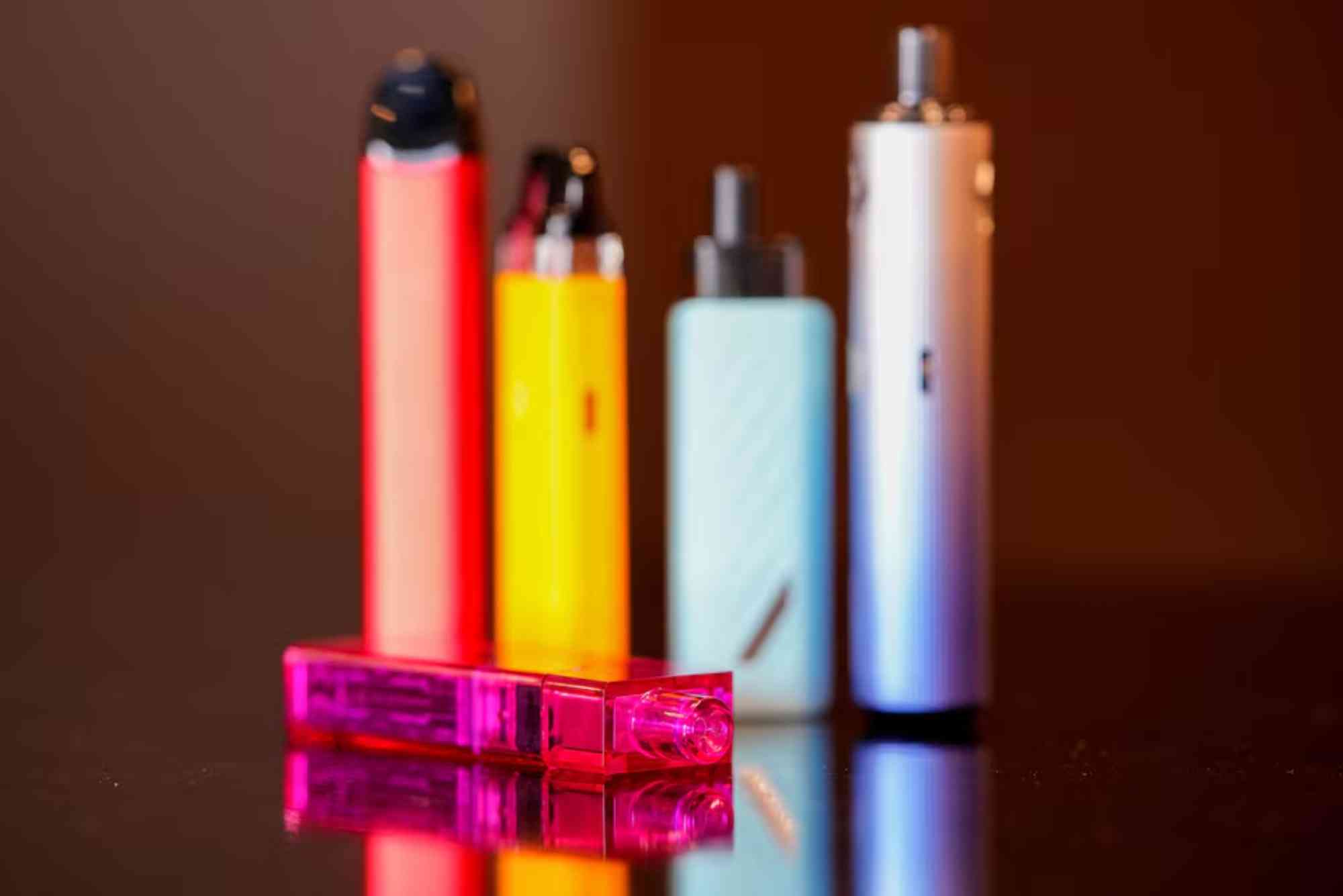
Vape Law Trump – What Vapers Should Know
The phrase vape law Trump sparks both curiosity and debate. It refers to the vaping policies and regulations shaped during Donald Trump’s presidency and their ongoing influence today. From flavor bans to the age‑21 rule, Trump‑era decisions continue to affect vapers, retailers, and the vaping industry as a whole. This guide breaks down what you need to know.
Vaping laws in the United States have shifted significantly over the last few years, and Donald Trump’s administration played a major role in that change. For vapers, understanding the vape law Trump period is crucial because it shaped federal rules still in force today. Whether you are a casual user, a business owner, or someone following vaping politics, these changes impact what products you can buy, who can buy them, and how they’re regulated.
Trump’s Vaping Policies: The Basics
Flavor restrictions and compromises
In 2019, amid rising concern over teen vaping, Trump initially proposed a sweeping ban on all flavored e‑cigarettes. However, following industry pressure and public feedback, the administration introduced a narrower ban. The FDA prohibited flavored cartridge‑based pods—except for menthol and tobacco—while leaving tank systems available to adult consumers. This compromise aimed to address youth vaping while preserving options for adult smokers seeking harm reduction alternatives.
Raising the legal age to 21
One of the most significant vaping laws passed under Trump was raising the minimum age to purchase tobacco and vaping products from 18 to 21 nationwide. Known as the Tobacco 21 law, it took effect in late 2019 and remains in place today. This move aligned with efforts to reduce youth nicotine addiction and brought federal law in line with many state‑level age restrictions.
Enforcement against illicit imports
Another focus during the Trump administration was tackling the influx of unauthorized disposable vapes from overseas manufacturers, particularly from China. These unregulated imports were blamed for bypassing FDA oversight and fueling the youth vaping problem. Federal agencies began intensifying enforcement efforts against such products, a process that continues today.
Legal and Regulatory Developments
FDA’s marketing denials and court support
The FDA has issued millions of marketing denial orders for flavored vaping products it deems likely to attract underage users. The legal authority for these denials has been upheld in court, reinforcing the FDA’s power to control the sale of flavored e‑cigarettes. This has effectively removed most unauthorized flavored products from the legal U.S. market.

Impact on the PMTA process
The Premarket Tobacco Product Application (PMTA) process remains a key regulatory barrier for companies wanting to sell vaping products. Critics argue that the process is overly complex and expensive, favoring large tobacco companies over small vape businesses. While Trump’s administration considered easing this process, the core requirements remain strict.
Executive delays on pending rules
Some regulatory proposals—such as banning menthol cigarettes and reducing nicotine levels in tobacco products—were delayed during the Trump era. These delays provided breathing room for the vaping industry but also prolonged uncertainty about future regulations.
What Vapers Should Know Today
Flavored vapes are mostly banned
The majority of fruit, candy, and dessert‑flavored vapes are no longer legally available unless they have received specific FDA authorization. This has significantly limited product variety in retail stores and online markets.
Age‑21 purchase rule is permanent
It is now a permanent federal law that no one under 21 can legally purchase tobacco or vaping products anywhere in the United States. Retailers must verify age for all sales, whether in person or online.
Watch for future executive actions
While the framework of Trump‑era laws remains in place, a future administration could alter enforcement priorities or adjust regulatory requirements. For now, the vaping community is closely monitoring whether the current government will loosen or tighten restrictions.
FAQs
What was Trump’s actual stance on flavored vapes?
Trump initially supported banning all flavored vaping products but later approved a compromise that allowed menthol and tobacco flavors while restricting other flavors in pod‑based systems.
Are flavored vapes completely banned now?
For the most part, yes. Most flavored vaping products are illegal unless they have FDA authorization, which is rare.
Why did the age limit change to 21?
The age increase was intended to curb youth vaping and nicotine addiction. The Tobacco 21 law ensures a consistent national standard.
Will the PMTA process become easier under Trump?
While the vaping industry hopes for a streamlined PMTA process, significant changes have not yet been implemented.
What about illegal disposable vapes?
The federal government continues to target unauthorized disposable vapes, especially those imported from overseas, due to concerns over youth access and unregulated ingredients.
The vape law Trump period reshaped vaping regulation in the United States. It brought in the age‑21 purchase rule, tightened restrictions on flavored products, and strengthened FDA oversight. These policies remain highly influential today, even as debates continue over whether they protect public health or limit adult choice.