
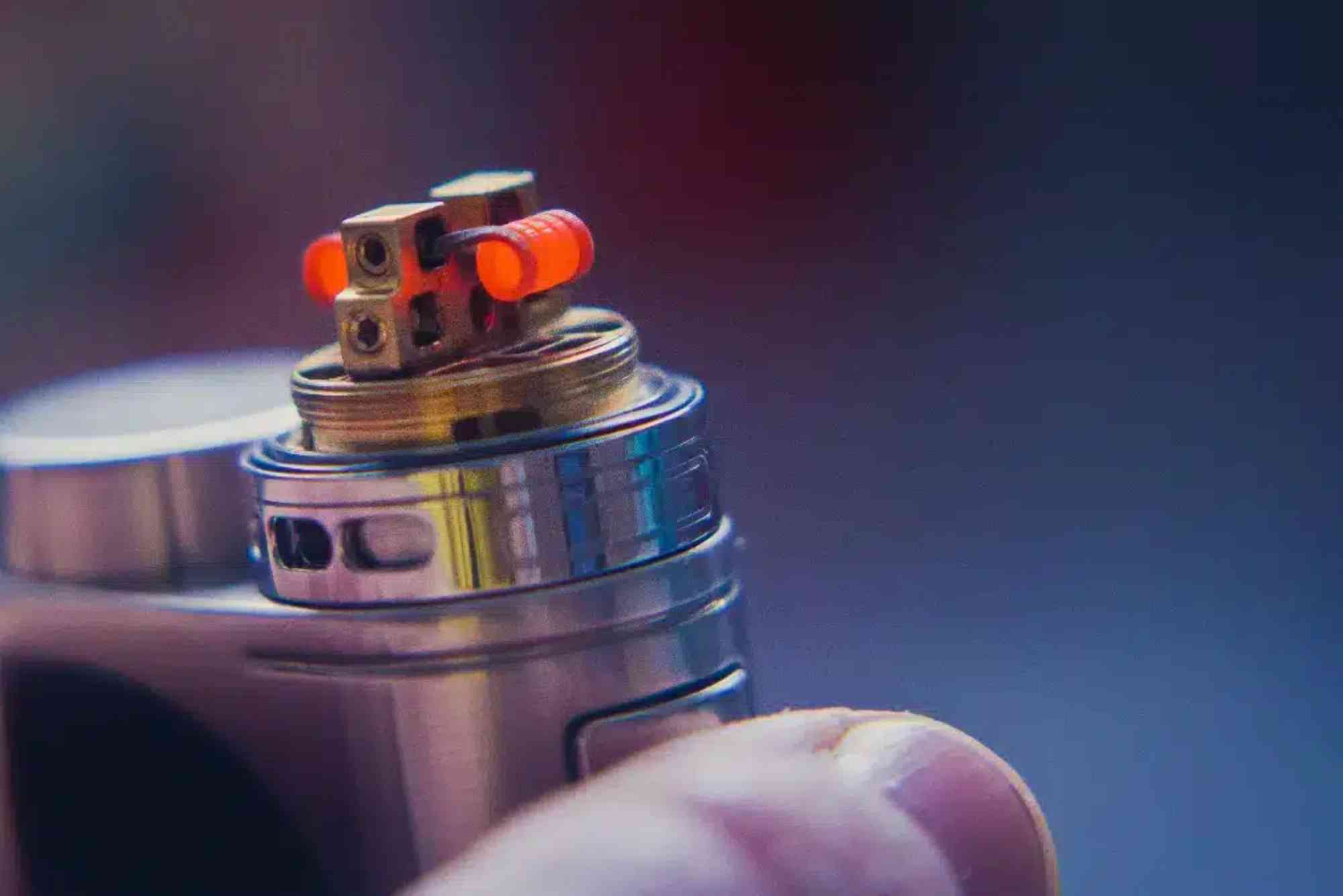
Ohm’s Laws Vape – What Vapers Should Know
Understanding Ohm’s laws vape principles is essential for anyone using advanced vaping devices. While casual vapers might rely on prebuilt pods, enthusiasts who build their own coils or adjust wattage settings need to understand how resistance, voltage, and current interact. Knowing this helps avoid dangerous mistakes and improves the vaping experience.
In vaping, Ohm’s law is not just a physics concept—it’s a safety rule. It ensures you choose the right coil resistance for your battery and desired vape style. Without it, you risk damaging your device, overloading your battery, or worse, causing a hazardous short circuit.
What is Ohm’s Law in Vaping?
Ohm’s law explains the relationship between voltage (V), current (I), and resistance (R) in an electrical circuit. The formula is simple: V = I × R. In vaping terms, your battery provides voltage, your coil has resistance, and the current flows through that coil to produce heat, which vaporizes e-liquid.
If the resistance is too low, the current draw increases, which can stress your battery. If it’s too high, the vapor production may be weak. Striking the right balance is key.
Why Ohm’s Laws Matter for Vapers
Applying Ohm’s laws vape knowledge can be the difference between a satisfying vape and a dangerous one. Batteries have limits. Exceed those limits, and you risk overheating, venting, or even battery failure. Using Ohm’s law lets you calculate safe coil builds and wattage ranges.
Experienced vapers use Ohm’s law to decide:

- Which coil resistance works best for cloud chasing or flavor chasing.
- Whether their battery can handle the current draw at a chosen wattage.
- How to prevent short circuits in mechanical mods.
Coil Resistance and Vaping Styles
Resistance, measured in ohms (Ω), determines how your vape feels and performs. Lower resistance coils heat faster and produce bigger clouds but draw more current. Higher resistance coils are cooler, more efficient, and better for mouth-to-lung (MTL) vaping.
Sub-Ohm Vaping
Sub-ohm vaping uses coils with resistance below 1.0Ω. These setups produce warm vapor and large clouds. However, they also require batteries with higher discharge rates and a solid understanding of Ohm’s law.
Above-Ohm Vaping
Above-ohm vaping uses coils above 1.0Ω, producing a cooler, more cigarette-like draw. This style is ideal for beginners, as it’s easier on batteries and safer for those unfamiliar with Ohm’s laws vape calculations.
How to Apply Ohm’s Law in Vaping
Let’s say you have a mechanical mod with a fully charged 4.2V battery and a coil with 0.3Ω resistance. Using Ohm’s law:
I = V ÷ R → 4.2 ÷ 0.3 = 14 amps
This means your coil will draw 14 amps from the battery. If your battery’s continuous discharge rating (CDR) is 20A, you’re within safe limits. But if your coil’s resistance were 0.15Ω, the current draw would jump to 28 amps—exceeding safe levels for many batteries.
Battery Safety and Ohm’s Law
Battery safety is critical in vaping. Always match your coil resistance to your battery’s limits. Using Ohm’s law ensures you never exceed safe current levels.
Choose batteries from reputable brands like Sony, Samsung, or Molicel. Avoid rewraps from unknown sources. Keep your wraps intact and never use damaged batteries.
The Role of Wattage in Ohm’s Law
Wattage (power) affects vapor production and coil temperature. It’s calculated with the formula:
P = V × I or P = V² ÷ R.
By knowing resistance and voltage, you can find the optimal wattage for your setup. Regulated mods often do this automatically, but mechanical mod users must calculate manually to avoid unsafe conditions.
Common Mistakes Vapers Make with Ohm’s Law
Some vapers rely on trial and error instead of proper calculations. Others assume a battery can handle any build. Ignoring Ohm’s law can cause excessive heat, premature battery wear, or device failure.
Another common mistake is not accounting for voltage drop as a battery discharges. A battery at 3.7V will draw less current than at 4.2V, but safety should be calculated at full charge.
Ohm’s Law in Mechanical vs. Regulated Mods
Mechanical mods offer no safety protections. This makes Ohm’s laws vape knowledge essential. Regulated mods have chips that prevent unsafe conditions, but understanding resistance and current still helps fine-tune performance.
Mechanical mods require precise coil building and strict adherence to battery safety. Regulated mods let you set wattage and adjust without risking battery overload—yet calculations remain useful for understanding performance.
FAQs
What is the safest coil resistance for vaping?
For beginners, a resistance between 0.8Ω and 1.5Ω is safest. Sub-ohm vaping should be done only with proper battery knowledge.
Do regulated mods need Ohm’s law?
Yes, regulated mods calculate safety automatically, but knowing Ohm’s law helps you optimize flavor and vapor production.
Can I use any battery for sub-ohm vaping?
No. Only use high-drain batteries with a CDR that matches your build. Using the wrong battery is dangerous.
Is sub-ohm vaping safe for beginners?
It’s safer to start with above-ohm coils until you understand battery safety and Ohm’s law calculations.
Understanding Ohm’s laws vape principles is more than a technical skill—it’s a safety measure. It ensures you choose the right coil resistance, stay within your battery’s limits, and enjoy consistent performance. Whether you’re chasing clouds or savoring flavor, knowing the relationship between voltage, resistance, and current keeps vaping safe and enjoyable.