
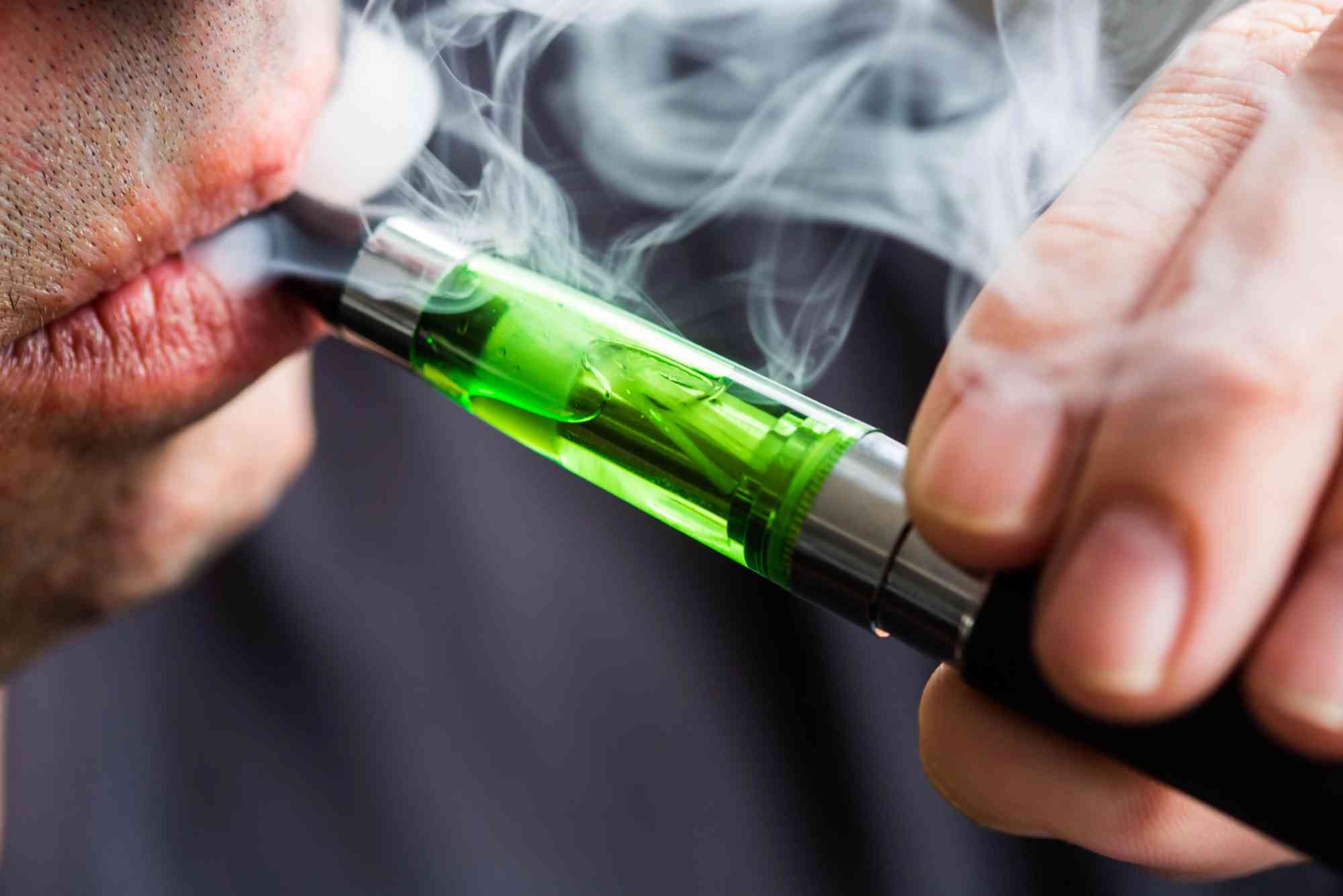
Electronic cigarettes have reshaped how people consume nicotine. But as their popularity rises, so do questions about legality. Whether you’re a long-time vaper or just curious, understanding electronic cigarette laws is essential to avoid penalties, protect your health, and stay compliant. This guide explores everything you need to know about vaping laws—globally and locally—so you can make informed decisions.
Why Understanding Electronic Cigarette Laws Matters
Navigating the Legal Maze
Vaping regulations vary dramatically between countries, states, and even cities. A device or e-liquid legal in one place could be banned in another. By knowing the electronic cigarette laws that apply to your location or travel destination, you avoid fines and legal complications.
Protecting Public Health
Governments enforce these laws to protect public health, especially among youth. That’s why laws often cover packaging, nicotine levels, and where you can vape. Staying informed helps you vape responsibly while respecting community health standards.
Global Overview of Electronic Cigarette Laws
While laws differ, most countries fall into three main categories when it comes to regulating e-cigarettes.
Countries with Strict Bans
Some nations, like Thailand and Singapore, ban the sale and possession of vaping products entirely. Even tourists can face severe penalties, including jail time. Always check local laws before traveling.
Countries with Partial Regulation
In places like the United States, Canada, and Australia, vaping is legal but highly regulated. Age limits, nicotine restrictions, and public use bans are common.

Countries with Legalized Vaping
The United Kingdom takes a harm-reduction approach. Vaping is legal and encouraged as a smoking cessation tool. However, devices and liquids must meet safety standards and labeling requirements.
Key Aspects of Electronic Cigarette Laws
Age Restrictions
Most regions restrict the sale of electronic cigarettes to adults aged 18 or older. In the U.S., the minimum age is 21. Retailers must verify age before selling vaping products, and failure to comply often leads to heavy fines.
Product Regulations
Governments regulate how vaping products are manufactured, marketed, and sold. Common rules include:
- Limiting nicotine strength (e.g., max 20 mg/ml in the EU)
- Childproof packaging
- Ingredient disclosure
- Product registration
Taxation
Many countries tax vaping products like traditional tobacco. This includes sales tax, import duties, and excise taxes. These taxes can significantly impact retail prices.
Vaping in Public Spaces
Like smoking, vaping is often banned in public areas such as airports, restaurants, schools, and public transport. These restrictions aim to prevent secondhand exposure and normalize smoke-free spaces.
How Electronic Cigarette Laws Are Changing in 2025
Crackdowns on Youth Vaping
Many countries are tightening regulations to curb youth vaping. This includes banning flavored products, restricting online sales, and increasing enforcement against underage purchases.
Emphasis on Quality and Safety
New laws are focusing on device safety standards to reduce the risk of explosions or battery failures. This includes mandatory testing and recall procedures.
Stricter Marketing Rules
Advertising restrictions now target influencer promotions, flashy packaging, and misleading health claims. Marketing to minors is a particular concern, prompting governments to act swiftly.
Common Legal Risks Vapers Face
Traveling with Vape Devices
Carrying your vape across borders can lead to confiscation—or worse—criminal charges. Always check the rules of your destination and any layover countries.
Buying from Unlicensed Sellers
Purchasing from non-authorized sellers may mean your products don’t comply with local laws. This could result in fines or being sold counterfeit goods that pose health risks.
Vaping in Prohibited Areas
Ignorance isn’t a valid defense. Vaping in restricted spaces, especially on planes or trains, can lead to fines or arrests.
How to Stay Compliant with Electronic Cigarette Laws
Do Your Research
Before buying a vape or traveling with one, check government websites or contact embassies. Rules can change quickly, and being up to date is the only safe approach.
Buy Only from Licensed Retailers
Stick to reputable shops and online stores that comply with local regulations. Look for verified product labels, proper packaging, and age verification at checkout.
Know Where You Can Vape
Observe local signs, ask when unsure, and respect no-vaping zones. If in doubt, assume vaping is not allowed until confirmed otherwise.
Be a Smart, Law-Abiding Vaper
Electronic cigarette laws are complex—but they exist to protect public health and guide responsible usage. Whether you’re new to vaping or a seasoned enthusiast, understanding these laws ensures you stay safe, legal, and informed.
Frequently Asked Questions (FAQs)
Are electronic cigarettes legal everywhere?
No. Some countries ban electronic cigarettes entirely, while others regulate their sale and use. Always check local laws.
What age do you have to be to buy a vape?
In most regions, the legal age is 18 or older. In the U.S., the minimum age is 21.
Can you travel internationally with a vape?
It depends on the country. Some nations allow travel with e-cigarettes; others, like Thailand, ban possession and may impose penalties.
Are flavored e-liquids banned?
In some regions, yes. Many countries restrict flavors to reduce youth appeal. Always check product availability in your area.
Can I vape in public places?
Often not. Many countries restrict vaping in indoor public spaces, transport hubs, and workplaces. Look for signs or ask.