
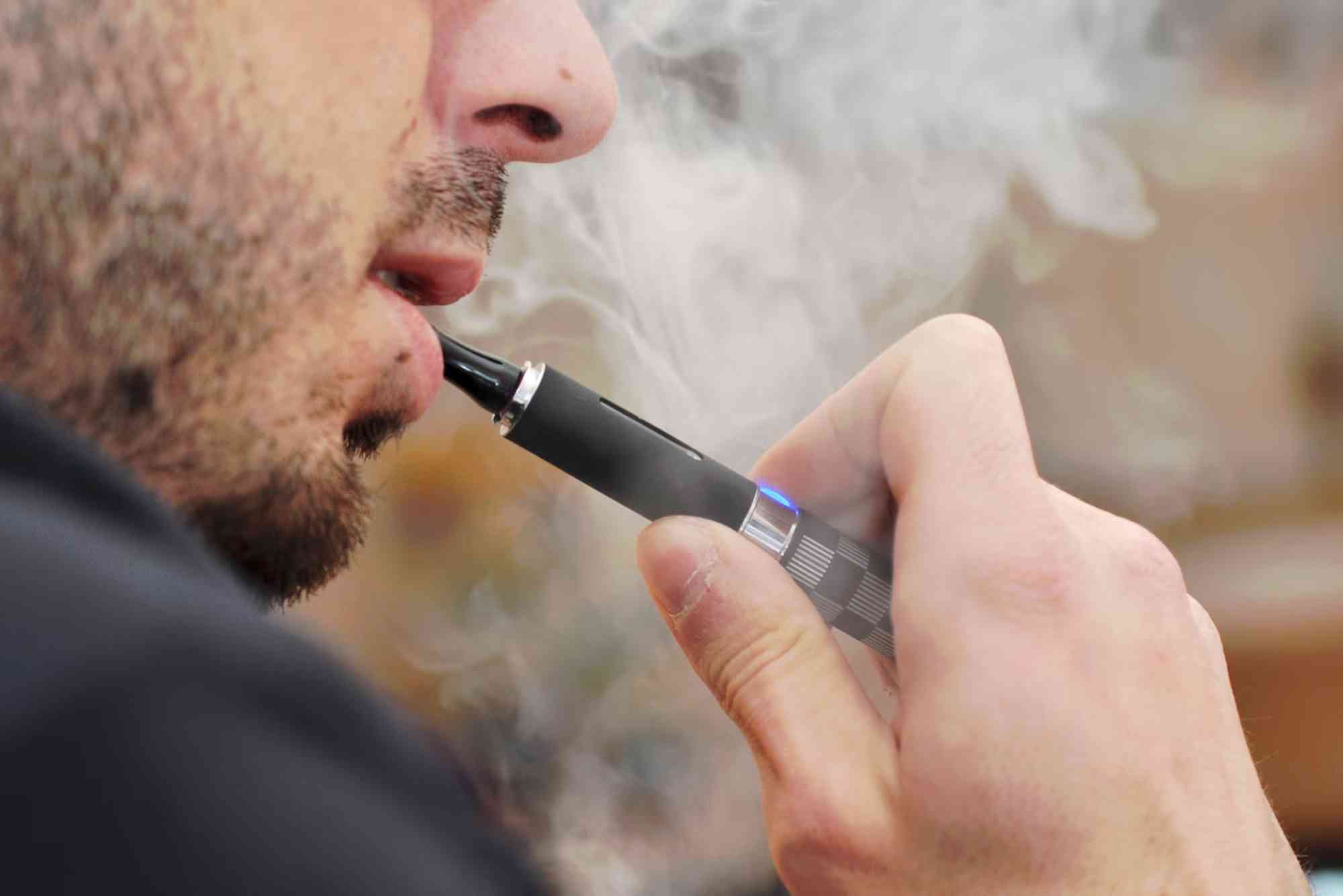
Vapes Law – What Vapers Should Know
Vaping laws are evolving rapidly worldwide as governments respond to growing popularity and public health debates. For vapers, understanding the latest vapes law is essential to avoid legal issues and to ensure responsible use. Regulations vary by country and even by city, covering everything from minimum age requirements to advertising bans, public vaping restrictions, and product safety standards.
Understanding the Basics of Vapes Law
Vapes law refers to legal rules governing the sale, purchase, possession, and use of e-cigarettes, vape pens, and other electronic nicotine delivery systems (ENDS). These laws are usually put in place to protect public health, especially among minors, and to regulate the growing vaping industry.
Most countries now have regulations that cover several main areas. These include minimum legal age to purchase vapes, restrictions on where vaping is allowed, labeling requirements, and rules on nicotine content. Understanding these basic principles can help you stay compliant wherever you are.
Age Restrictions Under Vapes Law
One of the most consistent features of vapes law worldwide is the minimum age requirement for purchasing vaping products. In many countries, the legal age is 18, while others, like the United States, set it at 21. The purpose of these laws is to reduce youth access to nicotine products and prevent early addiction.
Some regions also require sellers to verify the buyer’s age through ID checks. This rule applies to both physical stores and online purchases. Ignoring these requirements can lead to penalties for both the seller and the buyer.
Public Vaping Restrictions
Many countries treat vaping in public spaces similarly to smoking. This means you may be prohibited from using your vape in enclosed public places like restaurants, offices, or public transport. These rules exist to protect non-smokers and reduce exposure to aerosol emissions.

For example, the UK bans vaping in certain workplaces and transport systems, while Australia enforces state-specific restrictions. Always check local rules before vaping in public to avoid fines.
Sales and Marketing Regulations
Vapes law often includes strict regulations on advertising and marketing. In many places, it is illegal to market vaping products in a way that appeals to minors. This includes the use of cartoon characters, fruity flavors in ads, or colorful packaging targeting young audiences.
Some countries also restrict or ban vape product sponsorships and promotions. These marketing limitations are designed to prevent glamorizing vaping and to maintain responsible sales practices.
Packaging and Labeling Requirements
Safety is a major focus of vaping regulations. Many governments require manufacturers to include clear labeling on their products. Labels must show nicotine content, health warnings, and ingredient lists. Child-resistant packaging is also mandatory in most regions to prevent accidental ingestion.
Following these packaging rules is not just a legal requirement for sellers—it’s also important for consumer safety.
Nicotine Content Limits
Another common aspect of vapes law is the regulation of nicotine strength. For instance, the European Union limits e-liquid nicotine concentration to 20mg/ml. The aim is to reduce the risk of nicotine addiction and potential overdose.
These limits apply to both pre-filled pods and bottled e-liquids. As a consumer, always check the nicotine content before purchase to ensure it complies with local laws.
Online Sales Regulations
With the rise of e-commerce, many countries have extended vaping laws to cover online sales. This means sellers must follow the same age verification rules as physical stores and ensure that products are shipped in compliance with local laws.
Some countries, such as Australia, require a prescription to purchase nicotine vaping products, even online. Failure to meet these requirements can result in product confiscation or fines.
Penalties for Breaking Vapes Law
Violating vaping regulations can lead to serious consequences. Penalties vary depending on the jurisdiction but may include fines, confiscation of products, and even imprisonment for repeated offenses. For businesses, non-compliance can lead to license suspension or permanent bans on selling vaping products.
As a vaper, it’s important to familiarize yourself with local rules to avoid unintentional violations.
Why Vapes Law Is Important for Consumers
The primary purpose of vaping laws is to protect public health, especially for young people. By setting age limits, regulating nicotine content, and enforcing product safety standards, governments aim to balance harm reduction with prevention.
For consumers, understanding these laws means avoiding fines, protecting your health, and contributing to a responsible vaping culture.
How Vapes Law Differs Around the World
Vaping laws are not universal. What is legal in one country may be completely banned in another. For example, vaping is legal but regulated in the UK, while countries like Singapore and Thailand have outright bans on the sale and import of vaping products.
In the United States, laws vary by state. Some states impose extra taxes, flavor bans, or stricter age requirements. Always research local rules before traveling with your vape.
Tips for Staying Compliant with Vapes Law
To avoid legal trouble, always keep the following tips in mind:
- Check local laws before buying or using vape products.
- Carry ID when purchasing e-cigarettes to prove your age.
- Respect public vaping bans to avoid fines.
- Buy from licensed sellers to ensure product safety.
- Stay informed about changes in vaping laws, as they can change quickly.
The Future of Vapes Law
As vaping continues to evolve, so will its regulations. Many experts predict stricter controls on flavors, marketing, and nicotine limits. Others anticipate increased taxes on vaping products to reduce youth uptake and generate public health funding.
Technological advances, such as smart vaping devices with age verification, may also influence future regulations. Staying updated on these changes will be essential for every vaper.
Be an Informed and Responsible Vaper
Vaping laws are designed to protect public health and regulate an expanding industry. Whether you are buying, using, or selling vape products, knowing the vapes law in your area is essential to avoid legal trouble. These regulations cover everything from age limits and nicotine content to public vaping rules and packaging requirements.
As vaping technology grows and regulations evolve, staying informed will ensure that you remain compliant and responsible. Remember, being a knowledgeable vaper not only protects you from fines but also contributes to a safer community. If you’re unsure about local regulations, check your government’s health department website or trusted vaping associations for up-to-date information. By following the law, you can enjoy vaping safely and legally.
FAQ
What is the legal age to buy vapes?
Most countries set the legal age at 18, but in the US it is 21. Always check local laws.
Can you vape in public places?
In many countries, public vaping is banned in enclosed spaces. Rules vary by location.
Are flavored vapes legal?
Some countries ban certain flavors to discourage youth vaping. Others allow them with restrictions.
Can I travel with my vape internationally?
Yes, but you must follow the vaping laws of your destination. Some countries ban them entirely.
Do I need a prescription to buy vapes?
In certain countries like Australia, a prescription is required for nicotine vaping products.
Are online vape sales legal?
They are legal in many places but require age verification and compliance with local shipping rules.