Battery Safety & Vape Liquid UK Law: What Vapers Need to Know
Vaping has become a popular alternative to smoking in the UK, but with its rise in popularity comes a need for strict regulations to ensure consumer safety. Understanding the legal framework surrounding vape liquids and the importance of battery safety is crucial for all vapers. This article explores vape liquid UK law and provides essential battery safety guidelines.
Understanding Vape Liquid UK Law
The UK has implemented comprehensive regulations to govern the sale and use of vape liquids, primarily under the Tobacco and Related Products Regulations 2016 (TRPR). These laws aim to ensure product safety, quality, and to prevent access to minors.
E-Liquid Capacity and Nicotine Strength
According to TRPR, vape liquids must adhere to specific limits:
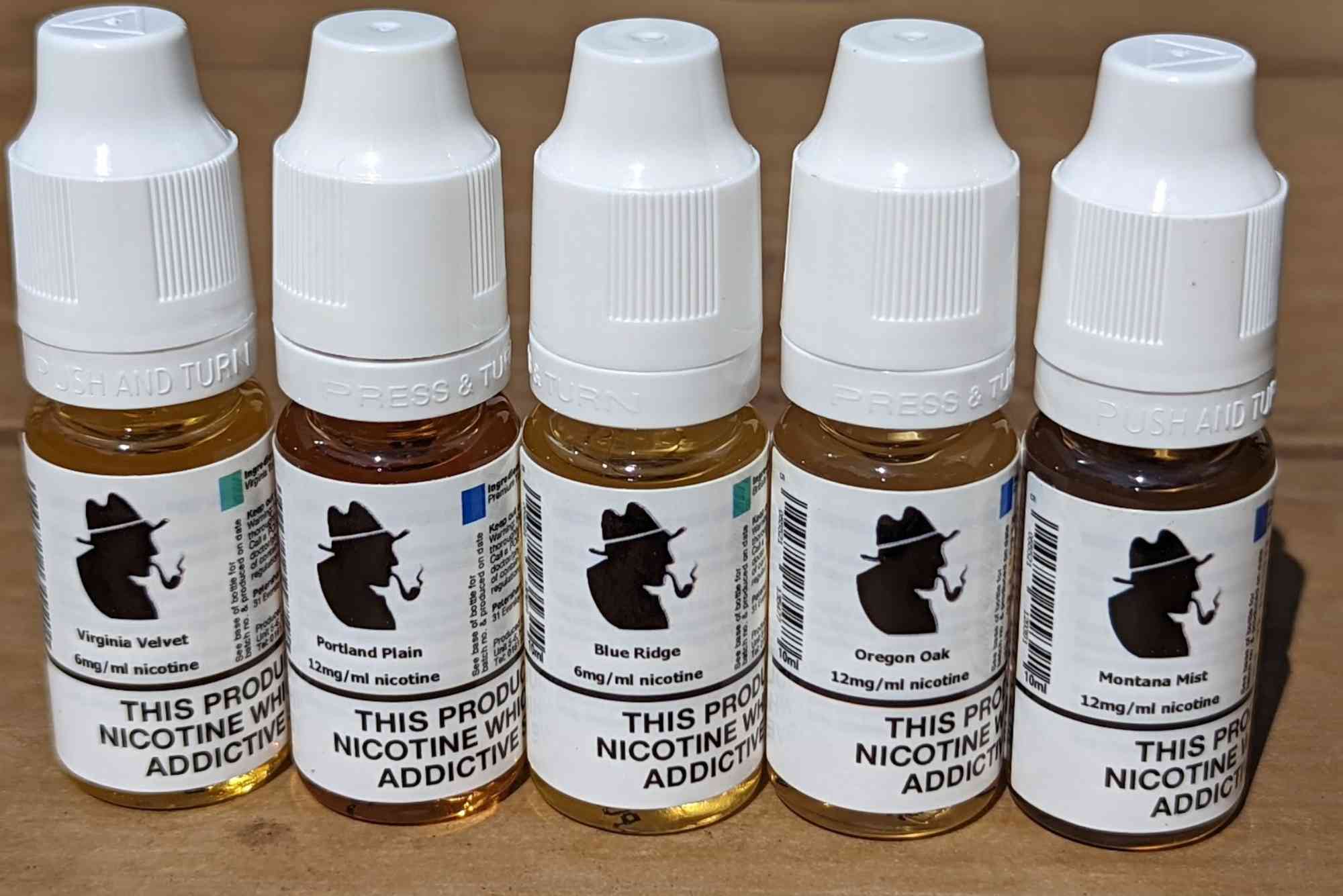
- Maximum Volume: E-liquids can contain no more than 10ml per bottle.
- Nicotine Strength: The nicotine concentration is capped at 20mg/ml.
These restrictions are designed to reduce the risk of nicotine poisoning and to standardize product offerings across the market.
Packaging Requirements
To enhance safety, all vape liquids must:
- Child-Resistant Packaging: Ensure that packaging is child-resistant to prevent accidental ingestion.
- Tamper-Evident Seals: Include seals that indicate if the product has been tampered with.
- Health Warnings: Display clear health warnings on the packaging to inform users of potential risks.
These measures protect consumers, particularly children, from potential harm.

Ingredient Restrictions
Certain ingredients are prohibited in vape liquids to safeguard health:
- Banned Substances: Ingredients like caffeine, taurine, and colorings are not permitted.
- Quality Control: Manufacturers must ensure that all ingredients meet safety standards before inclusion in products.
Notification and Compliance
Before being sold, all nicotine-containing vape products must be notified to the Medicines and Healthcare products Regulatory Agency (MHRA). This process ensures that products meet safety and quality standards and comply with UK regulations.
Battery Safety: Essential Guidelines for Vapers
While understanding vape liquid laws is vital, ensuring battery safety is equally important to prevent accidents and injuries.
Use Reputable Devices and Batteries
Opt for devices and batteries from reputable manufacturers. Counterfeit or substandard products may not meet safety standards and can pose significant risks.
Avoid Extreme Temperatures
Exposure to high temperatures can cause batteries to overheat and potentially lead to fires. Always store and use your vaping device in a cool, dry place, away from direct sunlight and heat sources.
Use the Correct Charger
Always use the charger that came with your device or one recommended by the manufacturer. Using incompatible chargers can lead to overcharging, overheating, and battery damage.
Do Not Overcharge
Avoid leaving your device plugged in once it is fully charged. Overcharging can degrade battery life and increase the risk of overheating.
Inspect Batteries Regularly
Check your batteries for any signs of damage, leakage, or corrosion. Damaged batteries should be disposed of properly and replaced immediately to ensure safety.
Proper Disposal of Batteries
Never dispose of batteries in regular household waste. They should be recycled at designated facilities to prevent environmental harm and reduce fire risks.
Recent Developments in UK Vaping Regulations
The UK government has introduced new measures to address concerns related to vaping, particularly among youth and environmental impacts.
Ban on Disposable Vapes
Starting June 1, 2025, disposable vapes will be banned in the UK. This decision aims to reduce youth access to vaping products and address environmental concerns associated with single-use devices.
Minimum Pricing for Vape Kits
A proposed minimum price of £30 for vape kits and accessories is under consideration. This measure seeks to deter underage purchasing and ensure that vaping remains a viable smoking cessation tool for adults.
Restrictions on Prefilled Pod Kits
The sale of prefilled pod kits is also being scrutinized, with potential restrictions to limit their availability and appeal to minors.
Navigating the landscape of vape liquid UK law and adhering to battery safety guidelines are essential for a safe and compliant vaping experience. By staying informed and following best practices, vapers can enjoy their devices responsibly and contribute to a safer community.
FAQs
Q: What is the legal nicotine strength for vape liquids in the UK?
A: The maximum nicotine strength allowed for vape liquids in the UK is 20mg/ml, according to the Tobacco and Related Products Regulations 2016.
Q: Can I use any charger for my vape device?
A: No, always use the charger provided with your device or one recommended by the manufacturer to ensure safety and prevent potential hazards.
Q: Are disposable vapes still legal in the UK?
A: No, disposable vapes will be banned in the UK starting June 1, 2025, as part of efforts to reduce youth access and environmental impact.
Q: How should I dispose of old vape batteries?
A: Old vape batteries should never be thrown in regular household waste. They should be recycled at designated facilities to prevent environmental harm and reduce fire risks.
Q: What should I do if my vape battery is damaged?
A: If your vape battery is damaged, leaking, or showing signs of wear, dispose of it properly and replace it immediately to ensure safety.
Q: Are there any restrictions on vape liquid ingredients in the UK?
A: Yes, certain ingredients like caffeine, taurine, and colorings are banned in vape liquids sold in the UK to ensure consumer safety.
Q: How can I ensure my vape products are compliant with UK regulations?
A: Purchase vape products from reputable retailers, check for proper labeling and packaging, and ensure they are notified to the MHRA before sale.
Q: What are the penalties for selling non-compliant vape products in the UK?
A: Selling non-compliant vape products can result in fines, product recalls, and potential legal action under UK trading standards laws.
Q: Can I travel with my vape device within the UK?
A: Yes, but ensure your device is protected from accidental activation and that any spare batteries are stored safely to comply with travel regulations.
Q: Where can I find more information on UK vaping laws?
A: Refer to official government resources or consult reputable vaping advocacy organizations.