
Canada Vape Laws 2018 – What Vapers Should Know
Vaping has grown into a global phenomenon, and Canada is no exception. As vaping products became more popular, regulators in Canada had to act quickly to establish clear rules. By 2018, new laws reshaped how Canadians could buy, sell, and use vape devices and e-liquids. Understanding the Canada vape laws 2018 is essential for both local vapers and visitors who plan to bring their vaping gear into the country. These laws balanced public health concerns with consumer choice, creating a framework that still influences vaping in Canada today.
The Birth of Vape Regulations in Canada
Until 2018, vaping existed in something of a gray area in Canadian law. While e-cigarettes and e-liquids were widely available in shops and online, there was little official guidance. This changed with the Tobacco and Vaping Products Act (TVPA), which came into force in May 2018. This act created the first comprehensive set of rules for vaping nationwide.
The TVPA recognized vaping products as distinct from traditional tobacco, but it also introduced restrictions to prevent youth access and ensure product safety. For the first time, there was a clear legal difference between smoking combustible cigarettes and using vape devices, although many of the restrictions were similar.
Key Rules in Canada Vape Laws 2018
The Canada vape laws 2018 were designed to regulate everything from product manufacturing to advertising and sales. Some of the most important rules included age restrictions, packaging standards, advertising limits, and rules around cross-border sales.
Age Restrictions for Vaping
One of the most significant changes was the introduction of an age limit. The TVPA set the legal age for purchasing vaping products at 18 years old, although many provinces chose to increase this to 19. This was consistent with existing tobacco laws and aimed at preventing youth from picking up vaping too early.
Retailers were required to check identification before selling vape products, whether in-store or online. Failing to comply could result in fines or loss of business licenses.

Advertising and Promotion
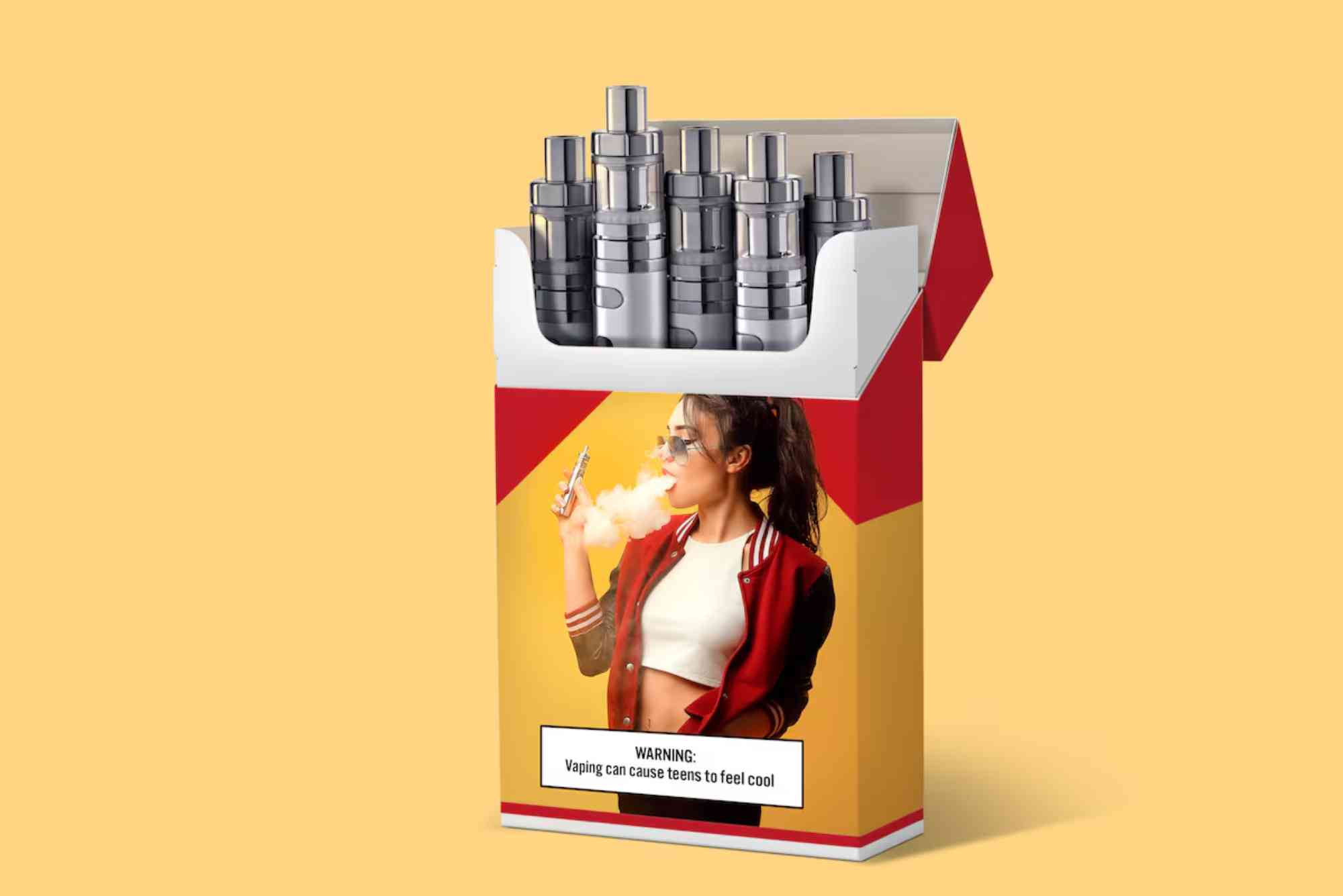
Another major focus of Canada vape laws 2018 was advertising. Companies were no longer allowed to promote vaping products in ways that could appeal to minors. This meant restrictions on colorful packaging, lifestyle imagery, or sponsorship of events where young people were present.
Health claims were also tightly controlled. Brands could not advertise vaping as a “safe alternative to smoking” without scientific evidence approved by Health Canada. Instead, marketing had to focus on the product itself, such as flavor or device type, without suggesting health benefits.
Packaging and Labeling Standards
To protect consumers, the TVPA required clear labeling on all vape products. Packaging had to include health warnings similar to cigarette packs, such as the addictive nature of nicotine.
Child-resistant packaging became mandatory to prevent accidental ingestion of e-liquids, which can be harmful if swallowed. This move aligned vaping with other consumer safety practices, particularly for households with children.
Cross-Border Sales and Imports
Another crucial aspect of Canada vape laws 2018 was the regulation of imports and online sales. While Canadians could order vaping products online, retailers had to verify the buyer’s age. Cross-border shipping was also restricted, with certain flavored products facing tighter controls.
Travelers entering Canada were allowed to bring vaping devices and e-liquids for personal use, but large quantities raised suspicion of commercial intent and could be seized at customs.
The Impact on Canadian Vapers
For regular vapers, the 2018 laws brought both clarity and limitations. On one hand, the new framework made vaping products more standardized and safer to use. On the other, restrictions on flavors, advertising, and online shopping reduced some of the freedom vapers had previously enjoyed.
Many vape shops had to adapt quickly, ensuring they complied with packaging rules and sales verification. Online retailers introduced age-gating systems to prevent underage access. For consumers, these changes meant more transparency about what they were buying, though some felt frustrated by the reduced availability of certain products.
Provincial Variations
While the TVPA set the foundation, provinces and territories retained the power to introduce stricter rules. This led to significant differences across Canada.
Some provinces, like Ontario and British Columbia, raised the minimum age to 19. Others, like Nova Scotia, went further by banning certain flavored products, arguing they appealed too much to youth. In Quebec, rules around advertising were even stricter, with displays of vape products hidden from public view in stores.
These provincial variations meant that vapers had to be careful when moving between provinces, as what was legal in one place might be restricted in another.
Health Concerns and Public Debate
The introduction of Canada vape laws 2018 sparked ongoing debates about the health impacts of vaping. Public health experts welcomed the restrictions, particularly those aimed at protecting young people. However, many harm reduction advocates argued that vaping was a safer alternative to smoking and should not be as tightly regulated.
This tension between harm reduction and youth prevention has continued to shape vaping policy in Canada. By drawing a line in 2018, lawmakers created a framework that could evolve as more scientific evidence became available.
What Travelers Should Know
Visitors to Canada in 2018 also needed to pay attention to the new rules. Bringing vape devices into the country for personal use was generally allowed, but travelers had to respect local laws. Vaping was prohibited in many public spaces, including airplanes, buses, and certain indoor areas.
Hotels, restaurants, and bars often set their own rules, and vapers were advised to check before using their devices indoors. Penalties for breaking these rules varied but could include fines.
FAQs
Is vaping legal in Canada?
Yes, vaping is legal in Canada, but it has been regulated under the Tobacco and Vaping Products Act since 2018.
What is the legal age for buying vapes in Canada?
The federal law set the minimum age at 18, but most provinces raised it to 19.
Can I bring my vape to Canada?
Travelers can bring vapes for personal use, but commercial quantities may be confiscated.
Were flavored e-liquids banned in 2018?
Not entirely. While flavors were allowed federally, some provinces restricted or banned them to reduce youth appeal.
Can vape companies advertise their products in Canada?
Advertising is heavily restricted. Companies cannot use youth-friendly designs or make unproven health claims.
Navigating Canada’s Vape Laws
The Canada vape laws 2018 marked a turning point in how vaping was treated across the country. By introducing the Tobacco and Vaping Products Act, Canada created a structured framework that balanced consumer freedom with public health priorities. For vapers, this meant safer, more standardized products but also tighter restrictions on advertising, flavors, and sales.