
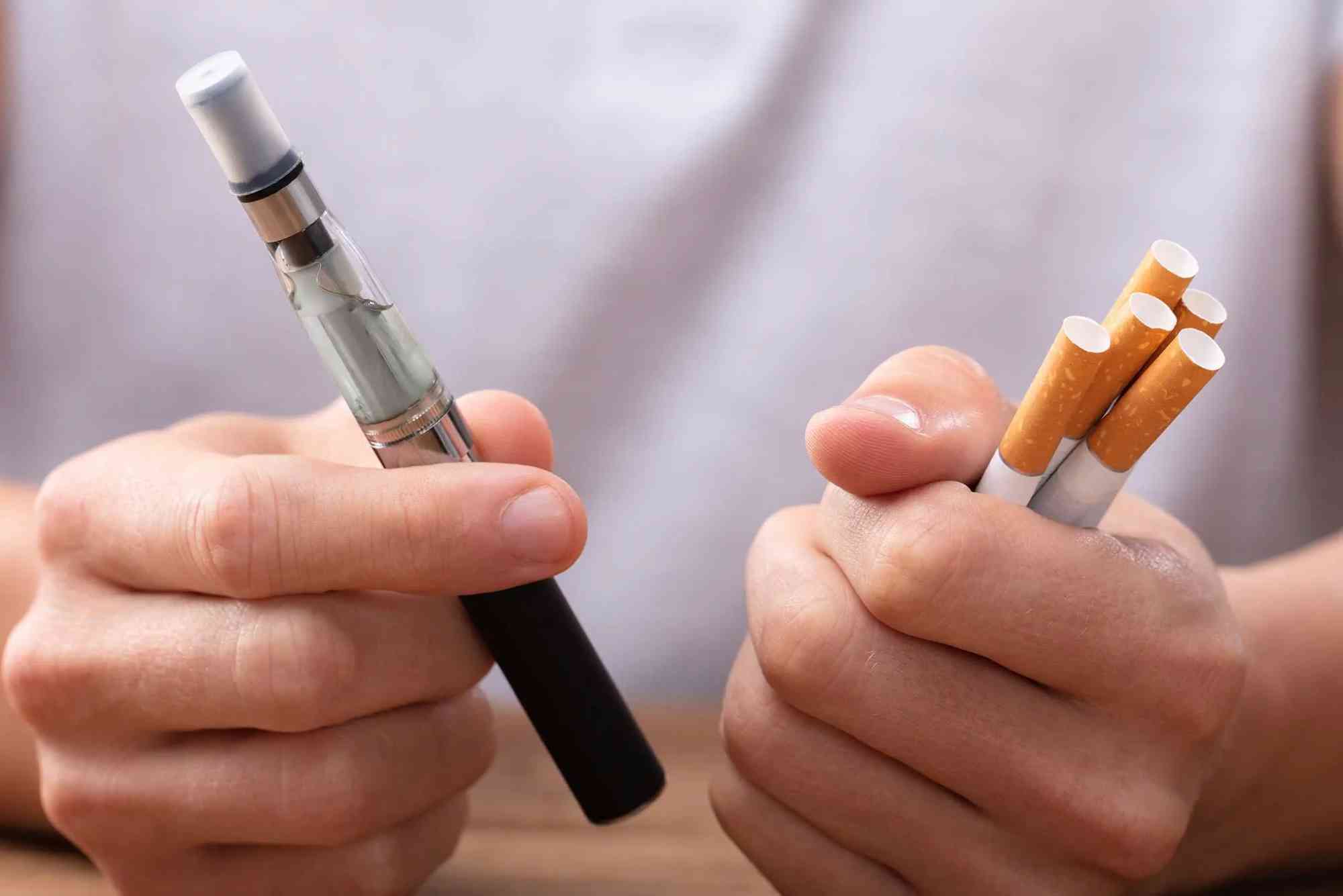
Law No Smoke Vape – What Vapers Should Know
Vaping has become a global trend, but laws continue to evolve. The phrase law no smoke vape refers to regulations that limit or prohibit vaping in specific areas. Just as smoking bans were introduced for public health, similar measures now apply to e-cigarettes. Understanding these rules helps vapers stay compliant and avoid penalties.
What Does “Law No Smoke Vape” Mean?
The term highlights laws restricting where people can vape. Governments classify vaping under smoke-free legislation, meaning that even without traditional smoke, vapor is treated similarly. These laws vary by country, but the goal is consistent: to protect non-vapers from exposure.
Why Vaping Falls Under Smoke-Free Rules
Vapes do not produce smoke, but they emit aerosols with chemicals. Public health experts argue these can impact indoor air quality. Because of this, many authorities treat vaping like smoking when drafting restrictions.
Common Places Where Vaping Is Restricted
- Public transport, including buses and trains
- Restaurants, bars, and cafes
- Hospitals and healthcare facilities
- Schools and universities
- Government offices and workplaces
Law No Smoke Vape: Global Regulations
United States
In the U.S., regulations differ by state. Some states completely ban vaping in indoor public spaces. Others only impose restrictions in certain areas like schools and hospitals. For example, New York and California classify vaping under their smoke-free laws.
United Kingdom
The UK does not have a nationwide ban. Instead, local authorities and private businesses decide their own rules. However, vaping is typically restricted in public transport and workplaces.
European Union
The EU regulates nicotine-containing e-liquids under the Tobacco Products Directive. While countries like France and Germany ban vaping in enclosed public places, others adopt less strict measures.

Middle East and Asia
Several Gulf countries restrict vaping heavily. In nations like the UAE, vaping is permitted but highly regulated. Meanwhile, countries like Thailand and Singapore enforce strict bans on both sales and use.
Why Governments Enforce “Law No Smoke Vape”
Public Health Concerns
Health agencies worry about secondhand vapor exposure. Though less harmful than smoke, studies suggest that aerosols can contain nicotine, heavy metals, and ultrafine particles.
Protecting Youth
Teen vaping has risen globally. Laws seek to limit visibility and accessibility to prevent young people from adopting the habit.
Standardizing Indoor Air Quality
By including vapes in smoke-free laws, governments simplify enforcement. It prevents confusion between smokers and vapers in restricted areas.
Law No Smoke Vape and Public Health
Health Risks of Vaping
While vaping is often marketed as safer than smoking, it is not risk-free. Research shows links between vaping and respiratory irritation, increased heart rate, and potential long-term effects on lung health.
Comparing Smoke vs. Vapor
Cigarette smoke contains thousands of harmful chemicals. Vapor has fewer, but still includes nicotine and toxins. Public health experts argue that the precautionary principle should apply.
What Vapers Should Do to Stay Compliant
Check Local Regulations
Before vaping, check your city or country’s guidelines. Laws change often, so staying updated prevents fines.
Respect No-Vape Zones
Even if vaping feels harmless, respect rules in public areas. It shows consideration for non-vapers and helps reduce stigma.
Use Designated Areas
Some cities provide outdoor spaces for vaping. Using these helps balance personal freedom with community health.
FAQs on Law No Smoke Vape
Is vaping banned everywhere smoking is banned?
In many regions, yes. However, some areas allow vaping in places where smoking is banned. Always check local rules.
Can you vape indoors legally?
It depends on the country and venue. Many businesses prohibit indoor vaping, even if national law does not.
Is vaping in cars illegal?
Some countries ban vaping in vehicles when children are present. This rule mirrors smoking restrictions for child safety.
Are penalties the same as for smoking?
In most places, yes. Violating no-vape laws can result in fines similar to smoking violations.
The Future of Vaping Laws
Experts predict stricter laws in coming years. As more research emerges, governments may expand no-vape zones or tighten sales rules. Vapers should expect ongoing changes and adapt responsibly.
Stay Informed About Law No Smoke Vape
The law no smoke vape movement is growing worldwide. While rules differ, the trend is clear: vaping is increasingly treated like smoking. For vapers, compliance is not only about avoiding fines—it is about respecting public health.
Staying informed about new regulations ensures that you vape responsibly. If you want to continue enjoying vaping without legal issues, always check local updates and respect no-vape zones.
Stay educated on vaping laws in your region. Share this article with fellow vapers so everyone understands the latest law no smoke vape rules.