
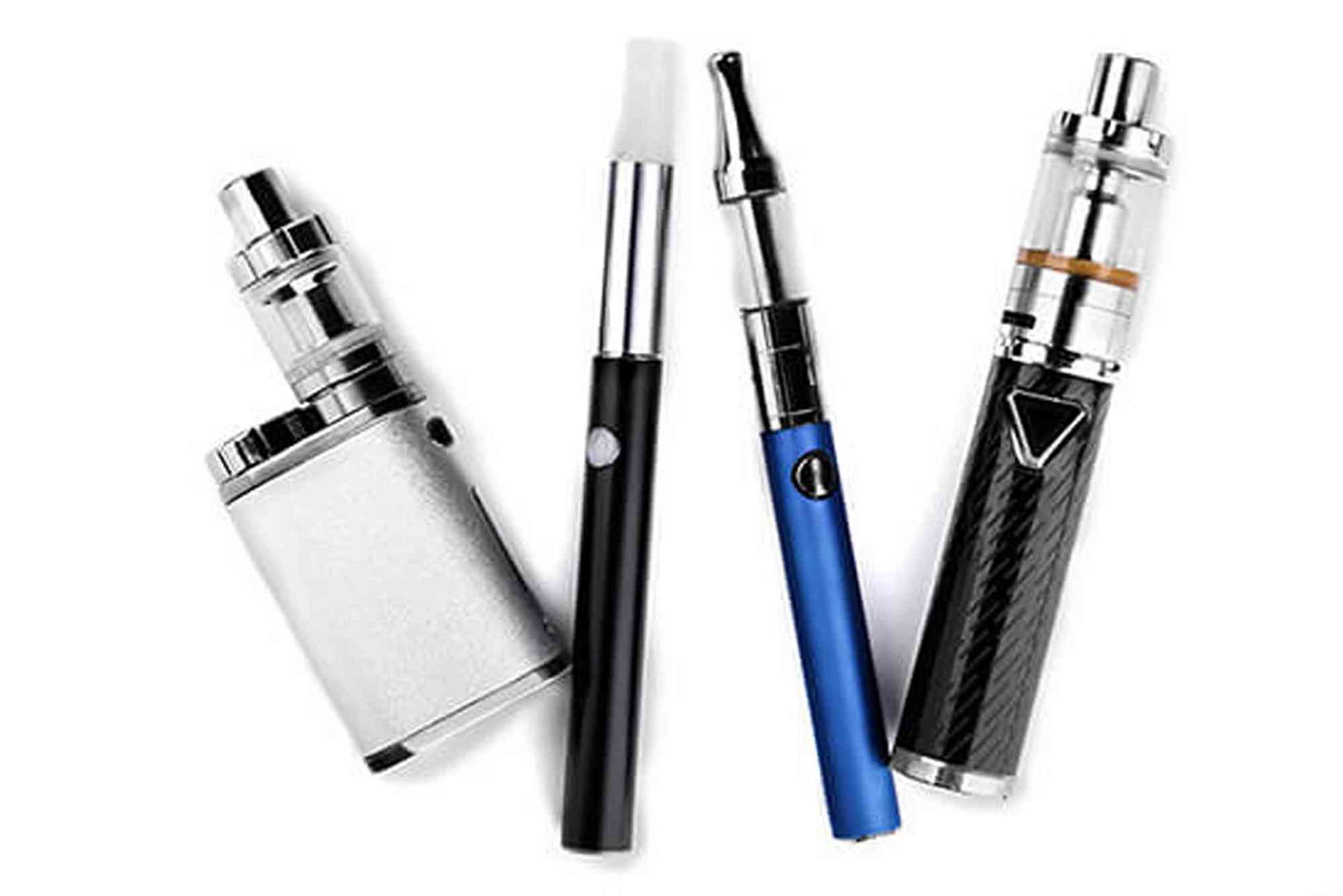
Battery Safety & Vaping in UK Law: What Vapers Need to Know
Vaping has become one of the most popular alternatives to smoking in the UK. While millions of people use e-cigarettes daily, questions about safety, regulations, and legal use continue to arise. One of the most important but often overlooked aspects of vaping is battery safety. Combine that with the ever-changing framework of vaping in UK law, and vapers need clear guidance to stay both safe and compliant.
Understanding Vaping in UK Law
The UK government regulates vaping under a framework designed to protect public health. Unlike in some countries where vaping is banned, the UK has taken a more supportive stance, encouraging smokers to switch to e-cigarettes as a less harmful alternative. However, vaping in UK law is not unregulated.
Legal Age Restrictions
Under UK law, you must be at least 18 years old to purchase or use vaping products. Retailers are legally required to check identification, and selling to minors can lead to heavy fines or loss of license.
Nicotine Content and Packaging Rules
The Tobacco and Related Products Regulations (TRPR) enforce strict rules on nicotine content. E-liquids cannot exceed 20 mg/ml of nicotine strength. Refillable tanks are restricted to a maximum capacity of 2 ml. Packaging must include health warnings and child-resistant designs.
Advertising and Promotion Restrictions
Vaping products cannot be advertised on television, radio, or most print media in the UK. Online promotion is also limited. The law ensures that marketing does not target young people or encourage non-smokers to start vaping.
Public Use and Workplace Policies
While vaping is not covered by the nationwide smoking ban, employers, public transport providers, and private businesses can set their own rules. Some workplaces allow vaping in designated areas, while others prohibit it entirely. Always check the policies before using your device.

Why Battery Safety Matters for Vapers
Most modern e-cigarettes use lithium-ion batteries, which are powerful and compact. These batteries provide the energy needed to heat the coil and produce vapor. However, they can also pose risks if misused or poorly maintained. Reports of vape devices overheating or even exploding are rare but often linked to unsafe battery handling.
Common Risks of Vape Batteries
- Overcharging or using incompatible chargers can cause overheating.
- Carrying loose batteries in pockets with coins or keys can trigger short circuits.
- Using damaged or cheap batteries increases the chance of failure.
- Storing batteries in extreme heat or cold reduces their lifespan and safety.
Real-World Consequences
Although the risk is low, incidents of vape battery accidents have been reported in the UK. In almost every case, improper handling was a key factor. For example, using the wrong charger or failing to store batteries properly led to overheating or fires. Understanding these risks helps prevent accidents.
Best Practices for Battery Safety
Ensuring battery safety is not complicated but requires consistent care and awareness.
Choose the Right Batteries
Always buy batteries from reputable suppliers. Avoid counterfeit or unbranded options, as these often lack essential safety features. Look for batteries that are specifically designed for vaping devices, with clear labeling and manufacturer information.
Use the Correct Charger
Not all chargers are created equal. Using a charger that delivers the wrong voltage or current can stress the battery. Stick to the charger recommended by your device manufacturer, and avoid using damaged cables.
Handle Batteries with Care
When transporting spare batteries, never leave them loose in your pocket or bag. Use protective cases to prevent contact with metal objects. Even a short contact with keys or coins can cause a dangerous short circuit.
Watch for Signs of Damage
If your battery casing is torn, dented, or swollen, stop using it immediately. Damaged batteries are unstable and should be safely recycled at designated collection points.
Store Batteries Safely
Keep your vape and spare batteries away from extreme heat or cold. Do not leave devices in cars on hot days, and avoid direct sunlight. Store them in a cool, dry place.
The Intersection of Vaping in UK Law and Battery Safety
UK law emphasizes consumer safety not only through nicotine and packaging regulations but also indirectly by enforcing product standards. All vaping devices sold legally in the UK must meet quality control requirements, including electrical safety. This means that when you buy from reputable retailers, you are already protected by strict laws.
However, safety is also the user’s responsibility. No law can prevent misuse, such as charging a battery overnight with the wrong adapter. Understanding your role in safe usage complements the legal framework, ensuring both compliance and protection.
Vaping in Public: What the Law Allows
Many vapers are unsure about where they can legally use their devices. Unlike smoking, vaping is not completely banned in public indoor spaces, but rules vary depending on location.
Public Transport
Most trains, buses, and airlines in the UK prohibit vaping. The ban is not due to second-hand vapor but because of potential confusion with smoking and passenger comfort.
Restaurants and Pubs
Policies differ from one venue to another. Some pubs allow vaping indoors, while many restaurants do not. Always check signage or ask staff before using your vape.
Workplaces
Employers have the legal right to restrict vaping in the workplace. Some provide designated areas, while others require employees to go outside, similar to smoking rules.
The Future of Vaping in UK Law
The legal landscape for vaping continues to evolve. With growing scientific evidence about vaping’s role in smoking cessation, the government remains supportive but cautious. Future changes may include stricter advertising rules, updated packaging requirements, or further limits on flavored e-liquids.
Battery safety may also see new standards introduced, as regulators push for even safer devices. International developments could influence UK policy, especially as the European Union updates its directives.
Safe and Legal Vaping in the UK
Vaping in UK law provides a structured, supportive framework for adult smokers looking for an alternative. By following regulations on nicotine strength, packaging, and sales, the UK has created one of the most balanced vaping policies worldwide. However, laws alone cannot guarantee safety.
Battery care is equally crucial. Choosing the right batteries, handling them properly, and following charging guidelines reduce risks significantly. As vaping continues to grow in popularity, combining legal compliance with safe practices ensures the best experience. If you are a vaper, make sure you understand both your rights and responsibilities. Stay informed about vaping in UK law, follow safe battery practices, and always buy from reputable sources. Doing so protects not only your health but also your peace of mind.
Frequently Asked Questions
Is vaping legal in the UK in 2025?
Yes, vaping remains legal in the UK. However, only adults over 18 can buy or use e-cigarettes. Products must meet TRPR standards.
Can you vape indoors in the UK?
There is no blanket law banning indoor vaping. Individual businesses and workplaces set their own policies.
Are vape batteries safe to use?
Yes, when used correctly. Most accidents occur due to misuse, such as using the wrong charger or carrying loose batteries.
What happens if you sell vapes to someone under 18?
Retailers face heavy fines and potential loss of license. The law strictly prohibits underage sales.
Do UK laws restrict vape flavors?
Currently, most flavors remain legal. However, regulations may change in the future, especially if concerns about youth vaping rise.
Can I bring my vape on a flight in the UK?
Yes, but only in hand luggage. Spare batteries must also be carried in protective cases, not checked baggage.