
Introduction
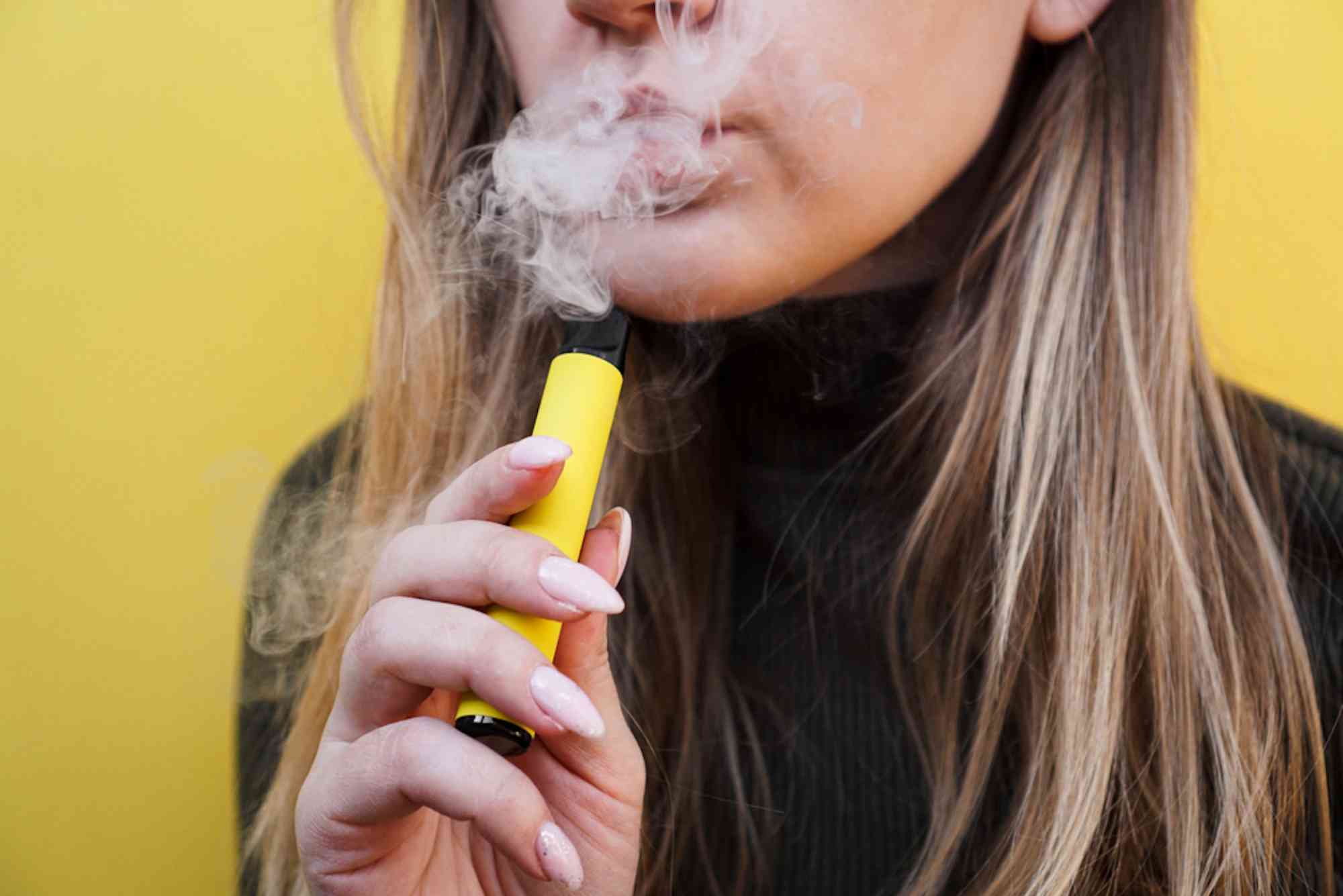
The growing popularity of vaping has sparked important discussions around health, safety, and law. While some see vaping as a less harmful alternative to smoking, schools and lawmakers across Pennsylvania have taken a clear stance: vaping is illegal in PA schools. Students, parents, and even adult vapers need to understand the full scope of this restriction. Beyond legal concerns, battery safety remains one of the most overlooked aspects of vaping. Many accidents tied to vape devices are linked not to the e-liquids themselves but to poorly handled batteries. This article explores both sides of the issue, explaining why vaping is banned in Pennsylvania schools, what penalties exist, and how battery safety plays a crucial role in the conversation.
Understanding Why Vaping is Illegal in PA Schools
Pennsylvania has taken steps to regulate vaping in the same way as cigarettes. Schools are seen as no-smoking zones, and vaping falls under that category. For minors, the possession and use of vaping products are already restricted by state law. Extending that restriction to schools is both a matter of student health and campus safety. Administrators aim to discourage early nicotine addiction and maintain a safe environment where students are not exposed to secondhand vapor or influenced by peers to begin vaping. The law is clear: vaping devices, whether disposable or rechargeable, are not permitted on school grounds.
Health Risks That Support the Ban
The decision to make vaping illegal in PA schools is not only legal but also health-driven. Studies have shown that teenagers who vape are more likely to become addicted to nicotine and may transition to traditional cigarettes later. Vaping liquids often contain high nicotine levels, which can impact brain development in adolescents. The Centers for Disease Control and Prevention has also warned about lung injuries associated with vaping, especially when products come from unregulated sources. Schools want to remove any opportunity for students to access or experiment with these devices on campus.
Battery Safety Concerns in Vape Devices
While most public discussions focus on nicotine and flavors, battery safety is another urgent issue. Vape devices use lithium-ion batteries, the same type found in smartphones and laptops. However, these batteries can become dangerous if not handled correctly. There have been multiple reports nationwide of vape pens exploding or catching fire, sometimes in pockets or backpacks. The combination of a school environment, where students may store devices improperly, and the risks associated with lithium-ion batteries adds another reason why vaping is illegal in PA schools.
Common Causes of Battery Accidents
Battery incidents usually occur due to overheating, overcharging, or physical damage. For example, carrying a vape device with keys or coins can create a short circuit. Using low-quality chargers or leaving devices plugged in overnight may also lead to overheating. Students are less likely to understand these risks, which can result in preventable accidents. In a school setting, the presence of lithium-ion batteries in vape devices poses both a fire hazard and a personal safety risk.
Proper Battery Handling for Vapers
Although vaping is prohibited in schools, adult vapers outside educational environments should prioritize battery safety. Always use the charger provided by the manufacturer and avoid mixing batteries from different brands. Storing batteries in protective cases instead of pockets can drastically reduce risks. Checking for signs of wear, such as bulging or leaking, ensures that dangerous batteries are replaced before they fail. By practicing safe battery habits, vapers can enjoy their devices more responsibly.

Legal Penalties for Vaping in Pennsylvania Schools
Students caught vaping in schools face a range of consequences. These can include confiscation of the device, detention, suspension, or mandatory participation in educational programs about substance use. In some cases, students may be fined under local ordinances, and repeat offenders could even face misdemeanor charges. For parents, it is important to understand that penalties extend beyond discipline. Possession of vape devices by minors can impact a student’s school record and future opportunities. Teachers and administrators are trained to spot vape devices, even when disguised as USB drives or pens, so the risk of being caught is high.
How the Law Impacts Adult Vapers
It is not only students who need to be aware. Adult vapers must also respect the law when entering Pennsylvania school grounds. Teachers, parents, and visitors cannot vape on school property, indoors or outdoors. The same rules apply to smoking, ensuring that schools remain completely smoke- and vape-free zones. For adult vapers, this means leaving devices in the car or at home when attending school events. Ignoring these rules can lead to fines and removal from school property.
Misconceptions About Vaping and School Laws
Many people mistakenly believe that vaping is less harmful and therefore should not fall under the same restrictions as smoking. Others think that because certain vape devices are marketed as nicotine-free, they should be allowed in schools. Both of these assumptions are incorrect. Whether a device contains nicotine or not, it is still illegal in PA schools. The law does not distinguish between flavored nicotine liquids, disposable pens, or nicotine-free e-juices. The act of vaping itself is prohibited, regardless of the contents.
What Parents and Guardians Should Know
Parents play a critical role in guiding their children about vaping. With sleek designs and appealing flavors, vape devices can seem harmless to teens. However, the combination of nicotine addiction, health concerns, and legal risks makes them unsuitable for young people. Parents should talk openly with children about why vaping is illegal in PA schools, highlighting both the legal penalties and the health dangers. Providing accurate information helps students resist peer pressure and make safer choices.
The Bigger Picture of Vaping Laws in Pennsylvania
The school ban is part of a broader approach to regulate vaping across the state. Pennsylvania has introduced taxes on vape products and placed restrictions on sales to minors. These measures mirror national trends as states seek to balance adult choice with youth protection. While vaping remains legal for adults outside restricted zones, the rules are designed to keep schools and public spaces safe. Vaping Illegal In Pa Schools This reflects a growing acknowledgment that vaping, like smoking, needs careful regulation.
FAQs
Is vaping illegal in Pennsylvania schools even if the device has no nicotine?
Yes, all forms of vaping are banned in PA schools regardless of nicotine content.
What happens if a student is caught vaping in a Pennsylvania school?
Consequences may include suspension, confiscation of the device, fines, and mandatory educational programs.
Are teachers or adults allowed to vape on school grounds in Pennsylvania?
No, vaping is prohibited for everyone, including staff and visitors.
Why are vape batteries considered dangerous in schools?
Vape devices use lithium-ion batteries that can overheat, explode, or catch fire if misused, creating safety risks.
Can students face legal charges for vaping in school?
Yes, repeat offenses may result in fines or misdemeanor charges depending on the district.
The bottom line is simple: vaping is illegal in PA schools, and the rule applies to students, teachers, and visitors alike. Beyond the law, vaping raises real concerns about nicotine addiction, adolescent health, and battery safety. Students should avoid bringing vape devices to school altogether, while adult vapers should respect no-vaping zones and focus on battery safety practices at home or in public. By understanding both the health risks and the legal consequences, vapers can make informed choices.