
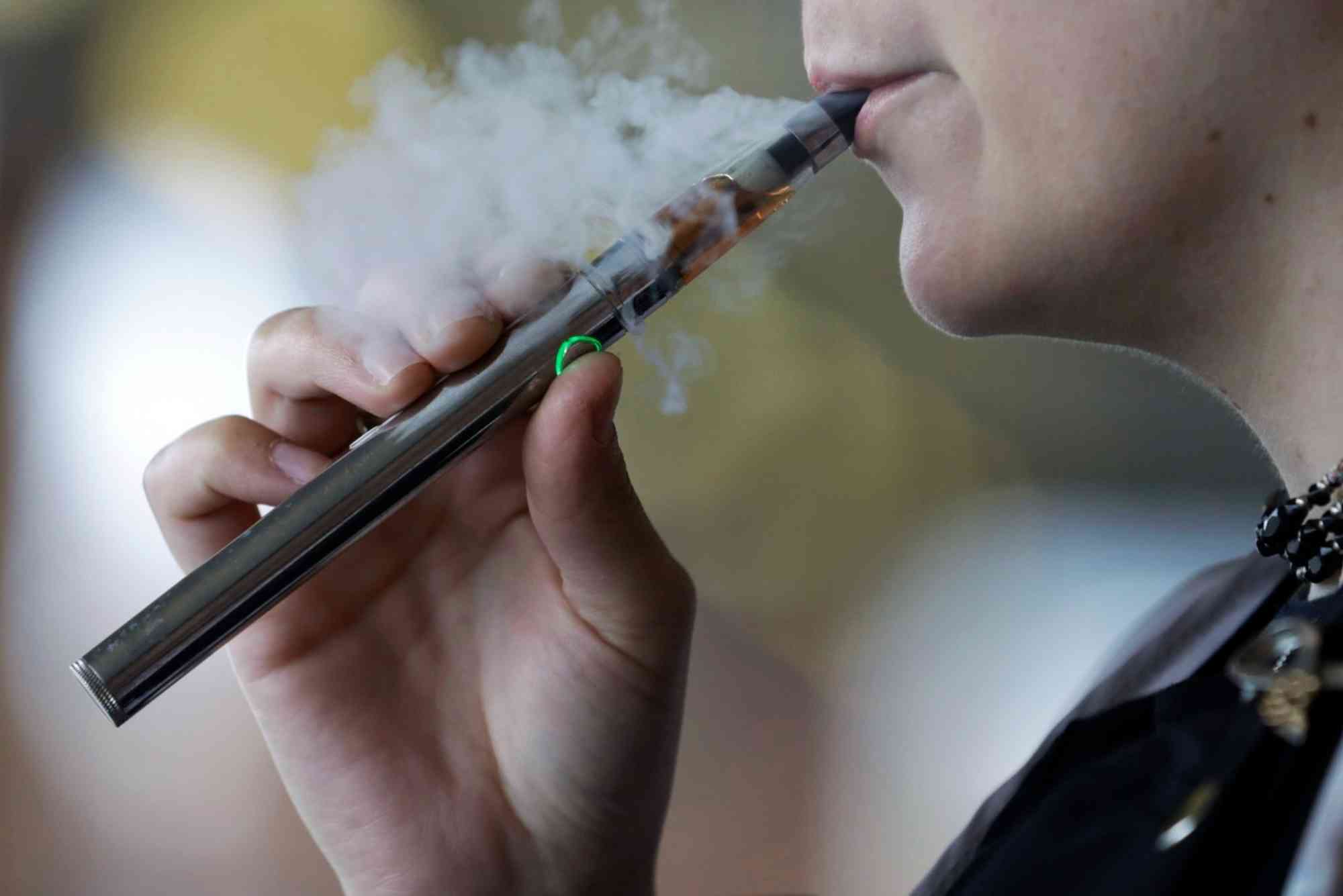
Battery Safety & Vaping Problems: What Vapers Need to Know
Vaping has become a popular alternative to smoking, but it comes with its own set of challenges. Many users encounter vaping problems ranging from battery safety issues to device malfunctions. Understanding these risks is essential for both beginners and experienced vapers. In this guide, we’ll explore the most common problems, how to prevent them, and what every vaper needs to know to stay safe.
Common Vaping Problems Every User Should Know
Vaping is generally safer than smoking, but problems can occur if devices are misused. Identifying these issues early can help you avoid accidents or health risks.
Battery-Related Issues
One of the most frequent vaping problems involves batteries. Lithium-ion batteries are powerful but can become dangerous if handled incorrectly. Overheating, overcharging, or using damaged batteries can lead to leaks or even explosions. Always use the correct charger and avoid exposing your device to extreme heat.
Leaking E-Liquids
A leaking tank is another issue vapers commonly face. Leaks can occur if the coil is not fitted properly, if the tank is overfilled, or when seals wear out. Keeping your device clean and replacing worn parts helps prevent this frustrating problem.
Dry Hits and Burnt Coils
Few vaping problems are as unpleasant as a dry hit. This happens when there isn’t enough e-liquid soaking the coil, leading to a burnt taste. Prevent dry hits by priming coils before use and ensuring the tank has enough e-liquid.
Short Battery Life
A weak battery that drains quickly can affect your overall vaping experience. This often occurs from using incompatible chargers or not maintaining the battery. Regular charging cycles and using authentic batteries improve performance and lifespan.

Battery Safety for Vapers
Battery safety is at the heart of preventing vaping problems. A simple mistake with charging or storage can cause accidents.
How to Charge Safely
- Always use the charger that comes with your device.
- Avoid overnight charging.
- Do not use damaged charging cables.
- Keep your vape away from water and extreme temperatures.
Proper Battery Storage
- Store batteries in protective cases, never loose in your pocket.
- Avoid contact with coins, keys, or metal objects.
- Keep batteries away from direct sunlight.
Recognizing Battery Warning Signs
If your vape battery becomes excessively hot, swells, or leaks, stop using it immediately. Dispose of damaged batteries at designated recycling centers, never in household trash.
Health-Related Vaping Problems
While vaping is often marketed as a safer alternative, health concerns still exist.
Nicotine Overconsumption
Vaping high-nicotine e-liquids excessively can cause dizziness, nausea, and rapid heartbeat. Monitor your intake and adjust nicotine strength if needed.
Respiratory Irritation
Some users report coughing, throat irritation, or shortness of breath. This may result from inhaling too deeply, using high-PG e-liquids, or overheating coils. Choosing the right e-liquid blend can reduce discomfort.
Allergic Reactions
Certain flavorings or ingredients may trigger allergic reactions. If you experience itching, rashes, or difficulty breathing, discontinue use and consult a doctor.
Preventing Common Vaping Problems
With a few best practices, you can avoid many issues.
Regular Cleaning
Residue buildup inside tanks and mouthpieces can cause leaks or poor vapor production. Clean your vape weekly with warm water and a soft cloth.
Correct Coil Maintenance
Replacing coils every one to two weeks helps maintain flavor quality and prevents dry hits. Always prime new coils by soaking them with e-liquid before use.
Safe Usage Habits
- Avoid chain vaping to prevent overheating.
- Use authentic parts from reputable brands.
- Do not modify your device unless you have technical knowledge.
Legal and Safety Considerations
Vaping regulations vary by country. Some areas restrict nicotine strength, device wattage, or flavored e-liquids. Staying updated with local laws helps prevent legal issues. You can check updates on vaping regulations on reliable sources like CDC and FDA.
FAQs on Vaping Problems
Why does my vape keep leaking?
Leaks often occur due to overfilling, damaged seals, or loose coils. Cleaning and proper refilling usually solve this.
How do I stop my vape from tasting burnt?
Prime new coils, keep enough e-liquid in the tank, and avoid vaping at excessively high wattage.
Can vape batteries explode?
Yes, but explosions are rare. They usually happen due to poor battery care, using cheap chargers, or exposing batteries to heat.
Is vaping bad for your lungs?
While vaping is generally less harmful than smoking, it can still irritate the lungs. Long-term effects are still being studied.
What should I do if my vape gets too hot?
Stop using it immediately. Let it cool down, check for damaged parts, and avoid continuous heavy use.
Final Thoughts on Vaping Problems and Battery Safety
Vaping can be enjoyable, but ignoring safety measures leads to serious problems. The most common vaping problems involve batteries, leaks, and burnt coils. By practicing battery safety, maintaining your device, and using high-quality products, you can reduce risks significantly.
If you’re considering vaping as an alternative to smoking, make sure you educate yourself about potential challenges and best practices. Always choose trusted brands and seek guidance from professionals when needed.
Stay safe, informed, and responsible. If you want more expert tips on vaping safety and how to avoid common vaping problems, subscribe to our newsletter for updates and guides tailored to vapers like you.