Introduction
Vaping has transformed the way people consume nicotine. Once marketed as a safer alternative to smoking, it quickly gained popularity, especially among young adults. However, the surge in youth vaping and health concerns sparked a wave of vape bans across the United States. Many states have taken firm steps to restrict or completely ban flavored vapes, e-cigarette sales, or certain vaping devices. But an important question remains — are these bans a real solution to public health issues, or just a response to the vaping hype?
Understanding the Vape Ban Movement
The vaping ban debate began when public health organizations started linking e-cigarette use with potential lung injuries and nicotine addiction. In 2019, the outbreak of EVALI (E-cigarette or Vaping Product Use-Associated Lung Injury) raised alarm across the country. This prompted several states to impose emergency restrictions, particularly targeting flavored e-liquids.
The motivation behind these bans largely revolves around protecting youth. Statistics showed a sharp increase in teenage vaping, with many high school students admitting to using flavored e-cigarettes regularly. Lawmakers feared this trend could reverse decades of progress made in reducing cigarette smoking.
However, while the goal was to safeguard young people, critics argue that broad vape bans may push adult smokers back to traditional cigarettes — a far more harmful option.
States That Have Banned Vapes
Across the United States, several states have enacted either full or partial vape bans. These vary in scope — from banning flavored products to restricting online sales or limiting where vaping can occur. Some notable examples include California, Massachusetts, New York, and New Jersey, which implemented comprehensive flavor bans.
California
California became a pioneer in imposing strong tobacco control policies. In 2022, the state enforced a ban on flavored tobacco and e-cigarette products, including menthol. The decision was backed by voters in a statewide referendum. Retailers were prohibited from selling any flavored vape products, a move that supporters claimed would protect children from nicotine addiction.

Massachusetts
Massachusetts went even further by implementing one of the nation’s most comprehensive bans on flavored vaping and tobacco products. Following a 2019 health crisis linked to vaping-related illnesses, the state banned all flavored vapes — both nicotine and THC-based. While it was praised by public health advocates, some vape shop owners reported severe business losses.
New York
New York followed a similar path, banning flavored e-cigarettes in 2020. The state justified the move as a necessary step to curb teen vaping. However, New York’s law faced criticism for potentially pushing adult users toward unregulated black-market products, where quality control is uncertain.
New Jersey
New Jersey also banned all flavored vape products, including menthol, in early 2020. The measure aimed to prevent youth addiction and reduce exposure to harmful chemicals. However, similar to other states, enforcement challenges and the growth of online sales have made it difficult to fully eliminate access to flavored vapes.
Why Are States Banning Vapes?
The key driver behind vape bans is public health. Lawmakers cite three major concerns: youth addiction, unknown long-term effects, and the risk of lung-related illnesses.
Protecting Youth
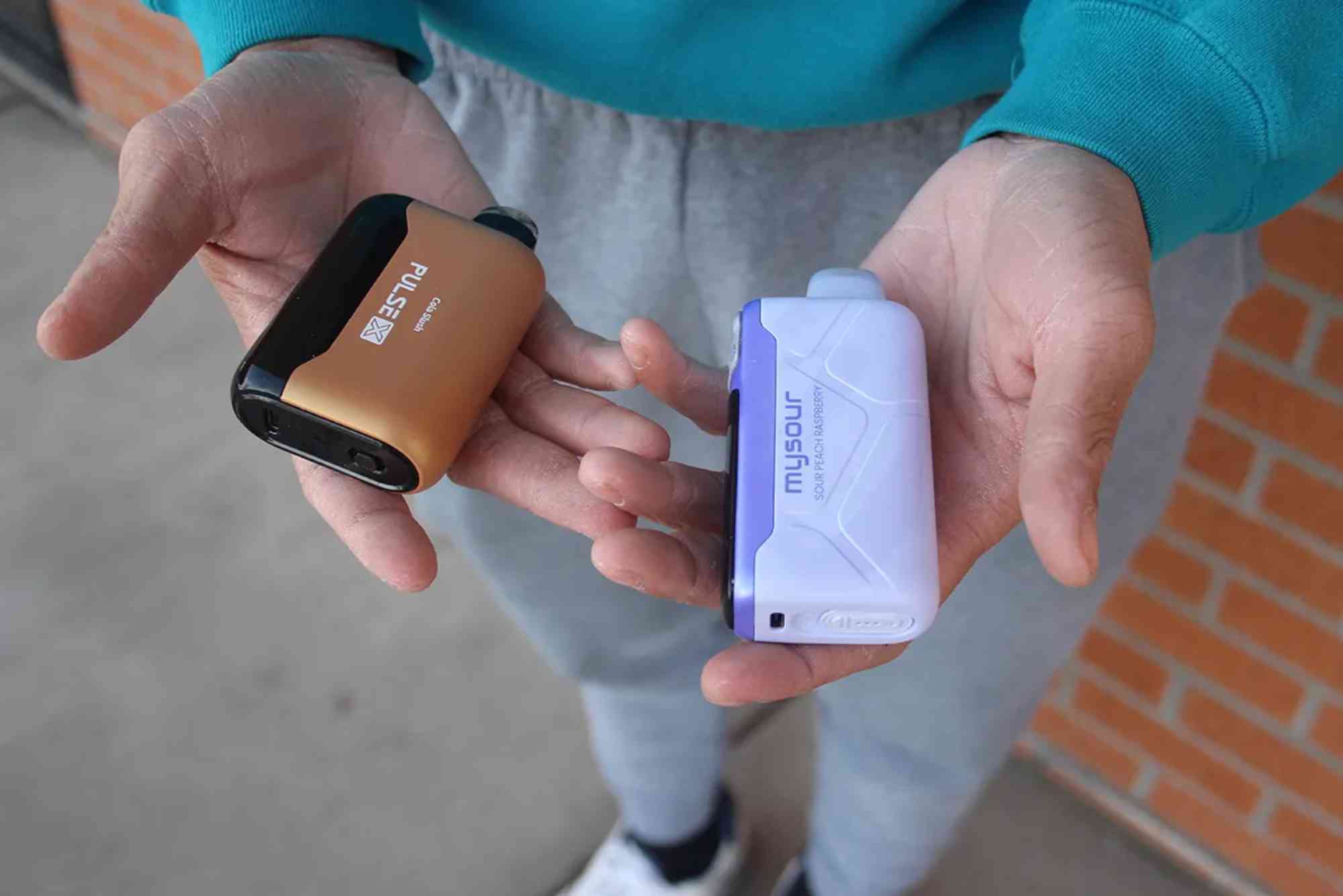
Data from multiple health agencies, including the CDC, revealed a troubling pattern: teenagers were more likely to start vaping due to the availability of sweet, candy-like flavors. The appealing packaging and fruity scents often masked the presence of nicotine, leading to addiction at a young age. Vape bans, therefore, aim to reduce this gateway effect.
Health Risks and EVALI
Although vaping was initially considered less harmful than smoking, the 2019 EVALI outbreak changed public perception. Hundreds of cases of severe lung damage were reported, many linked to illicit vape cartridges. Even though later investigations found vitamin E acetate — a compound mainly used in illegal THC vapes — to be the primary culprit, the scare led to broad restrictions on vaping in general.
Nicotine Addiction Concerns
Nicotine remains one of the most addictive substances known to science. Vape devices deliver nicotine more efficiently than traditional cigarettes, which can make quitting harder. States justify bans as a preventive measure to reduce addiction rates, particularly among young people who have never smoked before.
The Counterargument: Are Vape Bans Effective?
While public health officials support these bans, harm reduction experts and adult vapers argue that such measures can have unintended consequences.
Pushing Smokers Back to Cigarettes
For many adults, vaping serves as a tool to quit smoking. Multiple studies have found that e-cigarettes are less harmful than combustible tobacco and may assist in smoking cessation. When flavored products are banned, adult users often find it harder to switch from smoking to vaping, leading to potential relapses.
Growth of the Black Market
Another challenge with state vape bans is enforcement. When legal, regulated options disappear, unlicensed sellers often fill the gap. This black-market activity increases the risk of unsafe products entering circulation, similar to the 2019 EVALI outbreak. Without quality control or oversight, public health may actually suffer.
Economic Impact
Vape bans have also affected local economies. Thousands of small vape shops across the U.S. have shut down due to flavor restrictions. This not only reduces consumer choice but also impacts employment and tax revenue. Critics argue that rather than outright bans, states should focus on regulating and monitoring the industry effectively.
Public Perception and Political Influence
The vaping debate is not purely about health; it’s also political. Some lawmakers see vape bans as a straightforward solution that appeals to public sentiment, while others view them as a distraction from more pressing health issues like alcohol and opioid abuse.
Public perception, heavily influenced by media coverage of vaping-related illnesses, also plays a role. Fear-based messaging often overshadows harm reduction evidence, leading to policies that prioritize optics over outcomes.
Organizations like the Campaign for Tobacco-Free Kids state policy tracker monitor tobacco control laws and advocate for stronger regulation. Their work provides insight into how different states address vaping and tobacco use at the policy level.
Alternatives to Vape Bans
Experts suggest that rather than blanket bans, targeted regulation could be more effective.
Age Verification and Marketing Controls
Implementing stricter age verification and limiting marketing to adults could prevent youth access without penalizing responsible adult vapers. Digital verification tools and retail compliance checks can help ensure minors are not purchasing e-cigarettes.
Product Standards and Ingredient Transparency
States could enforce product quality standards to ensure vape liquids are free from harmful additives. Mandatory labeling and transparent ingredient lists would allow consumers to make informed choices while discouraging unsafe manufacturing practices.
Education and Harm Reduction
Educational campaigns explaining the relative risks of vaping versus smoking can help the public make better health decisions. Instead of demonizing vaping entirely, public health messages could emphasize that while not risk-free, vaping remains a less harmful alternative to smoking traditional tobacco.
The Future of Vaping in the U.S.
The future of vaping laws remains uncertain. As the FDA continues evaluating e-cigarette products for market authorization, states may either align with federal decisions or pursue stricter measures independently. It’s possible that future regulations will focus more on product safety rather than outright prohibition.
Technology is also evolving. The introduction of synthetic nicotine, non-flavored pods, and disposable devices has changed the landscape. Some states may eventually shift toward licensing systems that allow regulated sales under controlled conditions.
Real Solution or Just Vaping Hype?
The question of whether What States Banned Vapes vape bans are a real solution or just vaping hype depends on one’s perspective. For policymakers, banning flavored vapes seems like a clear way to protect youth. For public health advocates, it’s a precautionary step against unknown long-term risks. But for adult smokers seeking safer alternatives, these bans feel like a setback that undermines harm reduction progress. In truth, the best path forward may lie somewhere in the middle — combining regulation, education, and harm reduction rather than absolute prohibition. The vaping debate should focus on science and evidence, not fear or politics.
If you’re curious about how your state handles vaping laws and regulations, visit the Campaign for Tobacco-Free Kids state policy tracker for the most up-to-date information. Understanding the facts is the first step toward making informed choices about your health and the future of vaping in America.
FAQs
1. What states currently have a vape ban?
States like California, Massachusetts, New York, and New Jersey have banned flavored vapes. However, full bans vary depending on product type and sales channel.
2. Why did states ban flavored vapes?
Flavored vapes were banned primarily to curb youth addiction, as studies showed that fruity and candy flavors appealed strongly to teenagers.
3. Are vape bans effective in reducing youth vaping?
Evidence is mixed. Some reports show declines in teen vaping, while others suggest a shift toward black-market products, which pose greater risks.
4. Can adults still buy vapes in banned states?
In most states, adults can still buy unflavored or tobacco-flavored products. However, availability depends on local enforcement and store compliance.
5. What’s the federal government’s stance on vaping?
The FDA regulates e-cigarettes and requires premarket approval for all products. It supports restrictions on youth marketing but acknowledges that vaping may help adult smokers quit.
6. Is vaping safer than smoking?
While not risk-free, research generally agrees that vaping exposes users to fewer toxins than smoking combustible cigarettes.
7. Will more states ban vaping in the future?
It’s possible. As public health debates evolve, new restrictions or flavor bans may emerge, depending on youth usage trends and FDA decisions.