Introduction
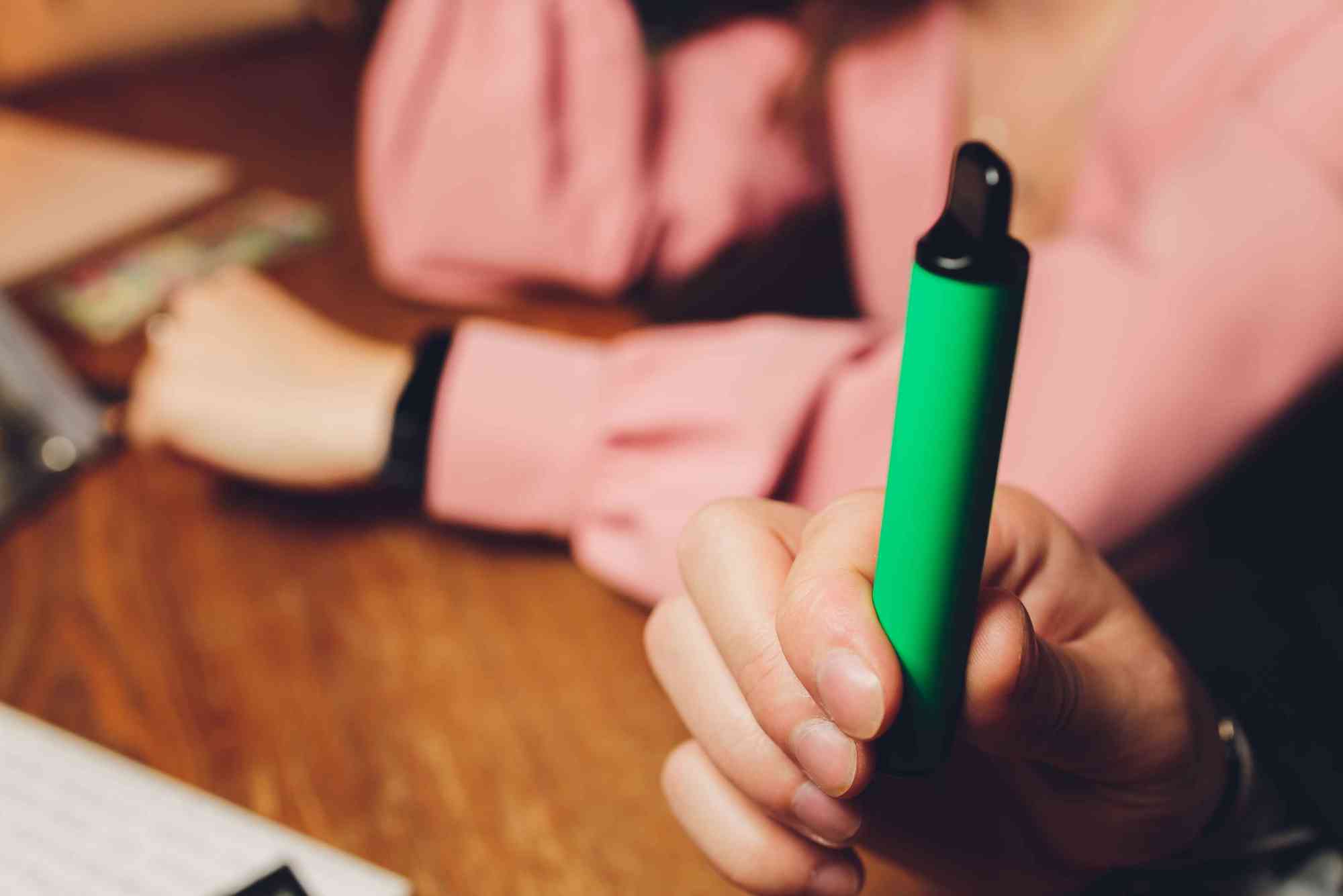
The debate over youth vaping has become one of the most pressing public health discussions in recent years. With brightly colored vape pens, sweet flavors, and widespread availability, many parents and educators are worried about how easily young teens are being drawn into vaping. But the real question that often comes up is: Is vaping illegal for under 16 – a real solution or just vaping hype? Understanding the legal, health, and social implications can help separate fact from fiction and highlight whether current restrictions genuinely protect young people or simply add to the confusion.
Understanding the Legal Side of Vaping for Under 16s
In most countries, vaping regulations are similar to tobacco laws. Generally, anyone under the age of 18 is prohibited from purchasing or using vaping products. For instance, according to National gov guidance (example: UK/Scotland) — age limits, it’s illegal to sell e-cigarettes or e-liquids to anyone under 18 in the UK. Retailers can face fines and even license suspensions for breaking this rule. However, enforcement varies widely from country to country, and that’s where the debate begins.
Some nations, like the United States, have made the federal age limit for buying tobacco and vaping products 21. Others, such as Australia, have made vaping with nicotine illegal without a prescription. But regardless of the specifics, the intent remains the same—to protect young people from nicotine addiction and potential health risks.
The Legal Grey Areas
While laws may seem clear on paper, enforcement is often inconsistent. Many underage users manage to access vaping products through friends, online shops, or local retailers who overlook age checks. This inconsistency raises a question central to our topic: are age restrictions a real solution, or just part of the vaping hype?
Some critics argue that these laws are symbolic rather than practical. They say that while legislation creates awareness, it doesn’t stop determined teens from experimenting. Others believe that strong laws, paired with education and enforcement, can significantly reduce youth vaping rates.
Why Teens Are Drawn to Vaping
To truly understand whether banning vaping under 16 works, we must look at why teens vape in the first place. The reasons are as varied as the individuals themselves. For many, it starts with curiosity—vape devices look sleek and modern, and their flavored e-liquids smell pleasant. Unlike cigarettes, vaping doesn’t leave a lingering odor or visible smoke, which makes it easier to hide from adults.

Peer influence also plays a massive role. In social media spaces like TikTok and Instagram, vaping often appears as a “cool” habit associated with stress relief or social belonging. Teenagers are particularly vulnerable to such portrayals because they are still forming their sense of identity.
Another major factor is misinformation. Some teens believe vaping is harmless compared to smoking, largely because marketing often highlights “smokeless” or “tobacco-free” messages. While it’s true that e-cigarettes don’t contain tar or some of the toxins found in cigarettes, they still deliver nicotine—a highly addictive substance that can harm developing brains.
The Science Behind the Risk
Research indicates that nicotine affects brain development until around age 25. For young users, it can interfere with attention, learning, and impulse control. Moreover, frequent vaping may expose teens to harmful chemicals like formaldehyde, acrolein, and metals that can damage the lungs.
In addition, there’s growing evidence linking teen vaping to later cigarette smoking. The so-called “gateway effect” suggests that once young users are addicted to nicotine, they may transition to traditional cigarettes for a stronger or cheaper fix.
The Role of Governments and Health Authorities
Most governments have introduced strict rules and awareness campaigns to curb underage vaping. Public Health England, for example, has repeatedly emphasized the risks of youth nicotine use, while still supporting vaping as a harm-reduction tool for adult smokers trying to quit. This creates a delicate balance—how do you promote vaping as a cessation tool for adults without attracting teens?
The National gov guidance (example: UK/Scotland) — age limits clearly outlines that retailers must verify age before selling any e-cigarette product. Enforcement officers are authorized to conduct test purchases and issue penalties. However, the ease of online purchasing undermines these efforts. Many websites lack proper age verification systems, allowing underage buyers to obtain vaping devices with minimal effort.
Global Perspectives on Vaping Laws
- United States: The federal minimum age for purchasing vaping products is 21. Despite this, underage use remains a significant problem.
- Australia: Nicotine vaping products require a doctor’s prescription, yet illicit sales are common.
- Canada: The legal age is 18 or 19 depending on the province, but flavored e-liquids continue to attract youth users.
- European Union: The EU bans marketing targeted at youth and limits nicotine concentration in e-liquids to reduce addiction risks.
This global overview demonstrates a shared intent—to protect minors—but varying levels of enforcement and public education determine the actual effectiveness of these measures.
Is the Law Enough to Stop Youth Vaping?
Simply making vaping illegal for under 16 isn’t a magic fix. Laws can deter access, but they can’t entirely change behavior or mindset. Real solutions must go beyond legal restrictions to include education, parental involvement, and community awareness.
Education and Awareness Campaigns
Studies have shown that when schools implement comprehensive health education programs, vaping rates drop significantly. These programs teach students about the real health risks of nicotine and the manipulative marketing tactics used by vape companies.
Parents also play a crucial role. Open communication about the dangers of vaping—without fear or judgment—can discourage experimentation. When teens feel safe discussing their choices, they’re less likely to hide risky behavior.
The Role of the Vape Industry
Critics argue that vape manufacturers bear much of the responsibility. Flavors like “cotton candy” or “bubblegum” clearly target a younger demographic. Restricting such marketing could reduce teen interest. Several countries have already banned flavored e-liquids for this reason.
On the other hand, the vaping industry insists that flavors help adult smokers switch from tobacco, creating a policy dilemma. A balance must be struck between harm reduction for adults and protection for youth.
Health Implications of Vaping Before 16
The long-term health effects of vaping are still under investigation, but existing research paints a concerning picture. Inhaling vaporized chemicals can cause respiratory irritation, chronic cough, and lung inflammation. Some cases of “EVALI” (E-cigarette or Vaping-Associated Lung Injury) have even been fatal, though these are often linked to black-market products.
For adolescents, the effects extend beyond the lungs. Nicotine dependency can affect academic performance, mood regulation, and even social relationships. Teens who develop nicotine addiction early often find it harder to quit later in life, leading to prolonged health risks and potential substance dependency.
Is Vaping Hype Distracting Us from Real Issues?
Some health experts argue that public discourse on underage vaping has become more hype than substance. Media often amplifies extreme stories, which, while raising awareness, can sometimes distort facts. Not every teen who tries vaping becomes addicted, and not all products contain nicotine. Yet, the potential for harm is undeniable.
The real solution lies in balanced education, clear communication, and consistent enforcement. Overreacting with sensational claims may actually backfire, making vaping appear rebellious or attractive to impressionable teens. The focus should be on empowering young people with knowledge rather than scaring them with exaggerated narratives.
A Balanced Approach to Protecting the Young
So, is vaping illegal for under 16 a real solution or just vaping hype? Legally, yes—it is illegal in most regions for anyone under 16 or 18 to vape. But legality alone doesn’t solve the problem. True prevention requires a blend of strong policy enforcement, youth education, responsible marketing, and parental guidance.
Vaping might be marketed as a safer alternative to smoking, but for underage users, it introduces risks that can last a lifetime. It’s not just about following the law—it’s about safeguarding health, choices, and the future.
Call to Action: If you’re a parent, teacher, or policymaker, take the next step. Advocate for stricter online sales checks, support youth education programs, and talk openly about vaping’s real impact. Awareness—not hype—is the most powerful solution.
(FAQs)
Is vaping illegal for under 16s?
Yes, in most countries including the UK, it’s illegal for anyone under 16 or 18 to buy or use vaping products. Retailers are required to verify age before sale.
Why is vaping age-restricted?
Vaping is age-restricted because nicotine can harm brain development, especially in teenagers. Laws aim to prevent addiction and protect young users.
Can under 16s be fined for vaping?
Penalties typically target retailers, not minors. However, schools and local authorities may impose disciplinary actions on underage users caught vaping.
Are nicotine-free vapes legal for under 16s?
Even nicotine-free vapes are often covered under the same age restrictions to prevent youth from developing vaping habits.
What can parents do to stop their teens from vaping?
Parents should foster open communication, educate their teens about vaping’s risks, and model healthy behaviors at home.