
Introduction
The debate around Tpd vape laws continues to grow as lawmakers, experts, and consumers struggle to understand whether these regulations offer real protection or are simply part of broader vaping hype. As vaping expands across Europe, many ask whether the Tpd vape laws A Real Solution or Just Vaping Hype discussion reflects genuine safety concerns or political pressure. This article explores the truth behind the legislation, its impact, and whether the TPD framework benefits public health or limits consumer freedom.
Understanding the Purpose of TPD Vape Regulations
The Tobacco Products Directive, often referred to as TPD, is the main regulatory framework for vaping products across the European Union. Introduced to manage the fast-growing e-cigarette market, these rules aim to reduce youth access, ensure product safety, and create consistency across member states. Many supporters insist that the laws provide crucial safeguards, while critics claim the rules do little beyond restricting adult smokers who want an alternative to cigarettes.
The official documentation of the directive is available on the EU’s own website under the EU Tobacco Products Directive (TPD) — official EU page, which outlines the scope and purpose of the legislation. This resource explains how the rules were developed and what the EU hopes to achieve through these measures.
Key Features of TPD Vape Laws and Their Intended Impact
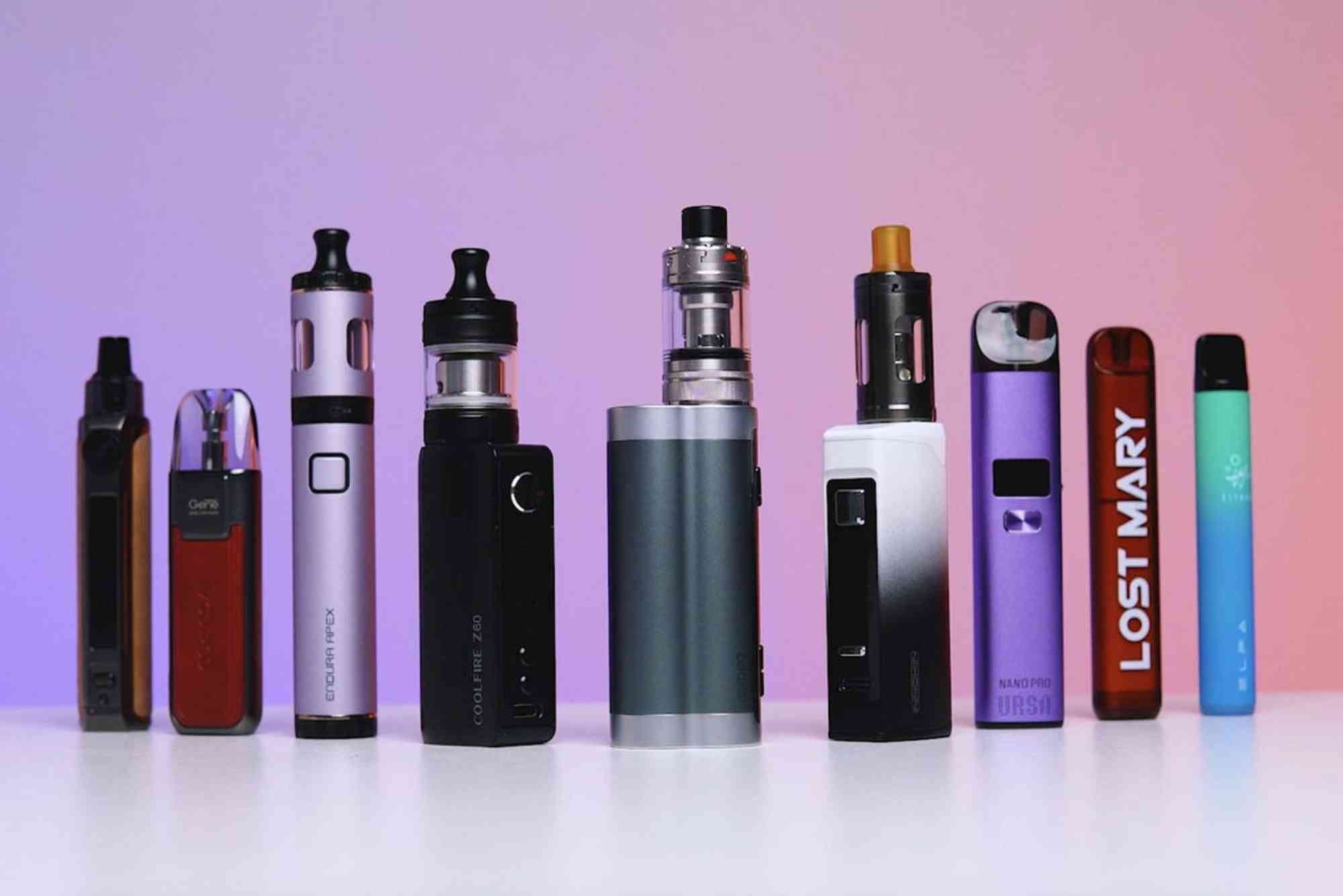
To understand whether Tpd vape laws A Real Solution or Just Vaping Hype, it is essential to examine the main components of the directive. The TPD sets standards for everything from bottle size to advertising rules, with a strong focus on reducing nicotine dependency and preventing minors from accessing vaping devices. The law restricts e-liquid bottles to small capacities, mandates safety warnings, and limits nicotine strength to a maximum of 20 mg. The intention is to protect consumers, especially inexperienced users, from high-risk exposure.
While these measures look solid on paper, critics argue that the restrictions often push advanced or heavy smokers away from vaping and back toward cigarettes. Some also believe that the small bottle sizes and limited tank capacities increase cost and inconvenience for adult users, without providing additional safety benefits.
Do TPD Limits Actually Improve Safety?
The idea behind TPD rules is to minimise harm by standardising how vaping products are designed and sold. However, real-world data shows a different picture. Many adult users feel that the restrictions are more irritating than helpful. Smaller tank capacities lead to frequent refilling, causing spills and unnecessary exposure to nicotine liquids. While this is the opposite of what lawmakers intended, it highlights the gap between theory and everyday experience.

The nicotine cap also raises questions about effectiveness. For heavy smokers attempting to switch to vaping, a 20 mg limit may not be enough to satisfy cravings, especially during the early stages of quitting cigarettes. Some experts argue that forcing smokers to vape more frequently to achieve the same effect may actually undermine the health benefits regulators hoped to promote.
TPD and Youth Protection: Effective or Misguided?
One of the strongest arguments for Tpd vape laws A Real Solution or Just Vaping Hype centres on youth protection. TPD bans advertising, flavour promotion, and vibrant packaging designs that could appeal to minors. This aspect of the law is widely supported, as no one wants teenagers drawn into nicotine addiction.
Despite this, youth vaping rates have still risen in some European regions. Critics point out that limiting bottle size or tank volume does nothing to address the real issue, which is enforcement of age restrictions and education among young people. Regulators often focus on product appearance rather than improving store compliance or online age-verification systems. As a result, many observers believe the TPD targets the wrong areas, creating unnecessary hurdles for adults while leaving core issues unaddressed.
How TPD Affects Vapers, Smokers, and Retailers
For adults who vape regularly, the directive has caused mixed reactions. Some appreciate the consistency and safety standards, while others feel that Tpd vape laws A Real Solution or Just Vaping Hype is more hype than substance. The inconvenience of small tanks and limited nicotine strength has pushed many users toward unregulated markets, which undermines the very purpose of regulation.
Retailers face a different challenge. Complying with TPD requirements involves certification, product testing, and updated packaging, which increases costs. Small vape shops with limited resources struggle to keep up, while larger companies adapt more easily. This imbalance indirectly favors big manufacturers, shrinking variety and competition in the market.
For smokers considering switching to vaping, the regulations can send mixed messages. The restrictions may imply that vaping is as dangerous as smoking, which is scientifically inaccurate. Public health experts generally agree that vaping is significantly less harmful than smoking traditional cigarettes. When policy sends the wrong signals, fewer smokers switch, and smoking-related diseases remain high.
Are TPD Revisions Needed?
The most important question in the Tpd vape laws A Real Solution or Just Vaping Hype debate is whether the directive should evolve. Many experts and consumer groups argue that the TPD is outdated, built on early information rather than modern research. Since the directive was drafted, vaping technology has advanced quickly, and several countries have studied vaping in more detail. Many of these studies show that vaping, when regulated appropriately, can help reduce smoking rates.
Lawmakers in the EU have already signalled plans to review and potentially tighten TPD rules. The concern, however, is that tightening may not align with scientific evidence and could push more adults back to cigarettes. Some want more flexible nicotine limits, updated tank capacities, and clearer rules that differentiate between youth-targeted products and adult harm-reduction tools.
Public Perception: Does TPD Build Trust or Confusion?
Public opinion around vaping has changed drastically in the last decade. Many individuals are confused about the safety of e-cigarettes due to conflicting headlines and political debates. While TPD aims to standardise information and increase trust, its current form often creates the opposite effect. When regulations feel restrictive or impractical, people begin to doubt the intentions behind them.
Consumers often wonder whether Tpd vape laws A Real Solution or Just Vaping Hype, especially when real-world outcomes contradict political messaging. Public trust grows when policies align with science and transparency, not when they create frustration.
The Balance Between Freedom and Protection
Effective regulation should walk a fine line between protecting the public and allowing adults to make informed choices. Vaping is not risk-free, but it is widely accepted as less harmful than combustible cigarettes. Restricting access to vaping products too severely could unintentionally keep smokers trapped in a more dangerous habit. Finding the right balance is essential to achieving long-term health goals.
Many experts argue for evidence-based policymaking rather than fear-based restrictions. This means adjusting TPD rules to match real-world behaviour instead of assuming all users are the same. Heavy smokers, light vapers, and beginners all have different needs, and regulations should reflect that diversity rather than impose a one-size-fits-all solution.
Frequently Asked Questions
Why does TPD limit nicotine strength?
TPD limits nicotine to reduce dependency risk and prevent inexperienced users from consuming high concentrations. Critics argue the limit is too low for heavy smokers trying to quit cigarettes.
Are all EU countries required to follow TPD rules?
Yes, TPD applies across all EU member states. However, countries may add additional rules, leading to variations in enforcement and product availability.
Do TPD laws make vaping safer?
They improve product consistency and basic safety, but some restrictions may reduce convenience without significantly lowering risk. Many experts believe some rules need updating.
Why are vape tank sizes restricted?
Regulators believed smaller tanks would limit the amount of nicotine consumed. In practice, it causes more refilling and does not meaningfully reduce risk.
Can TPD rules change in the future?
Yes, the EU is already reviewing potential updates. Consumer groups and public health experts are urging lawmakers to consider modern research before creating new limits.
The discussion around Tpd vape laws A Real Solution or Just Vaping Hype continues because the answer depends on perspective. The directive provides structure and basic safety, but several restrictions appear outdated and out of touch with the needs of adult vapers and smokers trying to quit. While TPD aims to protect public health, some rules limit harm-reduction potential and inconvenience responsible users.
For vaping regulation to truly succeed, lawmakers must prioritise science, consumer behaviour, and realistic expectations. Updating the directive with modern evidence could improve safety without sacrificing accessibility.