Introduction
The debate around Queensland vape laws A Real Solution or Just Vaping Hype has intensified as the state continues enforcing some of Australia’s toughest nicotine regulations. For many Queenslanders, vaping has shifted from a niche trend to a mainstream habit, especially among young adults. Yet policymakers argue that strict rules are the only way to control rising addiction and protect public health. As new reforms roll out, millions are left wondering whether these laws truly address the issue or simply create more controversy and confusion.
Understanding these laws matters not only for vapers but for parents, healthcare workers, educators, and retailers. The ongoing tension between harm reduction advocates and health authorities shapes the future of vaping across the state. This article explores the deeper dynamics behind these changes, helping you understand whether the system is working or if it’s becoming another political talking point.
Understanding the New Queensland Vape Regulations
Queensland’s vaping regulations have tightened significantly in recent years. The government now focuses on restricting access to nicotine devices, limiting marketing exposure, and reducing youth experimentation. While these policies aim to reduce harm, many feel their impact is more symbolic than practical.
How the Laws Currently Work
You cannot legally buy nicotine vapes in Queensland without a valid prescription. Retail stores may sell only non-nicotine vaping products, and even those are subject to strict packaging and advertising rules. The government has also stepped up enforcement, introducing stronger compliance checks and heavier penalties for illegal sales.
The state’s updated enforcement approach outlines penalties and guidelines published through Queensland Health — vaping policy & fines giving residents a clearer view of what is permitted and what is not.
What the Government Aims to Prevent
The goal is straightforward: reduce nicotine addiction, especially among young people. Health officials argue that vaping is no longer an alternative to smoking but a gateway for teenagers who would otherwise never use nicotine. Yet critics claim the narrative is exaggerated and that vaping bans force users toward black-market products with no regulation at all.

The Growing Public Debate: Health Protection vs. Personal Freedom
Queenslanders remain divided. Supporters of the laws argue they are essential for public health, while opponents claim the rules penalize adults who use vapes responsibly. This clash of perspectives fuels an ongoing cultural and political discussion.
Supporters See the Laws as a Necessary Health Measure
Health professionals often point out that vaping still carries respiratory and cardiovascular risks. Even though vapes are less harmful than cigarettes, the long-term effects are not fully understood. By restricting sales and distribution, they believe the state is taking proactive steps to avoid another mass addiction crisis.
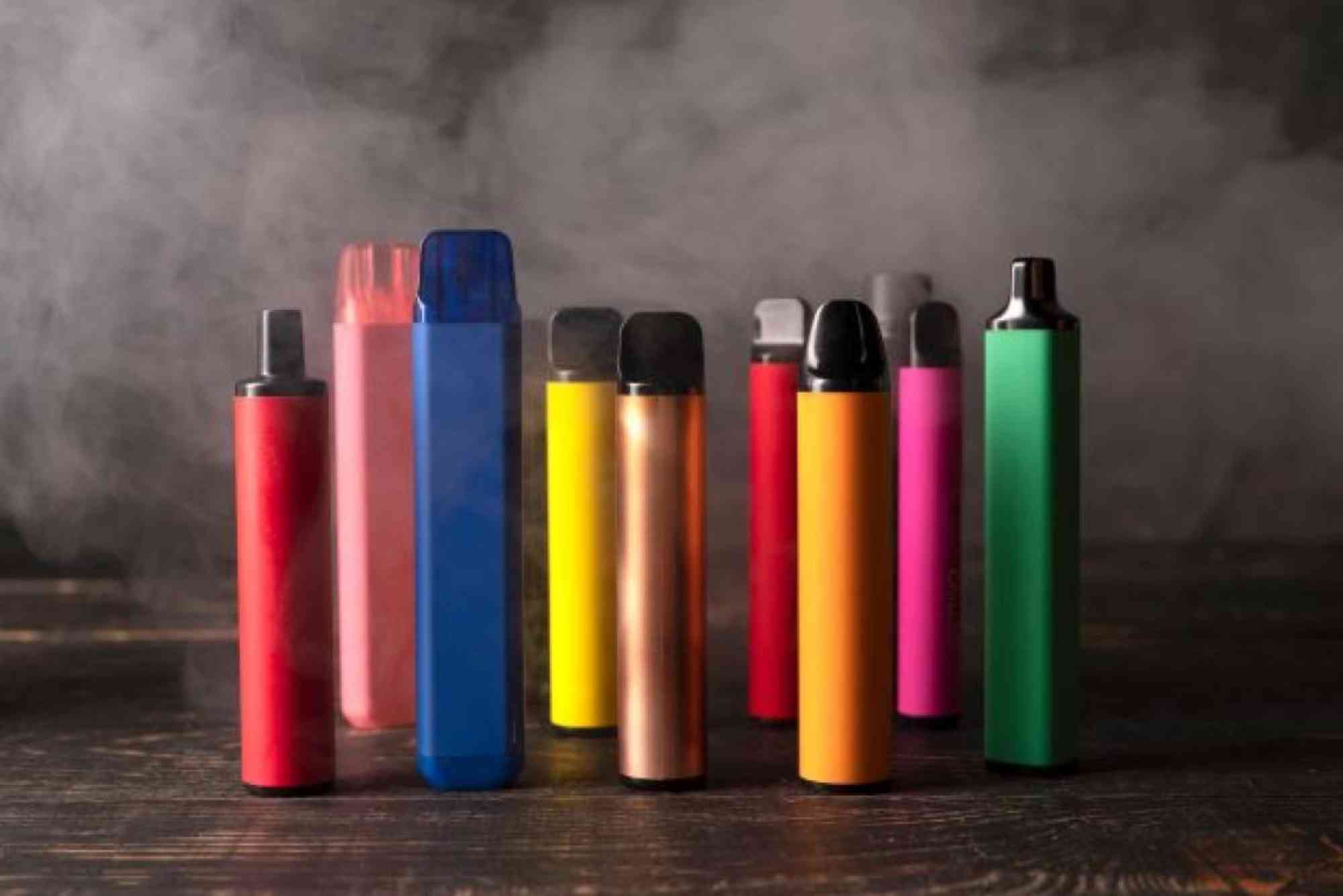
Many parents support this strategy. The rise of discreet, flavored vape pens has made it difficult to detect youth nicotine use. Schools also report increasing incidents of vaping in bathrooms and classrooms. For these groups, strict laws feel like the only viable response.
Opponents Believe the Laws Create New Problems
On the other hand, many adult smokers view vaping as a safer alternative that helps them reduce or quit cigarettes. They argue the laws punish responsible users and limit their access to harm-reduction tools. Retailers, too, say the rules hurt small businesses while doing nothing to curb illegal imports.
Some experts warn that strict prohibition rarely eliminates demand. Instead, it drives consumers toward unregulated black-market products, which may pose greater health risks. Critics also argue that prescription requirements create barriers rather than solutions, especially for rural communities with limited healthcare access.
Are the Queensland Vape Laws Actually Reducing Harm?
Evaluating the real-world impact of these laws requires looking at several factors: youth behavior, adult smoking rates, and black-market activity. So far, the results remain mixed.
Trends in Youth Vaping
Initial data suggests that while the laws may slow down experimentation, they haven’t eliminated youth vaping entirely. Devices still enter schools through social circles, online sellers, and unlicensed stores. Teenagers are resourceful, and restrictive laws rarely stop determined users.
For some families, the laws offer reassurance. But others worry that young people are now more likely to use questionable products with unknown ingredients, making the situation even riskier.
Adult Smokers Face New Barriers
Many former smokers who relied on vaping as a quitting tool feel left behind. They report difficulty getting prescriptions or finding reliable nicotine-free alternatives. A portion of them end up reverting to traditional cigarettes, which undermines public health goals.
Some public health advocates argue that Queensland should consider a more balanced approach, similar to models used in New Zealand or the UK. These regions regulate vaping without making it inaccessible to adults who use it responsibly.
Black-Market Growth Raises Safety Concerns
One of the biggest criticisms of the current laws is the rise of illegal vape sales. Street markets, social media sellers, and informal networks supply products that bypass all safety standards. These items often have no ingredient checks, no labeling, and no manufacturing guidelines.
The existence of this shadow market challenges the idea that strict laws alone can eliminate vaping risks. If anything, they may drive the problem underground, making it harder for authorities to track and control.
Queensland Vape Laws A Real Solution or Just Vaping Hype?
At the heart of the debate is whether these regulations genuinely protect the public or simply create the appearance of decisive action. The answer depends on how you interpret the overall outcomes and the government’s long-term strategy.
Supporters argue that even partial reductions in youth vaping justify restrictions. Opponents counter that the laws create unintended consequences that outweigh their benefits. The truth likely lies somewhere between these extremes. The policy may reduce some harm, but without addressing underlying demand, it risks becoming more symbolic than effective.
The Real Challenge: Balancing Safety and Practicality
Effective public health policy requires more than strict rules. It needs realistic enforcement, accessible alternatives, and community education. Queensland’s vaping laws attempt to address part of the problem, but they don’t fully solve the underlying issues.
Education Matters as Much as Regulation
Parents and educators often emphasize that long-term behavior change happens through awareness, not fear. When students learn about addiction and health risks, they make more informed choices. Strong enforcement can support this, but education remains the cornerstone.
Harm Reduction Needs a Clear Path
Adult smokers deserve access to safer alternatives. If prescription-only systems remain in place, they must be supported with streamlined processes and accessible medical guidance. Otherwise, users will continue turning to unregulated sources.
Collaboration Could Lead to Smarter Solutions
Policies designed with input from healthcare professionals, retailers, parents, and former smokers may produce more practical outcomes. A collaborative model could address both youth protection and adult harm-reduction needs without pushing the trade underground.
FAQs
Are vapes illegal in Queensland?
Nicotine vapes are illegal to purchase without a prescription. Non-nicotine vapes are allowed under strict regulations.
Can you get fined for vaping in public in Queensland?
You can face penalties if you vape in smoke-free areas such as public transport hubs, workplaces, and enclosed venues.
Why is Queensland banning vapes?
The goal is to reduce youth vaping and control nicotine addiction. Authorities also want to prevent unregulated products from circulating.
Do nicotine-free vapes still fall under Queensland vape laws?
Yes, non-nicotine vapes must follow packaging, advertising, and sales regulations, though they do not require a prescription.
Are the new laws stopping teens from vaping?
They may reduce access, but youth vaping still occurs through black-market channels and online sellers.
The question of Queensland vape laws A Real Solution or Just Vaping Hype does not have a simple answer. The laws certainly signal a strong stance on youth protection and public health. However, they also create challenges for adults seeking safer alternatives and contribute to the rise of black-market products.
For lasting impact, Queensland may need a more balanced strategy—one that combines regulation, education, harm reduction, and transparent enforcement. This is the only way to protect communities without pushing users toward riskier behaviors.
If you want to stay updated on policy changes, community resources, and expert guidance, keep exploring reliable public health sources and stay informed. Knowledge is the first step toward safer choices.
If you or someone you know relies on vaping as a quitting method, speak with a healthcare professional about safe, legal options. Staying informed helps you navigate the changing vaping landscape with confidence.