
Introduction
Is vape juice banned in Utah A Real Solution or Just Vaping Hype? This question reflects growing confusion around state vaping laws and their real-world impact. As vaping becomes increasingly controversial, many Utah residents and caring parents wonder whether restricting vape juice really solves nicotine problems — or simply pushes users into riskier behavior. In this article, we unpack the facts about vaping regulations in Utah, explore the reasoning behind restrictions, and assess whether the ban is a pragmatic win or symbolic gesture.
What Is the Current Legal Status of Vape Juice in Utah
State Law and Flavored E-Liquids
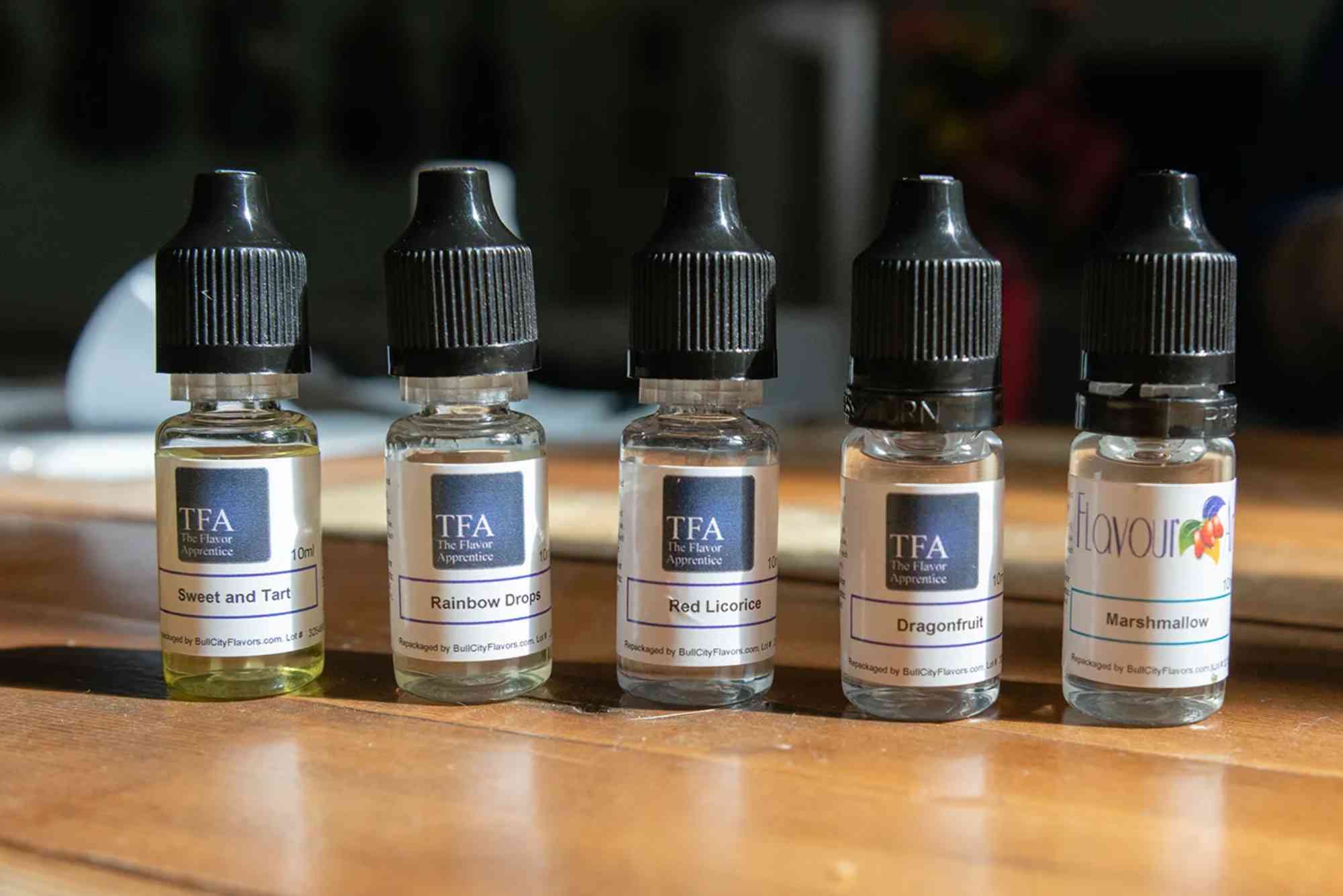
Contrary to a blanket ban on all vaping products, Utah does not entirely outlaw vape juice. Rather, the state — through the regulations outlined by the Utah Department of Health / state law on flavored e-liquids — has specifically targeted flavored e-liquids, especially those appealing to youth. These measures aim to curb underage vaping by removing products that are often used by younger users.
Age Restrictions and Sales Policies
Utah enforces strict age checks for vaping product sales. Retailers are required to verify that a purchaser is at least 21 years old. Vendors caught selling to minors face fines or license revocation. Therefore, lawful adult use remains possible, even though certain flavors or product types may be restricted.
Local and County-Level Variations
Some counties or municipalities in Utah have adopted additional restrictions — for example, banning indoor vaping in public places or raising local licensing requirements. As a result, vaping legality can vary based on where you are in the state.
Why Has Utah Imposed Restrictions on Vape Juice
Protecting Youth from Nicotine Addiction
One of the core motivations behind restricting flavored e-liquids is to prevent nicotine initiation among teens. Flavored vape juices — fruit, candy, dessert — often appeal to younger demographics. Lawmakers believe that limiting flavored options can reduce the allure and thereby curb youth vaping rates. In that sense, restrictions aim to act as a public health safeguard.
Addressing Health Concerns and Unknown Risks
Even though vaping is often promoted as a “safer alternative” to smoking, health authorities remain concerned about long-term effects. E-liquids vary widely in quality, and some products may contain contaminants or excessively high nicotine levels. By regulating or restricting these products, Utah hopes to reduce potential harms while still allowing adults to access regulated options.

Reducing Black Market and Unregulated Products
By creating a clear regulatory framework for legal vape juice, Utah aims to drive unregulated and potentially dangerous products out. Without regulation, users might turn to home-made or black-market e-liquids — those with unknown ingredients or potency. Licensing and restrictions help legitimate retailers operate under oversight, which can raise safety standards across the board.
Arguments That the Ban Is a Real Solution
Encouraging Adult Smokers to Quit or Switch Safely
For adult smokers, regulated vaping products can serve as harm-reduction tools. By restricting flavored e-liquids — which are disproportionately used by youth — but still permitting standard vape juice for adults, Utah strikes a balance. Adults who genuinely wish to quit smoking might still access vaping under regulation.
Proactively Protecting Public Health — Especially Teens
Research consistently shows that flavored e-liquids attract younger users. By limiting flavors and restricting sales, the state reduces temptations and may decrease initiation rates among teens. In the long run, fewer young nicotine users could translate to lower overall addiction rates.
Supporting Regulatory Oversight and Product Safety
Regulation allows health authorities to monitor production standards, ingredient lists, and nicotine concentrations. This oversight reduces the risks associated with unregulated vape juice and lowers chances of contaminated or dangerously potent products reaching consumers. That transparency can build public trust and support responsible adult use.
Criticisms: Is It Just Vaping Hype?
The Restrictions May Push Users Toward the Black Market
When legal or flavored options become hard to find, users — especially those seeking particular tastes or stronger effects — might resort to illicit vendors or homemade solutions. These underground products often carry greater health risks because they escape safety oversight.
Adult Demand Still Exists — With Limited Legal Options
Some argue the law penalizes responsible adult vapers rather than targeting irresponsible youth behavior. Adults who prefer flavored vape juices or certain vaping experiences may feel unjustly restricted. As a result, some may abandon regulated products entirely, undermining harm-reduction goals.
Bans May Not Address Underlying Addiction Issues
Some public health experts caution that restricting flavors or availability doesn’t tackle the root causes of nicotine addiction. Instead of bans, they recommend education, counseling, and behavioral support to help current users quit — or avoid vaping altogether.
Does the Ban Actually Work? Evidence and Outcomes
Tobacco Use Trends and Youth Vaping Rates
Since restrictions, early data suggests a modest reduction in youth vaping initiation, especially for flavored products. However, some surveys indicate teens shift to disposable vapes — which in some cases remain unregulated — thereby complicating the overall picture. The partial regulatory approach seems to have mixed success at best.
Impact on Smoke-to-Vape Switching
Some adult smokers switching to regulated vaping products appear more likely to stay away from combustible cigarettes. That shift suggests regulation — rather than outright prohibition — can facilitate harm reduction. Yet, it remains unclear if those gains are widespread or limited to certain demographics.
Rise of Illicit Vape Products
Unfortunately, restrictions have coincided with a surge in unregulated or illicit vape devices and liquids. These black-market products often lack safety controls, raising concerns about lung injuries or unknown chemical exposure. This underscores the unintended consequence of pushing demand underground.
What Could Improve Utah’s Approach
Prioritize Education and Support Over Strict Bans
Rather than focusing solely on bans, increasing public awareness about the risks of vaping — especially to youth — could help reduce initiation. School-based programs, community outreach, and access to cessation support might be more effective long term.
Regulate All Vape Products — Including Disposables and Non-Flavored Juices
Current loopholes (e.g. disposables or unflavored vape juice) allow misuse and black-market proliferation. A more comprehensive regulatory framework— covering all product types — could minimize illicit supply and protect both youth and adult users.
Offer Adult Cessation and Harm-Reduction Options
For adults seeking relief from combustible smoking, legal access to regulated vape products — perhaps under medical and counseling supervision — could preserve the benefits of harm reduction while curbing youth access.
In sum, the regulation of vape juice in Utah represents a nuanced attempt to strike a balance. It’s not a blanket ban — but a targeted effort to curb youth vaping while still allowing adult access under oversight. Whether this policy is a “real solution” or “just vaping hype” depends on enforcement, education, and the broader support system. The restrictions may well curb youth addiction and unsafe products — though the rise of illicit vaping suggests gaps remain.
If you care about public health or are a concerned parent, professional, or policymaker, now is the time to stay engaged. Explore how the law evolves and advocate for comprehensive solutions.
If you found this article helpful, share it with others and join the conversation on responsible vaping and health policy.
Frequently Asked Questions
Is vape juice banned in Utah altogether?
No. Utah has not imposed a blanket ban on all vaping products. The state targets flavored e-liquids and enforces age restrictions. Adults can legally purchase certain vape juices under regulated conditions.
Which vaping products are restricted in Utah?
Flavored e-liquids, particularly those with youth-appealing flavors, are largely restricted. Local jurisdictions may further regulate indoor vaping or require licensing for vape retailers.
Can adults still buy vape juice in Utah?
Yes. Adults aged 21 and over can legally purchase approved vape juice products, provided retailers comply with state regulations and verify age.
Did the restrictions reduce youth vaping?
Early data suggests some decline, especially for flavored vaping among teens. However, the rise of unregulated disposable vapes complicates the trend, making long-term conclusions difficult.
Does regulation help adult smokers quit cigarettes?
In some cases, yes. Adult smokers switching to regulated vaping products appear more likely to stay away from traditional cigarettes. This suggests a potential harm-reduction benefit under proper oversight.