
Introduction
Vaping has become a controversial topic across the United States, and New Jersey is no exception. With rising concerns about youth vaping and public health, the state has implemented stricter vape laws. But are these laws a real solution to the vaping epidemic, or are they merely hype? In this article, we will break down New Jersey’s vaping regulations, explore their impact, and consider whether these measures truly address the problem or simply create more confusion.
Understanding the regulations is crucial for both consumers and businesses. It helps people make informed decisions and allows authorities to enforce rules that protect public health.
Understanding New Jersey’s Vape Laws
New Jersey’s vape laws are designed to regulate the sale, distribution, and consumption of e-cigarettes and vaping products. The state has moved aggressively to limit access to minors and to ensure that vaping products meet certain safety standards.
Tobacco 21 and Age Restrictions
One of the key elements of New Jersey’s vape laws is the Tobacco 21 initiative. This law raised the legal age for purchasing tobacco and vaping products to 21. It is intended to reduce youth access to nicotine and curb early addiction. While some argue that this law has successfully slowed teenage vaping, critics suggest that it may push underage users to illegal sources.
Flavored Vape Ban
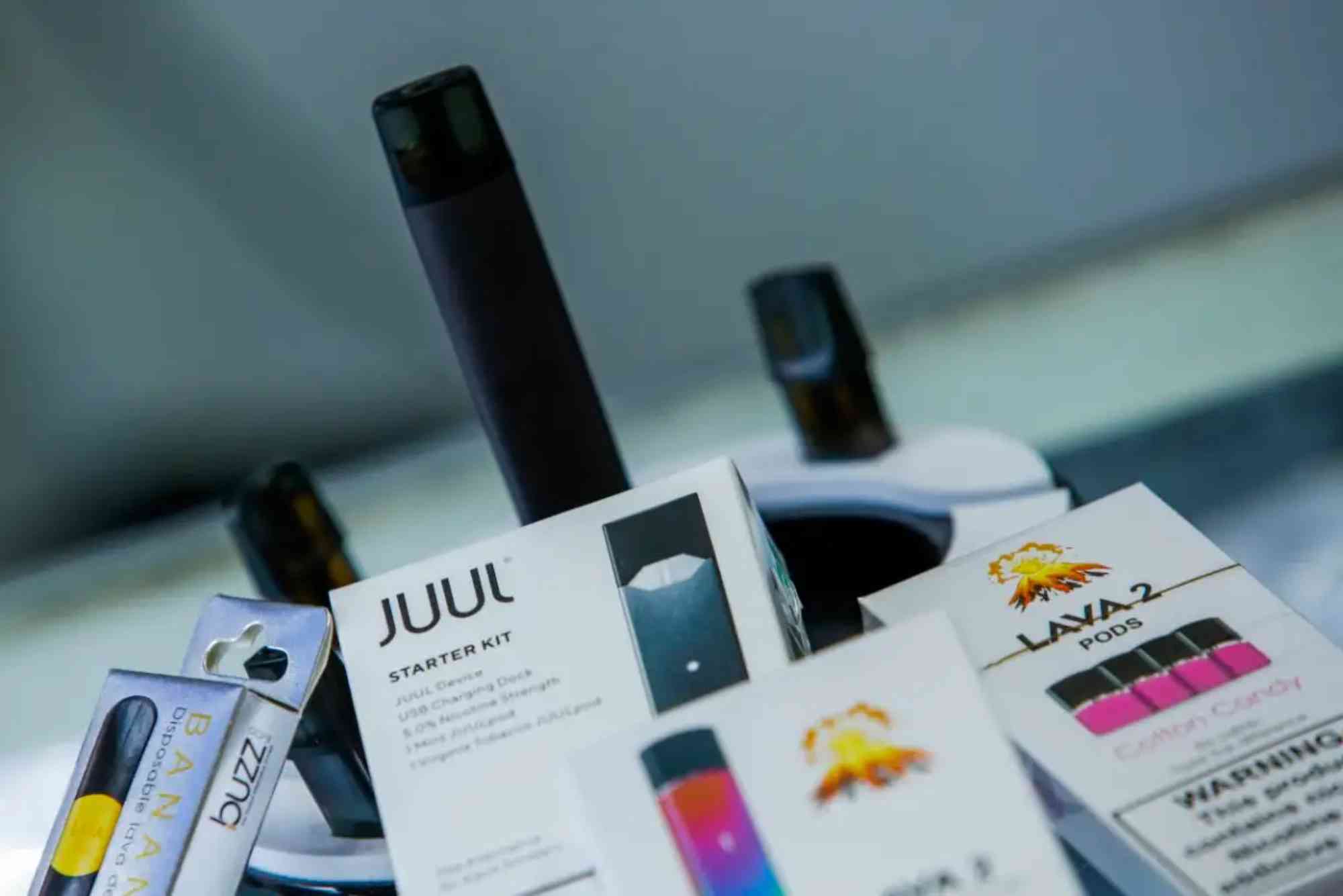
Flavored vaping products have been linked to youth appeal. New Jersey has enacted restrictions on flavored e-cigarettes, aiming to discourage teenagers from experimenting with vaping. While this measure has generated debate, public health officials argue that flavor bans are essential for preventing the next generation from nicotine addiction.
Sales and Retail Regulations
Retailers are now required to obtain licenses to sell vaping products. The state also enforces strict penalties for sales to minors. These regulations are meant to ensure accountability and protect public health. However, some small business owners claim these rules create operational challenges and increase costs without clear evidence of effectiveness.

Are the Vape Laws a Real Solution?
Determining whether New Jersey’s vape laws are genuinely effective requires a deeper look at their outcomes.
Public Health Perspective
From a public health standpoint, stricter vape laws are a proactive approach. By limiting access to youth and regulating products, New Jersey aims to reduce nicotine addiction and long-term health risks. Studies show that early exposure to nicotine can harm brain development and increase the likelihood of smoking traditional cigarettes. In this context, the laws serve a preventative purpose.
Impact on Consumers and Businesses
For adult vapers, the laws may seem restrictive, especially for those who use vaping as a smoking cessation tool. While regulations aim to protect minors, adult consumers often face higher prices, fewer product choices, and increased scrutiny. Similarly, small businesses in the vape industry have expressed concern that strict rules may reduce sales and increase compliance costs.
Balancing Hype and Reality
Vaping has often been marketed as a safer alternative to smoking, which can create confusion. New Jersey’s laws attempt to balance this perceived benefit against real health risks. While vaping may reduce exposure to some harmful chemicals compared to cigarettes, it is not risk-free. The hype around vaping often overlooks the dangers of nicotine addiction, lung injury, and potential cardiovascular issues.
Enforcement Challenges and Limitations
Even well-designed laws face challenges in enforcement. Many vape products are sold online, making it harder to monitor age verification. Additionally, illegal sales and counterfeit products can bypass state regulations. Enforcement requires ongoing investment, education campaigns, and coordination between local and state authorities.
Role of Education
Education plays a vital role alongside regulation. Schools, parents, and community programs must inform young people about the risks of vaping. Law enforcement alone cannot solve the problem; awareness campaigns are necessary to change behavior and reduce demand.
Monitoring Long-Term Outcomes
New Jersey’s approach is still evolving. Public health authorities continue to monitor vaping trends to assess the effectiveness of regulations. Early evidence suggests a decline in teenage vaping rates, but it is too soon to declare the laws a complete success. Data-driven evaluation will help guide future policy adjustments.
Comparison With Other States
New Jersey’s vape laws are among the stricter policies in the U.S., but they are not unique. States like California and Massachusetts have also implemented age restrictions and flavor bans. Comparing outcomes can offer insight into what works and what may need improvement. Early trends indicate that states combining education, access restrictions, and enforcement see better results than those relying solely on bans.
What Residents Should Know
For New Jersey residents, understanding vape laws is crucial. Adults should purchase products legally, follow age verification requirements, and consider health risks before using e-cigarettes. Parents and guardians should discuss vaping dangers with children and monitor for early signs of nicotine use. Businesses must comply with licensing and sales rules to avoid penalties.
New Jersey’s vape laws represent a serious attempt to address public health concerns and reduce youth vaping. While these measures have potential benefits, they also face challenges and limitations. The effectiveness of these laws depends on enforcement, public education, Vape laws new jersey A Real Solution or Just Vaping Hype and ongoing evaluation.
Ultimately, these laws are not just hype—they are a step toward protecting young people from nicotine addiction. However, the debate about vaping safety, consumer freedom, and business impact will continue. Residents and policymakers must remain engaged to ensure these laws serve their intended purpose.
FAQ
Q: What is the legal age to buy vaping products in New Jersey?
A: The legal age is 21 under the Tobacco 21 law. Retailers face penalties for selling to anyone underage.
Q: Are flavored vaping products banned in New Jersey?
A: Yes, the state restricts flavored e-cigarettes to reduce youth appeal, with certain exceptions for adult use in regulated settings.
Q: Can vaping help adults quit smoking?
A: Some studies suggest vaping can aid smoking cessation, but it is not risk-free. Consultation with a healthcare provider is recommended.
Q: Are online vape sales regulated in New Jersey?
A: Yes, online retailers must comply with age verification laws, but enforcement can be challenging.
Q: Where can I learn more about New Jersey vape laws?
A: The New Jersey Department of Health vaping & Tobacco 21 provides official guidance and updates.