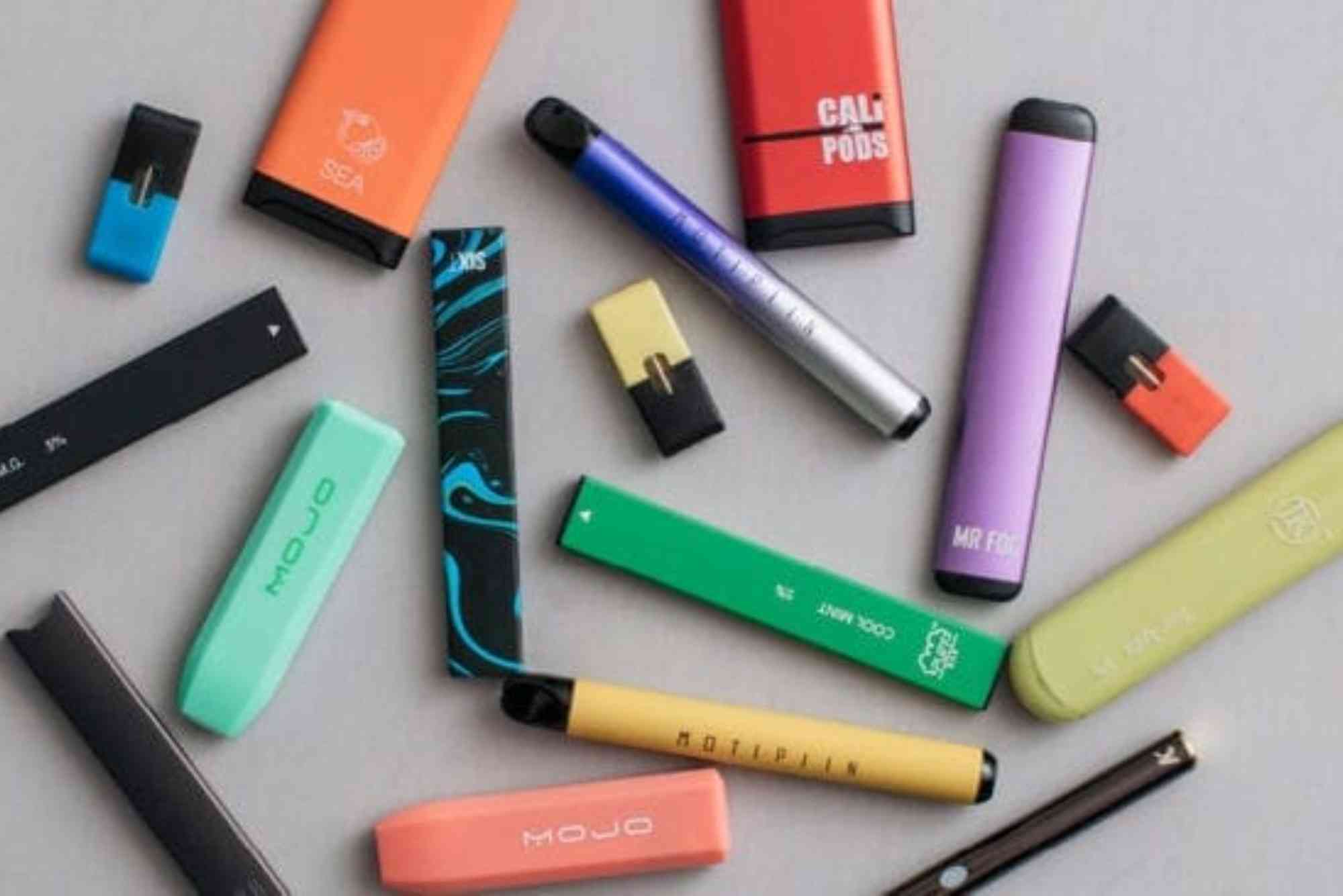
The topic of illegal vaping products has become widely discussed as vaping continues to grow across the world. Many people hear the term and immediately assume that most vaping products available in the market are illegal or unsafe. However, this belief is largely based on misunderstanding and misinformation. In reality, the situation is more complex and depends heavily on local laws, regulatory systems, and product sourcing.
The phrase Debunking the Myth: Illegal vaping products is important because it helps separate fact from fear. Not all vaping products are illegal, and not all unregulated products are immediately dangerous. Instead, legality depends on compliance with specific national regulations, manufacturing standards, and distribution rules. This article will explore these facts in detail, explain where risks actually come from, and guide consumers toward safer, informed decisions.
What Are Illegal Vaping Products?
To understand the discussion around illegal vaping products, we must first define what “illegal” really means. A vaping product becomes illegal when it violates the laws of a specific country or region. These laws may involve nicotine limits, packaging requirements, age restrictions, or tax regulations. For example, a product that is legal in one country may be completely banned in another due to different health policies.
Illegal vaping products are often confused with unregulated or imported products, but these terms are not identical. A product may be unregulated if it has not been officially approved by a regulatory body, but it is not necessarily illegal unless it violates a specific law. This distinction is crucial in Debunking the Myth: Illegal vaping products, as it shows that the issue is more about regulation than outright legality in all cases.
Debunking the Myth: Are Most Vaping Products Illegal?
One of the most common misconceptions is that most vaping products available in the market are illegal. This is not true. In most regulated countries, the majority of vaping products sold in licensed shops are legal and comply with safety standards. These products undergo testing for ingredients, nicotine levels, and manufacturing quality before reaching consumers.
The real issue arises with counterfeit or black-market products. These are the items that often bypass safety checks and enter the market through unauthorized channels. However, they do not represent the entire vaping industry. Therefore, saying that vaping products are mostly illegal is misleading and contributes to unnecessary fear.

Risks Associated With Illegal and Unregulated Vaping Products
While legal vaping products are regulated for safety, illegal vaping products can pose serious risks. One of the biggest concerns is the presence of unknown or harmful ingredients. Since these products are not tested, they may contain chemicals that are unsafe for inhalation. This can lead to respiratory issues or other health complications.
Another risk comes from poor manufacturing standards. Illegal products may use low-quality batteries, increasing the chance of device malfunction or even explosion. In addition, counterfeit products often imitate popular brands, making it difficult for consumers to identify genuine items. These risks highlight why regulation is important and why consumers should avoid suspiciously cheap or unverified products.
Global Efforts to Control Illegal Vaping Trade
Governments and international agencies actively work to reduce the spread of illegal vaping products. Customs authorities regularly inspect shipments and seize counterfeit goods that violate import laws. International organizations also coordinate efforts to track illegal trade networks that often overlap with tobacco smuggling operations.
Despite these efforts, enforcement remains challenging because illegal products are often sold online and shipped across borders, making regulation more complex.
Why the Myth About Illegal Vaping Products Exists
The belief that most vaping products are illegal often comes from confusion between different terms. Many people mix up “illegal,” “unregulated,” and “unsafe,” even though they are not the same. Media coverage can also contribute to this misunderstanding by focusing on extreme cases, such as counterfeit products or youth vaping concerns.
Social media further amplifies misinformation, making it seem like all vaping products are dangerous or banned. In reality, most of the regulated market operates legally under strict guidelines. The myth persists mainly due to lack of clear public understanding.
How to Identify Safe and Legal Vaping Products
Consumers can protect themselves by learning how to identify legitimate vaping products. Legal products usually include clear labeling, manufacturer information, health warnings, and regulatory approval marks. These details help confirm that the product has been tested and approved for sale.
It is also important to purchase vaping products only from authorized retailers or official brand stores. Buying from unknown online sellers or informal markets increases the risk of receiving counterfeit goods. Additionally, extremely low prices can be a warning sign that the product is not genuine.
Public Health Perspective on Vaping Regulation
Public health organizations continue to study the effects of vaping. Many experts agree that regulated vaping products are less harmful than traditional cigarettes, but they still emphasize caution due to nicotine addiction risks. At the same time, illegal vaping products are considered significantly more dangerous because their contents are unknown and untested.
Resources such as the CDC and WHO provide ongoing research and updates on vaping safety, helping consumers understand the risks and benefits more clearly.
Economic Impact of Illegal Vaping Products
Illegal vaping products also have a significant economic impact. Governments lose tax revenue when products are sold through black markets. Legal businesses face unfair competition from counterfeit goods that are sold at lower prices. This also affects job creation in the regulated vaping industry, which includes manufacturing, distribution, and retail sectors.
Welcome to my blog, where I share useful insights, updates, and resources on various topics. If you’re interested in exploring more, feel free to visit my main website at neovapex.com for additional content and information.
Separating Myth From Reality
In conclusion, INTERPOL / customs enforcement notices on illicit vaping products reveals that the issue is not as simple as it may seem. Not all vaping products are illegal, and not all risks come from vaping itself. The real concern lies in unregulated and counterfeit products that bypass safety standards and put consumers at risk.
Frequently Asked Questions (FAQs)
Are all vaping products illegal in some countries?
No. Regulations vary. Some countries ban vaping entirely, while others regulate it.
How can I tell if a vape product is illegal?
Check for missing labels, unknown manufacturers, or lack of regulatory approval.
Are illegal vaping products more dangerous?
Yes. They often contain unknown chemicals and lack safety testing.
Why do illegal vape products exist?
They exist due to demand, high taxation, and cross-border online sales.
Can legal vaping products still be harmful?
Yes, but risks are significantly lower when products are regulated and properly manufactured.
Debunking the Myth: Wisconsin vape pen laws Many people assume vape pens are either fully legal or completely banned in Wisconsin, but the reality is more nuanced. Regulations vary depending on age restrictions, THC content, and where products are sold or used. Misunderstandings often come from mixing state tobacco rules with federal and local enforcement differences. Confusion persists among users.
Related Reading: Debunking the Myth: Is vaping illegal in minnesota at school
Related Reading: Debunking the Myth: Vaping in ky — full guide