
Introduction
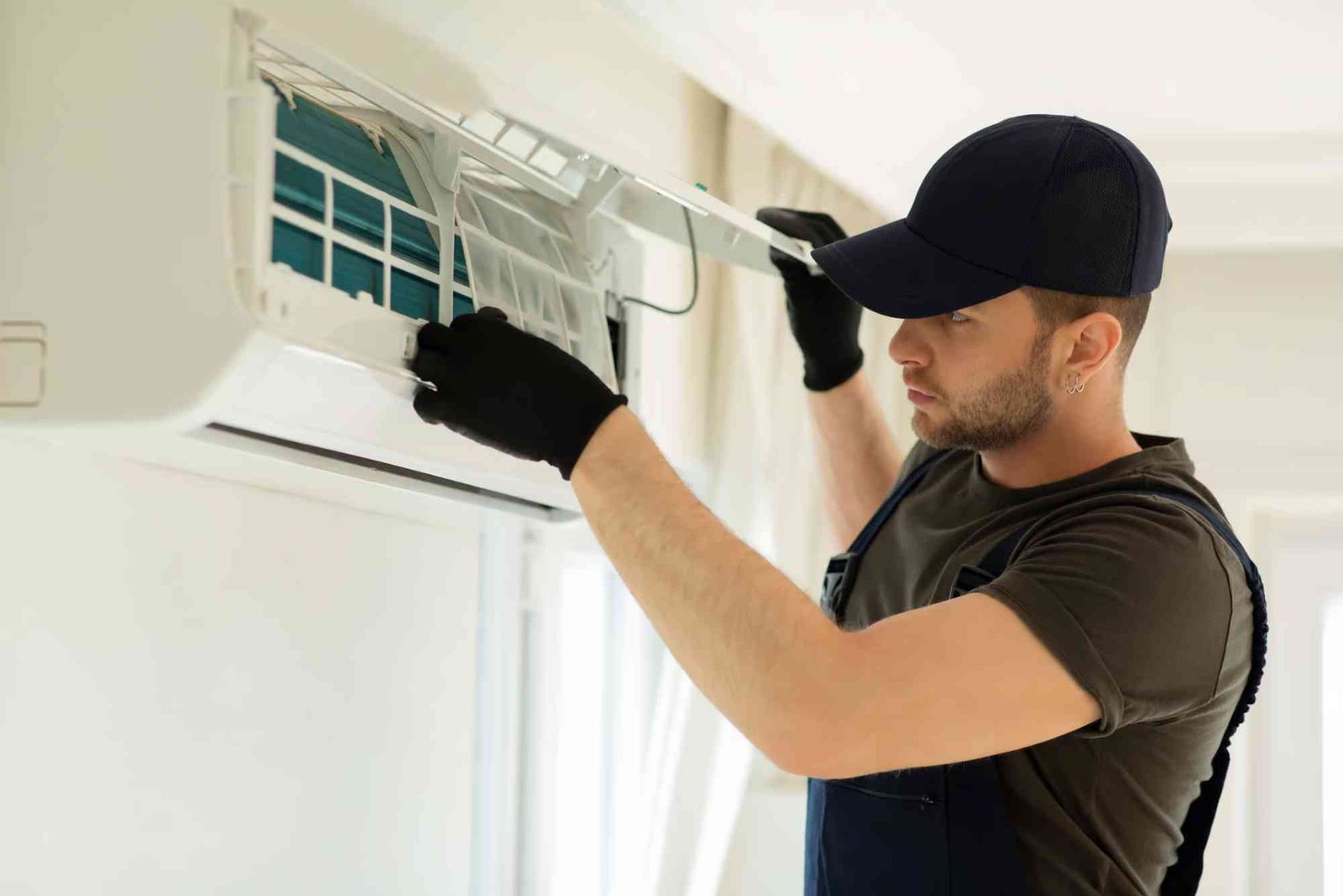
A new air conditioner is a significant investment, but buying a high-quality unit is only part of the equation. The quality of the installation can have a major influence on how efficiently the system operates, how often it needs repairs, and how long it remains dependable. Professional AC installation ensures that the equipment is correctly sized, positioned, connected, tested, and commissioned according to manufacturer requirements.
When an air conditioner is installed incorrectly, even an advanced and energy-efficient model can struggle. Poor refrigerant charging, restricted airflow, weak electrical connections, incorrect drainage, or unsuitable placement can place unnecessary stress on important components. Over time, that stress can contribute to premature wear and expensive failures. Carrier’s installation guidance similarly emphasizes correct sizing, airflow, installation practices, and final testing as important factors in maximizing efficiency and equipment lifespan.
For homeowners and property managers, investing in professional AC installation is therefore not simply about getting cool air on the day the system is installed. It is about creating the right operating conditions for years of reliable performance.
Why Professional AC Installation Matters for System Lifespan
An air conditioner is a combination of mechanical, electrical, and refrigeration components that must work together within specific operating conditions. Installation determines whether those components start their service life under the conditions for which they were designed.
A correctly installed system generally has better airflow, stable refrigerant performance, secure electrical connections, effective drainage, and appropriate clearances. These details help prevent avoidable stress on the compressor, fan motors, coils, and electronic controls.
By contrast, installation mistakes can force the system to run longer or harder than necessary. A unit that repeatedly struggles to reach the desired temperature may consume more electricity while experiencing greater wear.

Professional installation also provides an opportunity to identify problems before they become expensive. A qualified technician can assess the property, confirm equipment compatibility, check installation requirements, and test the system after installation.
Correct AC Sizing Prevents Unnecessary Wear
One of the most important parts of professional AC installation happens before the technician even mounts the equipment. The system needs to be appropriately sized for the property.
Why Oversized AC Systems Can Be a Problem
It may seem logical to choose a larger air conditioner because a bigger system should cool a room faster. However, an oversized system can cycle on and off more frequently instead of operating through longer, efficient cycles.
Frequent cycling can increase stress on electrical and mechanical components. It can also make temperature control less consistent and may affect humidity management.
Why Undersized Systems Can Struggle
An undersized air conditioner faces the opposite problem. It may run continuously during hot weather because it cannot comfortably meet the cooling demand.
Extended operation increases the workload placed on the compressor and other components. It can also result in higher electricity consumption and reduced comfort.
Professional installers evaluate factors such as room size, insulation, windows, occupancy, building orientation, and local climate conditions when determining the appropriate capacity. Proper sizing is one of the foundations of long-term system reliability.
Proper Refrigerant Installation Protects the Compressor
The compressor is one of the most important and expensive components in an air conditioning system. Refrigerant-related installation mistakes can therefore become serious problems.
During professional AC installation, technicians should follow the manufacturer’s requirements for refrigerant piping, connections, charging, and testing. The refrigerant circuit needs to be properly sealed and prepared before the system is placed into normal operation.
Avoiding Refrigerant Leaks
Poorly made connections can lead to refrigerant leaks. A system that gradually loses refrigerant may experience declining cooling performance and increased operating stress.
Rather than simply adding refrigerant whenever cooling becomes weak, technicians should investigate the underlying cause. If there is a leak, repairing the problem is essential for long-term reliability.
Preparing Refrigerant Lines Correctly
For systems requiring field-installed refrigerant lines, proper preparation is particularly important. Air and moisture should not be left in the refrigeration circuit, and installation procedures should follow the equipment manufacturer’s requirements.
Correct preparation helps establish stable operating conditions from the beginning and reduces the likelihood of avoidable refrigeration problems.
Professional Airflow Setup Reduces System Stress
Airflow is another major factor affecting AC performance and longevity. Even a powerful air conditioner cannot perform properly if air cannot move freely through the system.
During professional AC installation, technicians can assess indoor-unit positioning, ductwork where applicable, return-air requirements, filters, vents, and other airflow considerations.
Restricted airflow can cause the system to work harder and may contribute to coil icing, overheating, poor temperature control, and excessive runtime.
Indoor Unit Placement Matters
For split systems, the indoor unit should be positioned so that air can circulate effectively throughout the room. Poor positioning may create hot spots and force users to operate the system at unnecessarily low temperatures.
Professional placement helps distribute cooling more effectively while allowing the equipment to operate closer to its intended conditions.
Outdoor Unit Clearance Is Important
The outdoor condenser needs sufficient space for heat to escape. If the unit is installed too close to walls, surrounded by obstructions, or exposed to conditions that restrict airflow, heat rejection can become less effective.
Correct clearance allows the outdoor unit to operate efficiently and reduces unnecessary thermal stress.
Secure Mounting Helps Prevent Vibration and Damage
Air conditioning systems contain moving components, particularly fans and motors. Poor mounting can allow excessive vibration to develop during operation.
Professional installers use appropriate mounting methods and verify that indoor and outdoor components are secure and properly positioned.
Reducing unnecessary vibration can protect connections and mounting points while also minimizing noise. Over many years, attention to these seemingly small details can make a meaningful difference to equipment reliability.
Correct Electrical Connections Protect Critical Components
Modern air conditioners contain sensitive electronic components, particularly inverter models. Electrical installation therefore needs to be handled carefully.
A professional installer can verify that the electrical supply, wiring, disconnects, grounding, and protection requirements are appropriate for the equipment and installation environment.
Loose or incorrectly sized electrical connections can create heat and reliability problems. Proper connections reduce the risk of electrical faults and help the system receive stable power during operation.
This is another reason professional AC installation should not be treated as simply mounting an indoor unit and connecting a few wires.
Effective Drainage Prevents Water-Related Problems
Air conditioning systems remove moisture from indoor air during cooling. That moisture needs to drain away correctly.
An improperly installed drain line can result in water backing up, leaking around the indoor unit, damaging walls or ceilings, and encouraging mold or unpleasant odors.
Professional installers check drainage arrangements and ensure that the drain line has suitable routing and slope where required. Good drainage protects both the AC system and the surrounding property.
Professional Installation Helps Maintain Energy Efficiency
Efficiency and lifespan are closely connected because an inefficient system often has to work harder to deliver the same cooling result.
A properly installed system can operate closer to the performance levels intended by its manufacturer. Correct sizing, airflow, refrigerant setup, electrical connections, and equipment placement all contribute to this outcome.
Carrier notes that professional installation can help systems achieve peak performance and maximize energy savings and lifespan.
Lower energy consumption is an obvious financial advantage, but the long-term benefit is equally important: reducing unnecessary operating strain can help limit premature wear.
Commissioning Identifies Problems Before They Become Expensive
One of the biggest advantages of professional AC installation is the final testing stage.
Installation should not end when the technician switches the system on. A professional should verify that the equipment is operating correctly and check relevant performance indicators.
Testing Cooling Performance
The technician can confirm that the system is producing appropriate cooling and that indoor and outdoor components are operating as expected.
Checking Airflow and Drainage
Airflow and condensate drainage should also be assessed. Identifying an issue immediately is much better than discovering it several weeks later after the problem has caused damage.
Checking for Installation Defects
Professional commissioning provides a final opportunity to identify loose connections, unusual vibration, refrigerant-related issues, incorrect settings, or other installation defects.
This creates a strong starting point for future maintenance. Industry guidance emphasizes final system testing as part of a complete installation process.
Choosing the Right AC Supplier Also Matters
The installation process begins with choosing suitable equipment. A reliable supplier can help property owners identify models appropriate for the property’s cooling requirements and operating conditions.
If you are sourcing equipment for a new installation, working with an established o general ac distributor can make it easier to access suitable systems and product information.
For customers considering Carrier equipment, choosing an experienced carrier ac distributor can also help ensure that the selected system is appropriate for the intended application.
The key point is that equipment selection and installation should work together. Even an excellent AC unit cannot deliver its full potential if the installation does not match the manufacturer’s specifications.
Professional Installation Can Help Protect the Warranty
Warranty requirements vary by manufacturer and product, so homeowners should always review the specific terms supplied with their equipment.
However, proper installation records and adherence to manufacturer requirements can be valuable if a warranty issue occurs. A professional installation provides documentation and establishes that the equipment was installed according to an appropriate procedure.
It is also easier for a qualified technician to identify whether a problem is related to equipment failure, installation, maintenance, or another factor.
Keeping invoices, model numbers, installation records, and commissioning information is therefore a sensible part of protecting a major AC investment.
Professional AC Installation Is Especially Important for Inverter Systems
Inverter air conditioners use sophisticated electronics to vary compressor speed according to cooling demand. This can provide efficient and precise operation, but it also means installation needs to be carried out carefully.
Correct electrical connections, refrigerant setup, airflow, and system configuration are important for reliable inverter operation.
A qualified technician familiar with the specific model can follow the manufacturer’s installation requirements rather than relying on a generic installation approach.
The more advanced the equipment, the less sense it makes to compromise on the quality of installation.
Installation Alone Cannot Guarantee a Long AC Lifespan
It is important to understand that professional AC installation does not make an air conditioner immune to wear or failure.
An appropriately installed system still needs routine maintenance. Filters should be kept clean, outdoor coils should remain free of excessive dirt and obstruction, drainage should be monitored, and professional servicing should be carried out according to the equipment’s needs.
Climate, operating hours, indoor air quality, equipment quality, maintenance, and usage patterns all influence lifespan.
A professional installation simply gives the equipment the best possible starting conditions. Ongoing care then helps preserve those conditions.
Signs Your AC May Have an Installation-Related Problem
Some problems can appear soon after installation if the system was not set up correctly.
Unusual noises, poor cooling, water leakage, weak airflow, repeated cycling, unexplained increases in electricity consumption, or ice forming on components should not be ignored.
A new AC system should not be assumed to be “fine” simply because it turns on. If performance seems abnormal, contact a qualified technician and have the installation and system operation checked.
Early diagnosis is usually preferable to allowing a small installation issue to develop into a major component failure.
How Professional AC Installation Supports Long-Term Value
The true cost of an air conditioner includes more than its purchase price. Installation quality, electricity consumption, repairs, maintenance, and eventual replacement all contribute to the total cost of ownership.
Spending less on installation may appear attractive initially, but correcting poor workmanship later can be considerably more expensive.
Professional installation can help create a more efficient operating environment, reduce avoidable service problems, and support the equipment’s expected useful life. In practical terms, that means getting more value from the system you have already paid for.
A properly installed AC should not need to fight against poor airflow, incorrect sizing, unstable electrical connections, or inadequate drainage from its first day of operation.
How to Get the Most From Your New AC
Once your installation is complete, simple habits can help preserve performance. Use appropriate temperature settings rather than forcing the system to operate at extreme settings continuously. Keep filters clean, avoid blocking airflow, maintain adequate clearance around the outdoor unit, and arrange professional servicing when required.
Pay attention to changes in sound, cooling performance, airflow, or electricity consumption. These changes can provide early clues that something needs attention.
Most importantly, retain the installation documentation. It can help future technicians understand the original setup and make informed decisions during maintenance or repairs.
Invest in Professional AC Installation From Day One
An air conditioner is only as good as the conditions under which it operates. Professional AC installation helps establish those conditions by addressing system sizing, placement, airflow, refrigerant connections, electrical requirements, drainage, mounting, and final testing.
When these details are handled correctly, the equipment can operate more efficiently and with less unnecessary stress. That can reduce avoidable repairs, improve comfort, support energy efficiency, and help the system reach its expected service life.
If you are purchasing a new air conditioner or replacing an aging unit, do not treat installation as an afterthought. Choose appropriate equipment, work with qualified professionals, follow manufacturer requirements, and maintain the system properly after installation. Contact a trusted AC supplier and professional installer today to plan an installation designed for reliable, long-term cooling performance.
For readers looking to explore modern vaping products and related information, NeoVapex offers a convenient online destination. Visit the website to discover its available range, learn more about its offerings, and stay informed about the latest developments in the vaping space.
FAQs
How long does AC installation take?
A standard AC installation can often be completed within several hours, although the exact time depends on the system type, property, pipework, electrical requirements, and whether modifications are needed. Carrier states that a standard installation typically takes around four to eight hours, with more complex work taking longer.
Can I install an air conditioner myself?
DIY AC installation is generally not recommended, particularly for systems involving refrigerant handling and electrical work. Professional installation requires specialized knowledge and equipment, and mistakes can affect safety, performance, warranty requirements, and system lifespan.
How long does an air conditioner last?
There is no single lifespan that applies to every system. Equipment type, climate, usage, maintenance, installation quality, and product quality all influence longevity. Many residential systems can provide reliable service for well over a decade when properly installed and maintained.
Does professional installation really affect AC lifespan?
Yes. Correct installation can reduce unnecessary strain caused by problems such as incorrect sizing, poor airflow, refrigerant issues, and inadequate equipment placement. Professional installation gives the system the operating conditions it was designed to use.
Why is proper AC sizing important?
Correct sizing helps prevent both excessive cycling and continuous overworking. An oversized unit may cycle too frequently, while an undersized unit can run for extended periods trying to meet the cooling demand. Proper sizing supports comfort, efficiency, and long-term reliability.
Is professional AC installation worth the cost?
For most property owners, professional installation is a worthwhile investment because it helps protect an expensive piece of equipment from avoidable installation-related problems. Correct installation can also support efficiency, reliability, warranty protection, and long-term system value.
Related Reading: The Best Best Web Hosting For Web Designers Reviewed & Ranked for the GCC