Introduction
Vaping has transformed the modern landscape of nicotine consumption across the British Isles. Over the past decade, millions of adults have successfully transitioned away from traditional combustible cigarettes. Yet, this rapid shift has sparked widespread confusion, cultural anxiety, and a flood of misinformation. Walk down any high street, and you will hear conflicting stories about what is legal, what is banned, and where enforcement stands. Navigating these rules requires a clear understanding of the regulatory framework established by authorities.
To clear the air, we must look closely at the actual legislation governing electronic nicotine delivery systems. The truth is that while the UK maintains a progressive stance on harm reduction, it enforces strict quality controls. Misconceptions often stem from sensationalized headlines rather than official guidance. Whether you are a dedicated consumer, a retail business owner, or a curious observer, separating reality from fiction is essential. Let us explore the legislation in depth and debunk the most persistent myths surrounding vape laws UK.
Understanding the Legislative Framework in the UK
The foundation of modern vaping regulation began under the European Tobacco Products Directive, which was later integrated into British law. Following Brexit, the Medicines and Healthcare products Regulatory Agency took primary control of safety standards. These guidelines exist to protect public health while ensuring adult smokers retain access to reduced-risk alternatives. Furthermore, trading standards offices across local councils actively monitor compliance in retail stores and online platforms. Understanding this dual focus on safety and accessibility helps clarify why specific restrictions exist today.
Many critics assume that the government wants to outlaw vaping entirely, but official policy contradicts this narrative. Public Health England, now part of the UK Health Security Agency, has consistently recognized e-cigarettes as significantly less harmful than smoking. Consequently, the legal framework is designed to encourage adult switching while safeguarding children and non-users. Regulatory compliance ensures that every device sold meets rigorous emission and toxicity standards. You can read official updates directly on the <!–>GOV.UK — comprehensive e-cigarette regulation pages–><!–>.
Debunking Myth One: Vapes Are Completely Unregulated
A widespread misconception suggests that the vaping industry operates as a wild west with zero oversight. Critics often claim that manufacturers can put any chemical into e-liquids without facing legal consequences. In reality, the UK enforces some of the strictest manufacturing and distribution controls in the entire world. Every single tank, bottle of e-liquid, and disposable device must undergo rigorous notification processes before hitting shelves. Manufacturers must submit detailed ingredient lists and toxicological data to regulatory bodies months in advance.
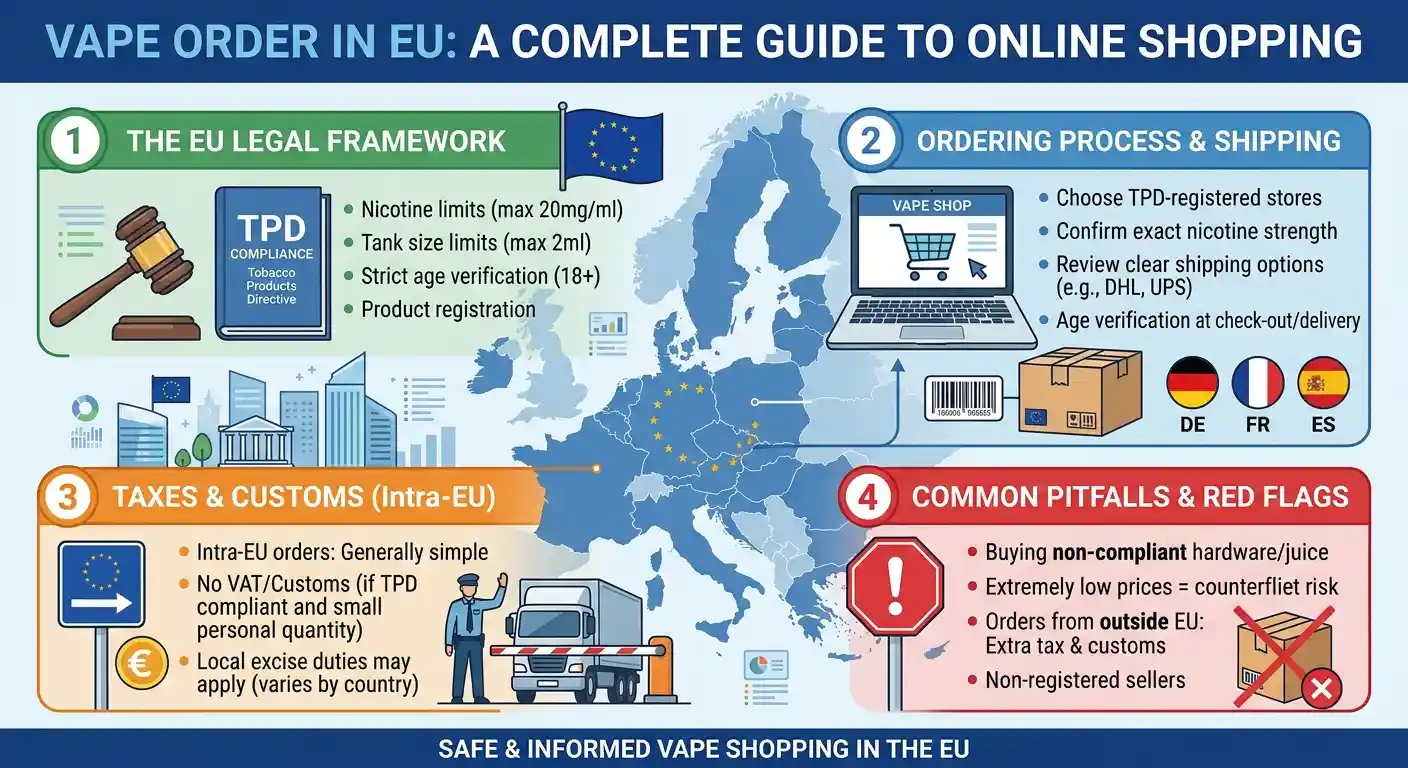
The law also imposes strict technical limitations on product design to protect consumer safety. For instance, nicotine-containing e-liquids are legally capped at a maximum strength of twenty milligrams per milliliter. Furthermore, standard tanks and pods cannot exceed a capacity of two milliliters, preventing excessive nicotine consumption. Refill containers for nicotine liquids are similarly restricted to a maximum volume of ten milliliters. These measures demonstrate that the market is heavily monitored rather than neglected by lawmakers.

Debunking Myth Two: Vaping Indoors Is Universally Banned by Law
Another common point of confusion involves where people are legally permitted to use their electronic devices. Many individuals assume that national legislation bans vaping in all indoor public spaces, offices, and hospitality venues. Legally speaking, the UK smokefree legislation enacted in 2007 applies strictly to tobacco and smoked substances. It does not automatically prohibit the use of electronic nicotine delivery systems in enclosed public areas. Therefore, no overarching national statute makes indoor vaping a criminal offense across the board.
However, private property owners, employers, and business managers retain the absolute legal right to set their own policies. This means that individual pubs, restaurants, trains, and workplaces can ban vaping on their premises. Ignoring these venue-specific rules can result in being asked to leave or refused service by management. The distinction lies between criminal law and private property rights rather than a universal statutory prohibition. Always check local signage or ask staff members before taking out your device indoors.
Debunking Myth Three: Selling Vapes to Minors Carries No Real Penalty
Protecting children and teenagers from accessing addictive substances remains a top priority for lawmakers and enforcement agencies. Despite this clear priority, a persistent myth suggests that underage sales are treated as minor infractions. In truth, selling any nicotine-containing product to anyone under the age of eighteen is entirely illegal. Trading standards officers treat this offense with extreme seriousness, deploying underage test purchasers to monitor compliance. Retailers caught breaking this rule face severe legal consequences that threaten their business operations.
Penalties for selling restricted goods to minors include substantial financial fines and potential imprisonment for repeat offenders. Additionally, local authorities have the power to revoke alcohol and tobacco licenses from non-compliant convenience stores. Responsible retailers implement robust age-verification procedures, such as challenge-25 policies, to prevent illegal transactions. Online vendors must also utilize reliable age-estimation technology before dispatching any age-restricted merchandise to residential addresses. The legal system ensures that negligent merchants face severe accountability for violating these protective boundaries.
Understanding UK vaping regulations can help consumers and retailers avoid confusion and stay compliant. From age restrictions to product standards and advertising rules, vape laws in the UK continue to evolve. Learn the facts behind common misconceptions and discover what current regulations mean for vaping products and users.
Debunking Myth Four: All Disposable Vapes Are Completely Illegal
Recent headlines regarding environmental concerns and youth uptake have generated massive confusion about single-use devices. A prevalent rumor claims that disposable vapes have been outlawed entirely across England, Scotland, Wales, and Northern Ireland. While policymakers have introduced aggressive legislative measures to restrict their availability, nuance is crucial here. The UK government announced upcoming bans on disposable products due to surging youth usage and environmental waste. However, these legislative changes require specific parliamentary timelines and transitional periods to take effect properly.
Until the official ban fully comes into force, compliance with existing safety standards remains mandatory for all inventory. Disposables must still adhere to the two-milliliter liquid limit and the twenty-milligram nicotine cap. Retailers selling non-compliant, oversized, or counterfeit single-use units face immediate product seizures and heavy financial penalties. Consumers should remain vigilant, ensuring they purchase legitimate, notified products from reputable stockists rather than illicit black-market sources. Staying informed about upcoming legislative transitions prevents confusion as the legal landscape continues to evolve rapidly.
Navigating Advertising and Marketing Restrictions Legally
Marketing rules represent another area where myths often overshadow actual legal statutes across the nation. Some critics believe that vape brands can advertise freely on television, billboards, and social media platforms. Conversely, strict regulations prohibit the promotion of nicotine-containing products across most mainstream media channels. Broadcasters cannot air commercials for e-cigarettes during television or radio programs viewed by young audiences. Print media, billboards, and internet banner advertisements face equally stringent limitations designed to protect minors.
Nevertheless, specialized trade publications, adult-facing retail websites, and point-of-sale displays enjoy certain legal exemptions. These permitted channels allow manufacturers to communicate product specifications responsibly to existing adult smokers looking to switch. Every piece of promotional material must remain factual, avoiding misleading health claims or targeting non-smokers. Regulatory watchdogs actively monitor marketing campaigns to ensure compliance with the overarching advertising codes of practice. Understanding these boundaries helps consumers recognize ethical branding versus illicit promotional practices in the market.
The Future of Vaping Regulations in the UK
As scientific research progresses and market trends shift, the legislative landscape will undoubtedly experience further refinement. Lawmakers continuously evaluate public health data to strike the right balance between harm reduction and youth protection. Future policy adjustments may introduce stricter packaging requirements,
Discover a reliable online destination for useful information, helpful resources, and modern solutions designed to make everyday needs easier. Neovapex offers a convenient platform where visitors can explore relevant content and learn more about services, products, and practical ideas. Visit the website to discover more and stay connected with the latest updates.
Frequently Asked Questions
Is it illegal to vape in public places in the UK?
National law does not ban vaping in all public spaces, but private venues can prohibit it. Property owners set their own rules regarding indoor use on their premises.
What is the legal age to buy vapes in the UK?
The legal minimum age to purchase nicotine-containing e-cigarettes and related products is eighteen years old. Retailers must verify age before completing any sale.
Can I bring vapes into the UK from abroad?
Adult travelers can bring personal-use devices and e-liquids into the country, provided they comply with customs allowances. Commercial imports require strict regulatory notifications and safety testing.
Are high-strength e-liquids legal to purchase?
E-liquids containing more than twenty milligrams per milliliter of nicotine are illegal for commercial sale in the UK. Standard retail products must strictly respect this legal threshold.
Conclusion
Debunking the myths surrounding vape laws reveals a well-structured regulatory environment focused on safety. While misinformation creates unnecessary fear, official rules prioritize adult access while protecting minors. Understanding your rights and responsibilities ensures a smooth, lawful vaping experience across the UK. Take a moment to review your local policies, stay informed about upcoming changes, and shop responsibly. Share this guide with fellow vapers to help spread accurate facts and dispel common misconceptions today.
–>
Related Reading: Debunking the Myth: New Vape Laws California
Related Reading: Debunking the Myth: Laws on vaping driving
Related Reading: Fumot Vape Guide 2026: Features, Flavors, and Why It's Popular — full guide
Related Reading: Debunking the Myth: Building vapes laws
Related Reading: Debunking the Myth: Vape Shop Laws nj
Related Reading: Debunking the Myth: Tpd Vape Law