
Introduction
Technology continues to influence how people interact with everyday products. Vaping devices are also becoming more technologically advanced. Modern smart vapes may include digital displays, usage monitoring, Bluetooth connectivity, and mobile applications. These features are changing conversations about device awareness and personal responsibility.
Understanding How Smart Vapes Promote Responsible Usage in Young Adults requires looking beyond convenience and innovation. Responsible behavior involves understanding nicotine addiction, recognizing health risks, and making informed decisions. Although smart technology can provide useful information, it cannot eliminate the risks associated with vaping.
Young adults face particular challenges because their brains continue developing until approximately age 25. Nicotine exposure during this period can affect attention, learning, mood, and impulse control. Therefore, preventing nicotine use remains more important than introducing advanced vaping technology.
Understanding Smart Vapes and Their Technology
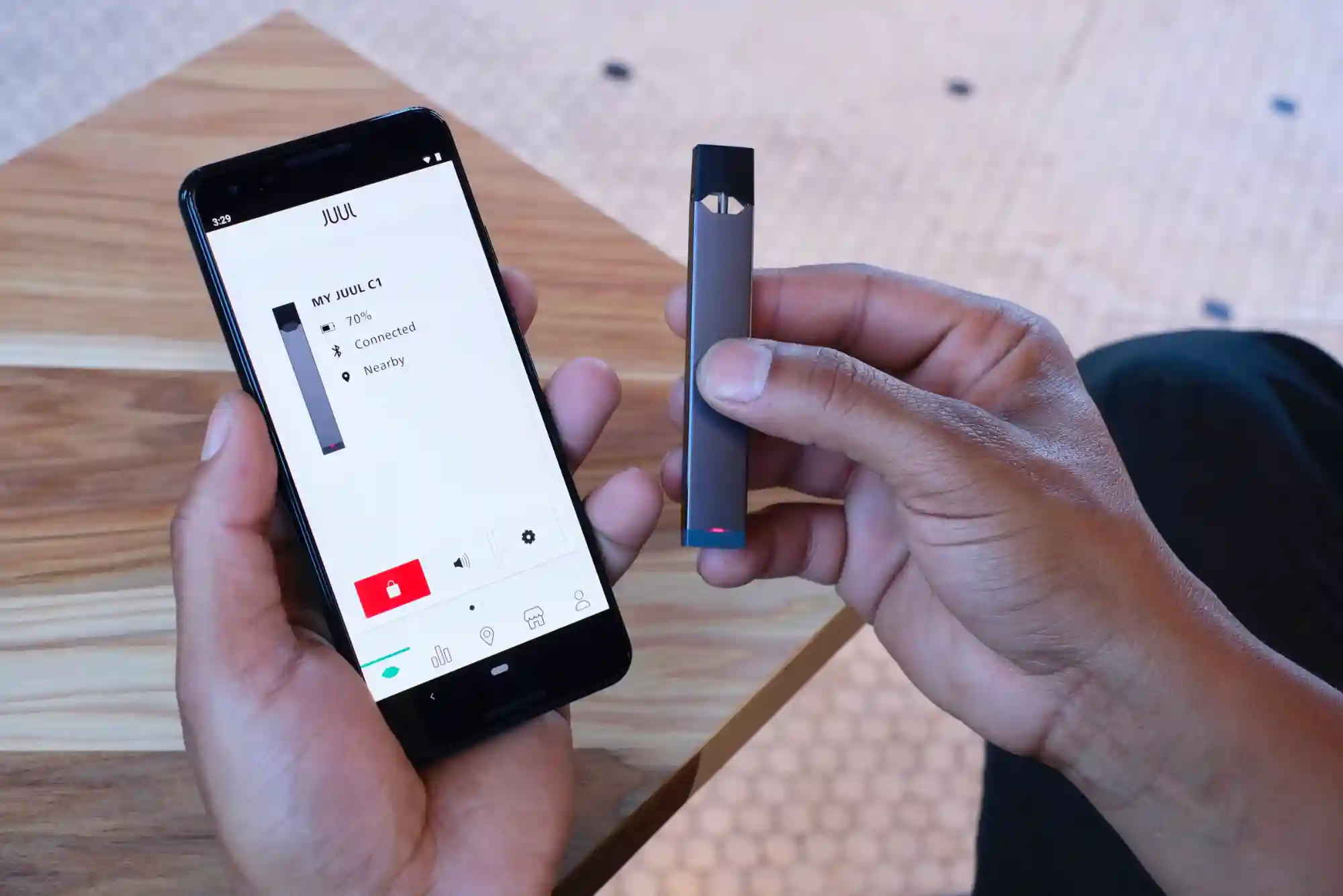
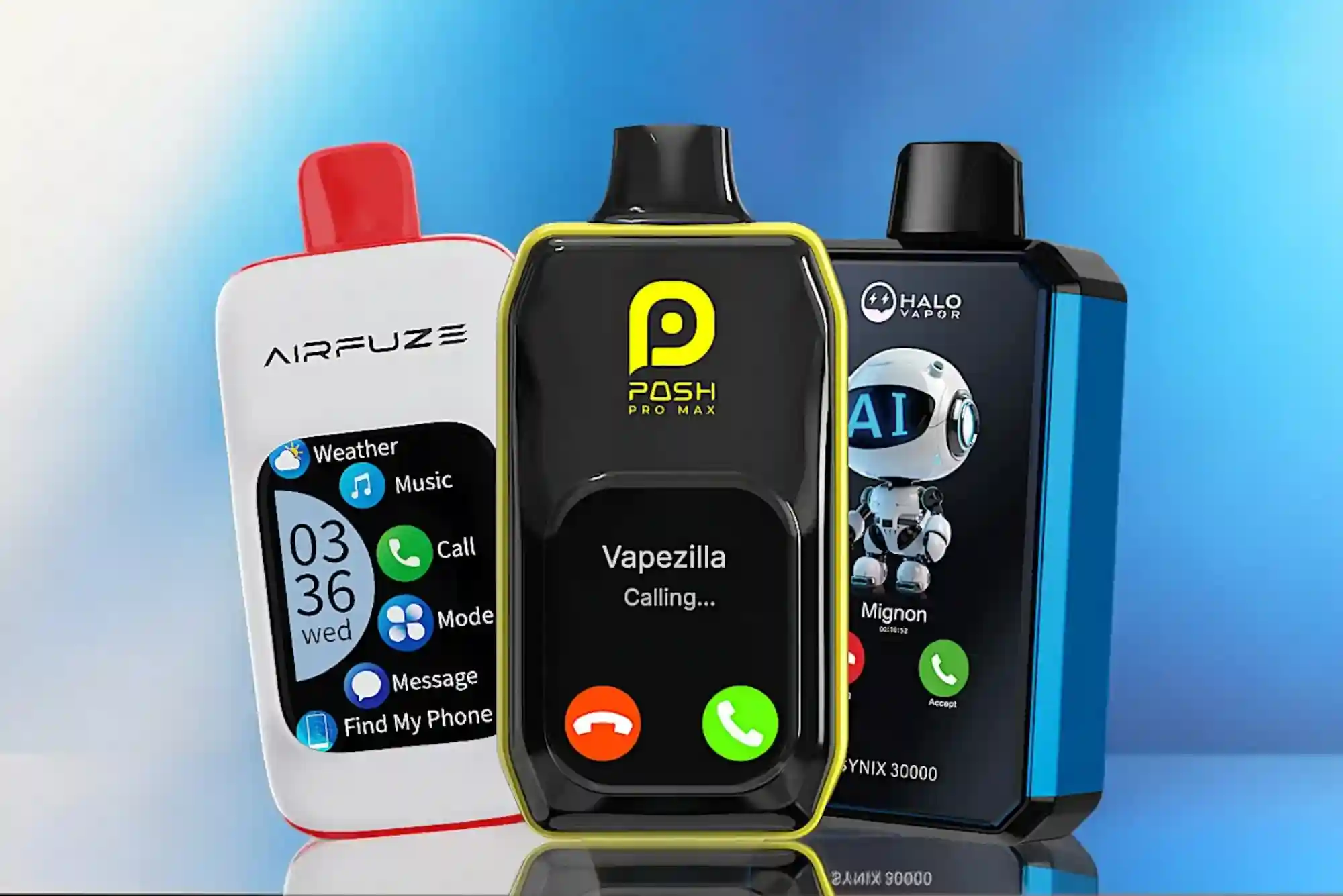
Smart vapes are electronic vaping devices that may incorporate digital technology to monitor certain functions. Depending on their design, these devices can include screens, electronic controls, connectivity features, and software-based monitoring.
Unlike basic devices, some connected models provide information about battery conditions, device performance, and usage patterns. However, these features vary considerably between manufacturers.
The growing interest in smart technology creates an opportunity to discuss product awareness. Users can better understand how electronic devices operate and why responsible decisions matter.

Nevertheless, technological improvements should never be confused with health improvements. A smart vape is still an electronic nicotine delivery product when it contains nicotine.
How Smart Vapes Promote Responsible Usage in Young Adults
The discussion surrounding smart vaping technology often focuses on awareness and behavioral responsibility. Several digital features may help adult users understand their device interactions. However, these features should support education rather than encourage nicotine consumption among young people.
Usage Monitoring and Personal Awareness
Some smart devices record basic usage information. Depending on the model, users may access information through a digital display or connected application.
Such information can help individuals recognize patterns in their behavior. For example, awareness of frequent device interactions may encourage someone to reconsider their habits.
However, monitoring does not automatically reduce nicotine dependence. A person can understand their usage patterns and still struggle with addiction.
For young adults, the better approach is prevention, education, and access to reliable cessation support.
Digital Information and Better Decision-Making
Smart technology can make certain product details easier to understand. Digital interfaces may display battery information, device settings, and maintenance notifications.
Access to clear information can encourage informed decisions about electronic products. It also creates opportunities for conversations about nicotine content and potential health consequences.
However, consumers should not assume that digital displays provide complete information about product safety.
Young adults need accurate health education from credible sources. Understanding the risks is more valuable than relying on technological features.
Understanding Nicotine Dependence
Nicotine addiction is an important concern when discussing responsible vaping. Most e-cigarettes contain nicotine, which is highly addictive.
The developing brain is particularly vulnerable to nicotine exposure. According to the CDC, nicotine can affect brain areas responsible for attention, learning, mood, and impulse control.
Smart monitoring cannot prevent these biological effects. Instead, educational resources should explain how dependence develops and why avoiding nicotine is important.
Young adults who already vape should have access to supportive conversations and professional guidance. They should never feel that technology alone can solve nicotine addiction.
The Importance of Preventing Youth Vaping
Preventing vaping among young people requires more than introducing advanced devices. Families, educators, healthcare professionals, and communities all have important responsibilities.
Young people may encounter vaping through social media, advertising, peer influence, and attractive product designs. These influences can create misleading impressions about nicotine products.
Education helps challenge these misconceptions. Young adults should understand that vaping aerosol is not simply harmless water vapor. It may contain nicotine, harmful chemicals, and tiny particles that enter the lungs.
Effective prevention also requires honest communication. Parents and educators should discuss nicotine risks without unnecessary judgment or pressure.
For additional guidance on preventing youth vaping and promoting responsibility, the CDC provides useful educational information about e-cigarette risks and prevention strategies.
How Technology Can Support Better Health Awareness
Technology can play a valuable role in improving public understanding of nicotine products. However, its greatest contribution may come through educational applications and digital health resources rather than vaping devices themselves.
Educational Applications and Awareness Campaigns
Digital educational platforms can explain nicotine addiction, vaping risks, and the importance of avoiding tobacco products.
Interactive lessons, informative videos, and accessible health resources can help young adults evaluate misleading claims.
These tools also make reliable information easier to access. Consequently, young people can develop stronger decision-making skills.
Encouraging Healthier Alternatives
Many young adults experience stress because of education, employment, relationships, and financial responsibilities.
Some may mistakenly view nicotine as a convenient way to manage these pressures. However, dependence can create additional stress and withdrawal symptoms.
Healthy alternatives include physical activity, adequate sleep, relaxation techniques, and conversations with trusted people.
Building positive coping habits can reduce the appeal of nicotine products. It also supports better long-term physical and emotional well-being.
The Role of Parents, Educators, and Communities
Technology alone cannot prevent youth vaping. Meaningful progress requires cooperation between families, educational institutions, healthcare professionals, and local communities.
Parents can encourage open conversations about vaping. Rather than relying on punishment, they should explain nicotine addiction and listen to young people’s concerns.
Schools can introduce evidence-based educational programs. These programs should address advertising influences, peer pressure, nicotine dependence, and the health consequences of vaping.
Healthcare professionals can provide confidential guidance and appropriate cessation support. They can also identify early signs of nicotine dependence.
Community organizations can strengthen these efforts through awareness campaigns and accessible educational resources.
Together, these approaches create an environment where young people feel comfortable asking questions and making healthier choices.
Why Smart Features Do Not Make Vaping Safe
An important misconception is that advanced technology automatically makes electronic products safer. This assumption is particularly concerning when discussing nicotine devices.
Digital screens, connected applications, and electronic controls cannot remove nicotine from a product. They also cannot eliminate harmful substances present in vaping aerosol.
The CDC clearly states that no tobacco products, including e-cigarettes, are safe for children, teenagers, and young adults.
Furthermore, smart features may create a false sense of security if manufacturers present technology as a substitute for health precautions.
Responsible communication must therefore prioritize accurate health information. Technology should never be promoted as a reason for young people to begin vaping.
The Future of Smart Vape Technology and Responsible Behavior
The future of connected electronic devices will likely involve more advanced monitoring and digital interfaces. These developments may improve general product information and electronic device management.
However, the vaping industry must consider how product design and marketing influence younger audiences.
Age-appropriate communication, compliance with applicable regulations, and responsible advertising are essential. Manufacturers should avoid promotional approaches that appeal to teenagers or present nicotine products as lifestyle accessories.
Public health organizations should also continue supporting prevention campaigns and independent research.
Ultimately, responsible innovation means prioritizing public health rather than simply adding more digital features to existing products.
Conclusion
Understanding How Smart Vapes Promote Responsible Usage in Young Adults requires separating technological innovation from genuine health responsibility. Smart features may improve product awareness, but they cannot prevent nicotine addiction or make vaping harmless.
Before purchasing a smart vape device, it is important to understand its warranty coverage. Many manufacturers offer warranties that protect against certain manufacturing defects and hardware issues. Knowing the warranty period, coverage terms, and replacement policies can help buyers make informed decisions and avoid unexpected repair costs.
Frequently Asked Questions
Are smart vapes safer than regular vapes?
Not necessarily. Smart features may provide additional device information, but they do not eliminate nicotine or harmful substances. No vaping product should be considered safe for young adults.
Can smart vapes help prevent nicotine addiction?
Smart monitoring cannot reliably prevent nicotine addiction. Although some features may provide usage information, nicotine dependence involves biological and behavioral processes. Prevention and professional cessation support remain important.
Why is vaping harmful to young adults?
Nicotine can affect brain development, which continues until approximately age 25. Exposure may influence attention, learning, mood, and impulse control. Vaping aerosol can also contain potentially harmful substances.
How can young adults avoid vaping?
Young adults can avoid vaping by understanding nicotine risks, resisting peer pressure, choosing healthy stress-management activities, and avoiding environments that encourage nicotine use. Support from trusted people can also help.
What role do parents play in preventing youth vaping?
Parents can provide accurate information, encourage open conversations, recognize warning signs, and support healthier habits. A supportive approach can make it easier for young people to discuss vaping concerns.
Technology continues to transform the vaping industry, bringing innovation, modern designs, and smarter device features to adult consumers. Whether exploring the latest vaping trends, learning about device technology, or understanding responsible usage, staying informed is essential. NeoVapex offers an online destination for discovering vaping-related information, industry developments, and modern perspectives on vape technology.