Introduction
Vaping has become a popular alternative to traditional smoking, offering users a variety of flavors and experiences. Among the many innovations in the vaping world, alcohol vapes have emerged, allowing users to inhale vaporized alcohol. While this may sound intriguing to some, it’s crucial to understand the associated risks. Additionally, ensuring battery safety is paramount to prevent accidents. This article delves into the world of alcohol vapes, their risks, and essential battery safety tips every vaper should know.
Understanding Alcohol Vapes
What Are Alcohol Vapes?
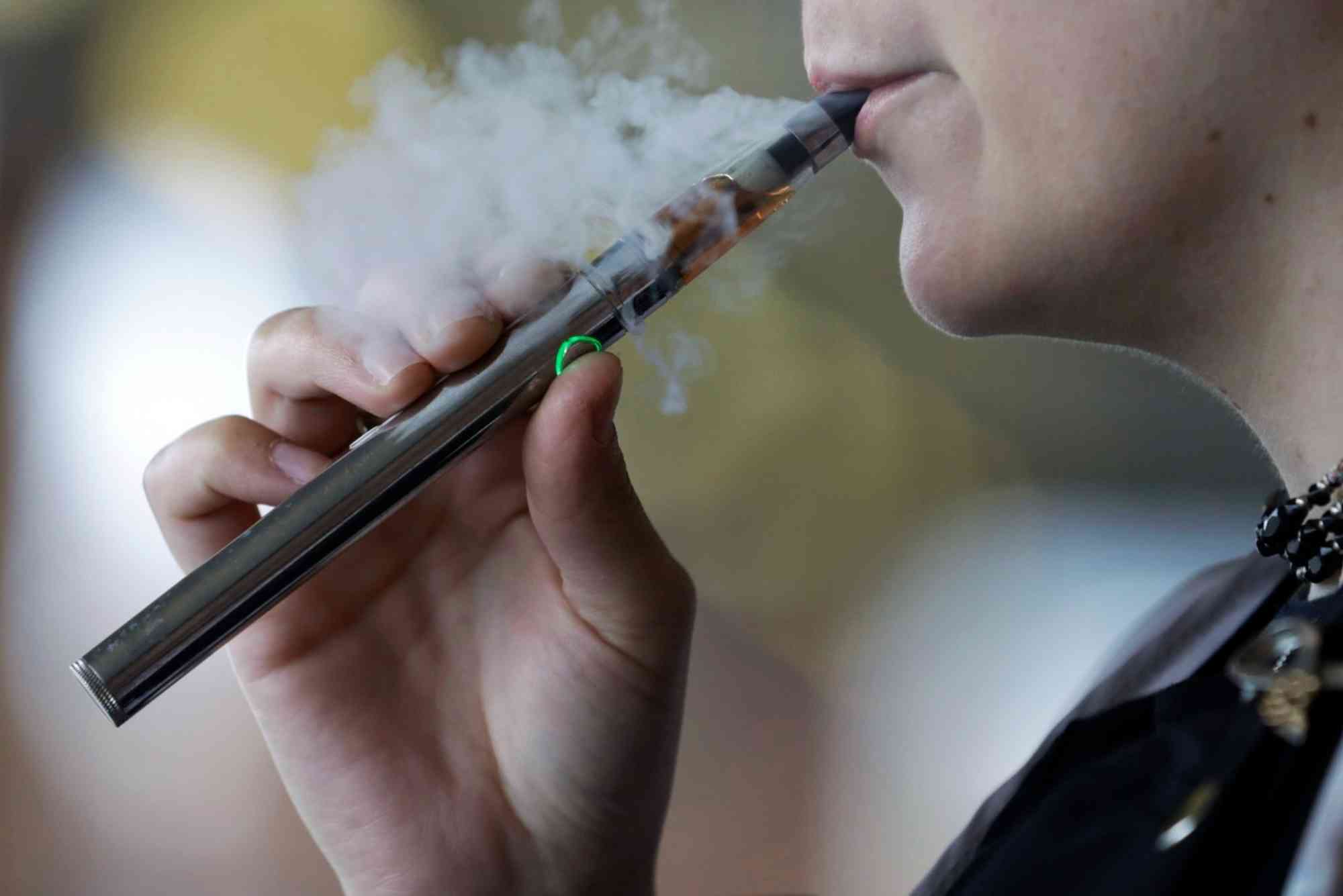
Alcohol vapes are devices designed to vaporize alcohol, allowing users to inhale it directly into their lungs. This method bypasses the digestive system, leading to faster absorption into the bloodstream.
How Do They Work?
These devices typically use a heating element to vaporize alcohol, which is then inhaled through a mouthpiece. The rapid absorption can lead to quicker intoxication compared to traditional drinking methods.
Risks of Vaping Alcohol
Rapid Intoxication
Inhaling alcohol vapor leads to faster absorption into the bloodstream, increasing the risk of rapid intoxication. This can impair judgment and coordination more quickly than consuming alcohol orally.
Alcohol Poisoning
The quick absorption of alcohol vapor makes it challenging to gauge consumption, increasing the risk of alcohol poisoning. Symptoms include confusion, vomiting, seizures, and even death in severe cases.
Lung Damage
Inhaling alcohol vapor can irritate the lungs, leading to inflammation and potential long-term respiratory issues. The chemicals in the vapor can also damage lung tissue over time.
Addiction Potential
The rapid onset of effects from inhaling alcohol vapor may increase the risk of developing addictive behaviors, as users may seek the quick “buzz” associated with this method.
Battery Safety: A Vaper’s Priority
Importance of Battery Safety
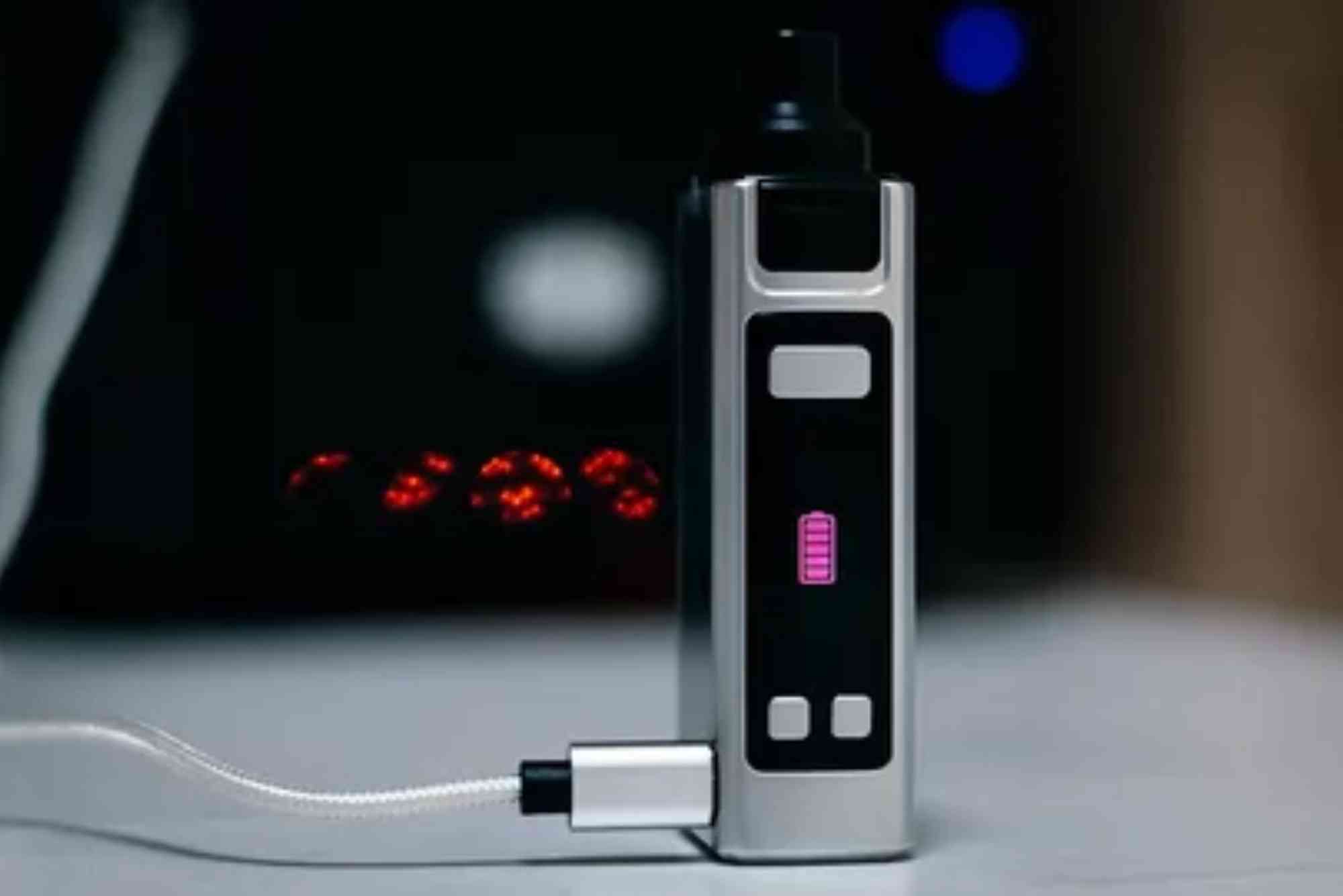
Vaping devices rely on lithium-ion batteries, which, if mishandled, can pose significant risks, including fires and explosions. Ensuring proper battery safety is essential for every vaper.
Tips for Safe Battery Use
- Use the Correct Charger: Always use the charger provided with your device to prevent overcharging and potential battery failure.
- Avoid Overcharging: Never leave your device charging unattended or overnight to reduce the risk of overheating.
- Inspect Batteries Regularly: Check for signs of wear, corrosion, or damage. Replace any compromised batteries immediately.
- Store Properly: Keep batteries in a cool, dry place, away from direct sunlight and extreme temperatures.
- Use Battery Cases: When transporting spare batteries, use protective cases to prevent short circuits and potential fires.
Combining Alcohol Vapes and Traditional Vaping
Increased Health Risks
Using alcohol vapes in conjunction with traditional nicotine vapes can amplify health risks. The combined effects on the lungs and cardiovascular system can be detrimental.
Impaired Judgment
The simultaneous use of alcohol and nicotine can impair judgment and coordination, increasing the likelihood of accidents and risky behaviors.
Potential for Overuse
The rapid onset of effects from both substances may lead users to consume more than intended, increasing the risk of adverse health outcomes.
Legal and Regulatory Considerations
Legality of Alcohol Vapes
The legality of alcohol vapes varies by region. In many places, these devices are not approved for sale due to health and safety concerns. It’s essential to be aware of local regulations before purchasing or using such devices.
Age Restrictions
Similar to traditional alcohol consumption, there are often age restrictions associated with alcohol vapes. Ensure you are of legal age in your jurisdiction before considering their use.
While alcohol vapes may seem like an innovative way to experience alcohol, they come with significant health and safety risks. The rapid absorption into the bloodstream increases the potential for alcohol poisoning and lung damage. Coupled with the importance of battery safety, vapers must be diligent in their practices to ensure a safe experience. Always stay informed about the latest research and regulations to make educated decisions regarding vaping.
FAQs
1. Are alcohol vapes legal?
The legality of alcohol vapes varies by location. It’s essential to check local laws and regulations before purchasing or using such devices.
2. Can vaping alcohol lead to addiction?
Yes, the rapid delivery of alcohol to the brain can increase its addictive properties, potentially leading to alcohol use disorder.
3. How can I ensure my vape battery is safe?
Regularly inspect the battery for any signs of damage, avoid overcharging, store it properly, and clean the contacts regularly.
4. Are there safer alternatives to alcohol vaping?
Yes, nicotine-free e-liquids or herbal vaporizers can provide a safer vaping experience without the risks associated with alcohol.
5. What should I do if my vape battery shows signs of damage?
Immediately discontinue use and dispose of the damaged battery according to local electronic waste disposal guidelines.