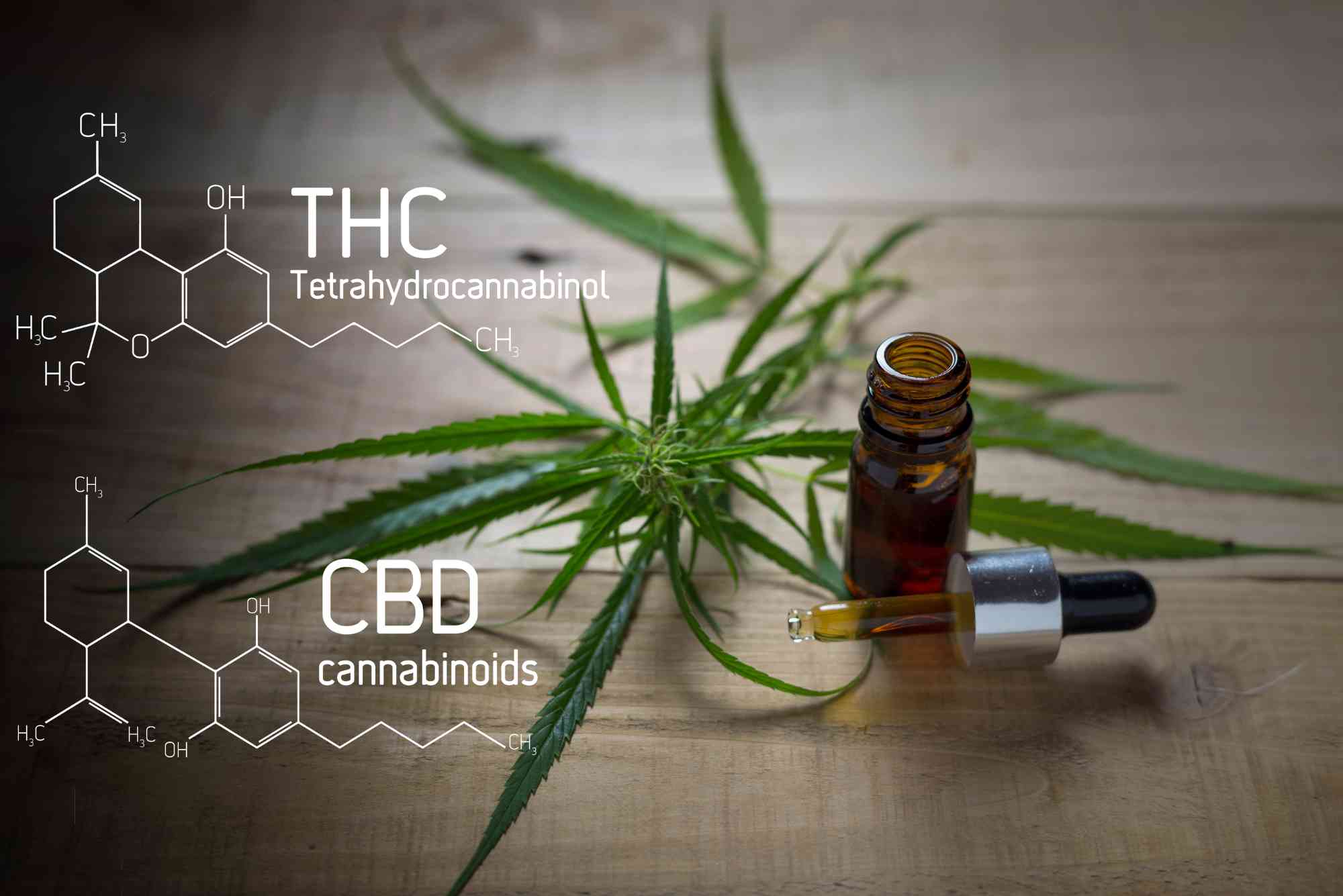
CBD vs THC: What’s the Difference & Why It Matters in the UAE
In the UAE, conversations around cannabinoids like CBD and THC are becoming more common, yet confusion remains. What exactly is the difference between CBD and THC, and why does it matter in the UAE? These compounds, both derived from cannabis, play different roles, especially within the strict legal and cultural frameworks of the United Arab Emirates. If you’re curious about their uses, effects, and legal status in the region, this guide breaks it down for you. Whether you’re a resident researching alternative wellness methods or an expat unsure about the rules, understanding CBD vs THC UAE is crucial to making informed decisions.
What Are CBD and THC?
CBD (cannabidiol) and THC (tetrahydrocannabinol) are the two most prominent cannabinoids found in cannabis plants. Though they share a botanical origin, their effects and legal status in many countries—including the UAE—differ significantly. CBD is non-intoxicating and often used for wellness and therapeutic purposes such as reducing anxiety, inflammation, and pain. THC, on the other hand, is psychoactive and responsible for the “high” associated with cannabis use.
Both compounds interact with the body’s endocannabinoid system, which regulates mood, appetite, sleep, and immune function. However, they bind to receptors differently, leading to very different outcomes. In most countries, this pharmacological difference shapes the legal and medical perception of each compound.
Why the Distinction Matters in the UAE
In the UAE, drug laws are among the strictest in the world. The possession or use of cannabis, including products containing THC, is strictly prohibited and can lead to severe penalties, including imprisonment and deportation. Therefore, understanding the THC content in any substance is critical. While some forms of CBD are technically legal under UAE regulations, they must be 100% free of THC. Even trace amounts can result in criminal charges. This legal distinction makes the “CBD vs THC UAE” debate not only medical or philosophical—it’s a matter of law, personal safety, and cultural respect.
The Legal Landscape: What You Need to Know
The legal framework in the UAE distinguishes between banned narcotic substances and therapeutic alternatives. THC is unequivocally listed as a banned substance. As a result, any product containing it—even in small, trace amounts—falls under narcotic control.
CBD is treated with slightly more nuance. In 2021, UAE authorities adjusted federal drug laws, allowing for the use of CBD in topical and non-ingestible products like skin creams and lotions, provided these contain no THC whatsoever. Edible or ingestible CBD products remain prohibited due to the risk of contamination with THC and the possibility of misuse. Always check product labels carefully and avoid bringing any CBD oils, capsules, or gummies into the country. Many travelers have faced legal trouble for carrying CBD-laced products unaware of their full composition.
Health Effects of CBD vs THC
The health impacts of CBD and THC further emphasize their functional and legal separation. CBD is widely researched for its potential to treat conditions such as chronic pain, anxiety disorders, epilepsy, and sleep issues. Unlike THC, it doesn’t impair cognition or motor skills, making it a safer alternative for daily use—especially in a country like the UAE where strict laws demand mental clarity and control.
THC’s health effects are more complex. It can offer pain relief and assist with conditions like nausea or lack of appetite, but it also has side effects such as paranoia, hallucinations, and addiction potential. These psychoactive effects contribute to its strict regulation globally, and in the UAE, they justify the complete prohibition.
For residents and healthcare professionals in the UAE, the therapeutic use of cannabinoids must prioritize non-psychoactive options. CBD’s calming, non-addictive profile fits this goal—but only in its purest form.
Why Purity Matters
In the context of the UAE, product purity isn’t just a marketing claim—it’s a legal necessity. Even trace amounts of THC in a CBD product can turn a harmless supplement into a criminal offense. This is why sourcing CBD from reputable, internationally certified manufacturers is essential. Third-party lab testing, certificate of analysis, and clear ingredient labeling are non-negotiables.
In addition, users must avoid products marketed as “full-spectrum CBD,” which usually contain trace amounts of THC. Opt instead for “CBD isolate” or “broad-spectrum CBD” that is clearly labeled THC-free. Many travelers have faced arrests in the UAE after customs officials detected THC in what they assumed were harmless wellness products. In the CBD vs THC UAE conversation, this underscores why knowledge and caution are vital.
Cultural and Social Considerations
The cultural context of the UAE also plays a role in how cannabinoids are viewed. As an Islamic country, the UAE promotes a lifestyle free of intoxicants. Alcohol is tightly controlled, and any association with mind-altering substances, including cannabis, is heavily stigmatized. Public perception often doesn’t distinguish between CBD and THC. Both are lumped together as “drugs,” and even a hint of association can affect your reputation, employment, or residency.
For those working in sensitive industries like aviation, healthcare, or government, testing positive for THC—even accidentally—can result in job loss or deportation. Employers often conduct random drug screenings, and ignorance of the law offers no protection. Therefore, using CBD products in the UAE, even legal ones, demands careful vetting and discretion.
The Role of the Endocannabinoid System
Understanding how CBD and THC function biologically helps make sense of their different effects. The endocannabinoid system (ECS) is a network of receptors in the body that regulates key physiological processes like pain, stress response, immune function, and sleep. CBD indirectly interacts with CB1 and CB2 receptors to promote balance or “homeostasis” without producing a high.
THC binds directly to CB1 receptors in the brain, which leads to altered mood, perception, and coordination—what we recognize as the cannabis “high.” This key difference in interaction explains why CBD is considered therapeutic while THC is viewed as intoxicating.
In the UAE, where mental alertness and public behavior are critical cultural values, the effects of THC are incompatible with societal expectations, reinforcing the importance of the “CBD vs THC UAE” discussion.
Medical Use and Global Trends
Globally, the medical use of both CBD and THC is increasing, with many countries legalizing cannabis for therapeutic purposes. However, this trend is not mirrored in the UAE, where the risks of misuse outweigh perceived benefits. While other nations allow THC-based medications for conditions like cancer or multiple sclerosis, the UAE focuses exclusively on safe, controlled, and non-psychoactive treatments.
Medical professionals in the UAE can recommend certain types of pharmaceutical-grade CBD under strict regulation. But self-medication or importing non-prescribed products is illegal. Anyone considering cannabinoid-based therapies should consult a licensed physician and ensure any product used is free of THC.
Travel Considerations: What Tourists Should Know
If you’re traveling to the UAE, extra caution is needed. Even if CBD is legal in your home country, carrying it through UAE customs could result in arrest. Airport scanners and drug-sniffing dogs are trained to detect cannabinoids. Declaring such items won’t save you—they’re still considered contraband if they contain any THC.
Always check your luggage for wellness products, skincare, or supplements that may include CBD. Many lip balms, oils, and muscle rubs sold overseas contain cannabinoids. Dispose of these before entering the country or risk legal consequences.
Stay Safe, Stay Informed
Understanding the difference between CBD and THC is important everywhere, but in the UAE, it’s absolutely essential. The laws leave no room for error, and even unintentional possession of THC can lead to serious legal trouble. CBD has potential benefits and limited legal acceptance when it’s 100% THC-free, but it should still be approached with caution.
Whether you’re a resident exploring natural wellness alternatives or a tourist visiting the country, the key takeaway is this: always verify product contents, avoid anything with THC, and consult a healthcare professional before considering cannabinoid use in the UAE.
If you’re considering CBD for health and wellness in the UAE, make sure you consult a certified medical expert and verify that your product is THC-free. Knowledge is protection—stay informed and stay safe.
FAQ:
Q: Is CBD legal in the UAE?
A: CBD is legal in the UAE only in non-ingestible forms like skincare, provided it contains zero THC. Edibles and oils are banned.
Q: Can I bring CBD products into the UAE?
A: No. Even if CBD is legal in your country, bringing it into the UAE is risky and can lead to arrest if any trace of THC is found.
Q: What’s the difference between CBD and THC?
A: CBD is non-psychoactive and used for wellness; THC causes a high and is banned in the UAE. Both come from cannabis but have different effects.
Q: Will I test positive for drugs if I use CBD?
A: If your CBD product contains any THC, even trace amounts, you could fail a drug test. Always use THC-free (CBD isolate) products.
Q: Are there medical uses for CBD in the UAE?
A: Yes, but only under strict medical supervision and with approved, THC-free products. Self-medication is not allowed.
Q: Why is THC banned in the UAE?
A: THC is considered a narcotic in UAE law due to its psychoactive properties. It’s associated with altered perception and potential abuse.