
Vaping and e‑cigarettes remain hot topics, yet misinformation still spreads online. In this article, Debunking the Myth: E cigarette reviews cuts through confusion with clear, evidence‑based insight. You’ll find research‑backed explanations, real concerns, and balanced perspectives. Whether you are curious about harm reduction, quitting smoking, or simply want clarity, this blog answers your questions in a human voice and readable pace.
Introduction: Why We Need Real Answers
Everywhere you look, someone has an opinion on vaping. Some claim e‑cigarettes are miracle quit tools. Others warn they are equally dangerous as tobacco cigarettes. With such polarized voices, it’s no wonder smokers and non‑smokers alike feel lost.
Debunking the Myth: E cigarette reviews isn’t about taking sides. It’s about examining evidence, understanding what reputable researchers say, and clarifying common misunderstandings. You will learn how expert evaluations compare to real user experiences. Most importantly, you’ll understand what science currently supports — and where uncertainties remain.
Health decisions deserve honesty. That’s why we reference reliable research, including trusted databases such as the Cochrane Library — reviews of e‑cigarettes for cessation, to help you navigate what’s proven and what’s anecdotal.
Understanding E‑Cigarettes: What They Are and How They Work
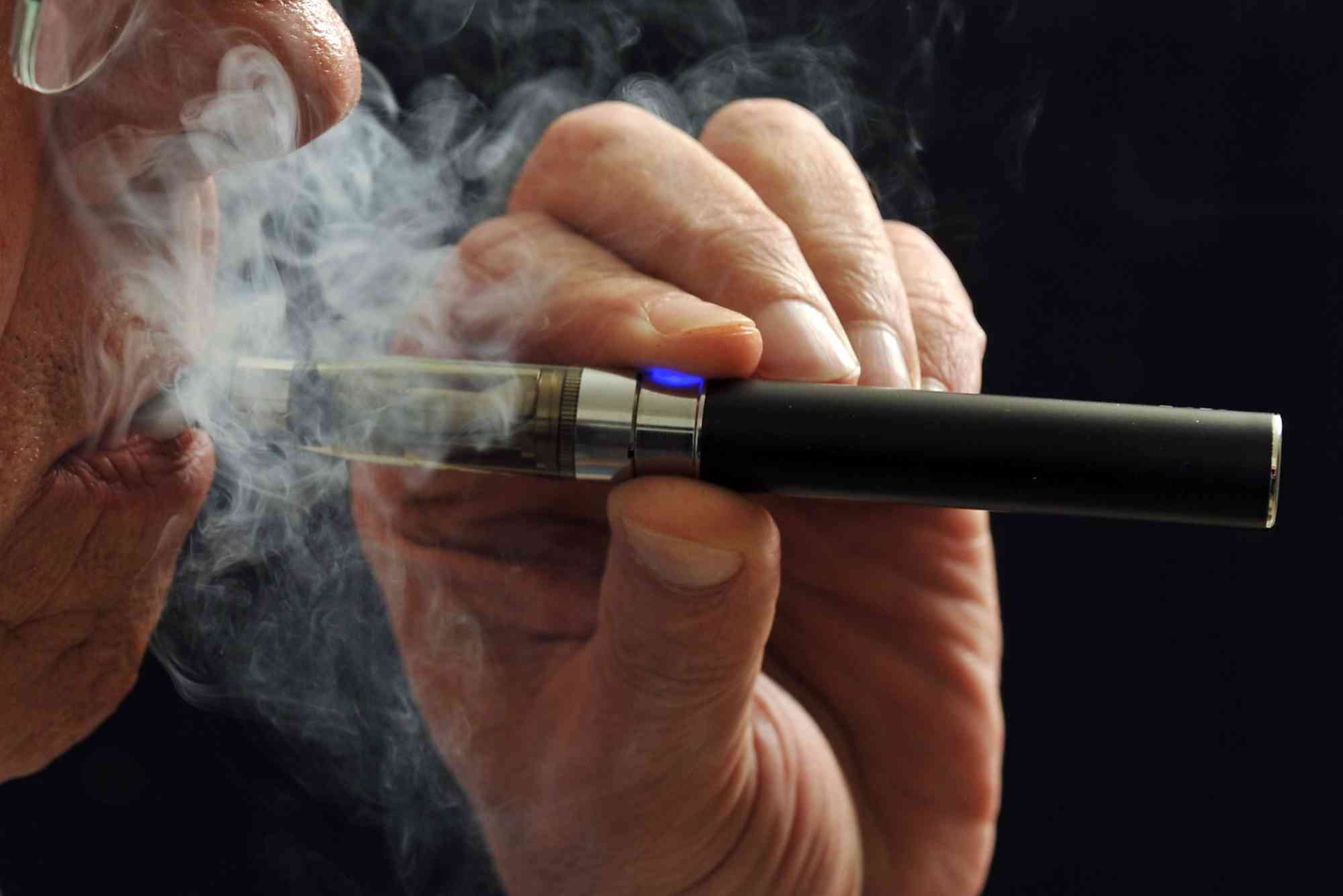
E‑cigarettes, also called vapes, are devices that heat a liquid to create an inhalable aerosol. Many contain nicotine, flavorings, and other chemicals. Most users choose vaping as an alternative to smoking, believing it may reduce exposure to harmful tobacco smoke.
It’s essential to distinguish between traditional cigarettes and e‑cigarettes. Tobacco cigarettes burn plant material, producing thousands of chemicals. Some of these are definitively linked to cancer and heart disease. E‑cigarettes do not burn tobacco, so they typically contain fewer of these chemicals. Yet, “fewer” does not automatically mean “safe.”

In real world usage, products vary dramatically. Voltage, coil type, e‑liquid ingredients, and how a person vapes all influence what they inhale. This complexity makes reviewing and judging e‑cigarettes difficult. Reviews that ignore technical differences can mislead readers.
Different generations of devices — from cig‑alikes to pod systems — produce different experiences and aerosol compositions. As a result, rigorous evaluations are necessary for accurate interpretation.
Common Misconceptions in E‑Cigarette Reviews
When reading user reviews, it’s easy to fall into common traps. Many people share personal opinions without context. Here, we address frequent misunderstandings so you can read reviews with clear insight.
Not All Devices Are Equal
Online reviews often treat e‑cigarettes as a single category. In reality, the devices differ widely in design and performance. A review praising a cheap “cig‑alike” vape does not reflect the experience of a pod mod or a high‑powered device. Likewise, a poor experience with one brand doesn’t reflect all products.
Flavor Equals Safety
Many reviewers focus on flavor — strawberry, tobacco, menthol — but flavor preference tells you nothing about health effects. Some flavorings, when heated, can produce harmful byproducts. Until more research clarifies which ingredients are safe, flavor discussions should not replace health risk discussions.
People Confuse Satisfaction with Safety
An e‑cigarette review saying a product “feels great” or “helps cravings” reflects subjective experience. That’s valuable to consumers, but it doesn’t prove safety or efficacy as a quitting tool. Professional assessments must rely on controlled studies, not individual satisfaction.
What Research Really Says: Evidence on E‑Cigarettes
A central part of Debunking the Myth: E cigarette reviews is comparing online narrative with systematic research. Peer‑reviewed studies and institutional reports provide a foundation for grounded understanding.
Many smokers turn to e‑cigarettes hoping they will help them quit cigarettes. Rigorous reviews — such as those found in the Cochrane Library — reviews of e‑cigarettes for cessation — suggest e‑cigarettes may help some adult smokers reduce or quit smoking when combined with behavioral support. Yet the evidence is not universal and still evolves. Long‑term health impacts remain under study.
Public health agencies differ in their wording, reflecting uncertainty and caution. Some agencies highlight potential benefits for smokers who switch completely. Others emphasize unknown long‑term effects and risks, especially among youth.
One clear consensus among researchers is that vapor generally contains fewer toxic chemicals than cigarette smoke. However, fewer chemicals do not guarantee harmlessness. Certain compounds in aerosol can irritate the lungs or have other biological effects. Understanding the details matters for informed decisions.
User Reviews vs. Scientific Reviews: Bridging the Gap
Online reviews serve a purpose. They reflect personal experiences, preferences, and frustrations. Yet without context, they can mislead.
User reviews rarely include proper measurement of device output, chemical exposure, or usage patterns. They may celebrate a product that “saved me from cigarettes” without acknowledging that individual experiences vary widely.
Scientific reviews, by contrast, evaluate data from controlled studies. They consider device types, sample size, study design, and outcomes. These reviews aim for objectivity, even when evidence is still emerging.
When you read user experiences, ask these questions: Is the review based on long‑term usage? Does it describe health effects or only enjoyment? Has the writer considered quitting goals versus casual use? Taking time to contextualize a review elevates its usefulness.
Health Impacts: What We Know and What We Don’t
One of the most debated topics in Debunking the Myth: E cigarette reviews involves health impact. You’ll see bold claims on both sides. The truth is nuanced.
Short‑Term Effects
Short‑term effects often reported include throat irritation, cough, and changes in taste perception. These effects vary by individual and by device. Some people adapt over time; others find them persistent.
Several studies show that switching completely from smoking to vaping can reduce exposure to certain harmful chemicals. However, reduced exposure is not the same as proven safety.
Long‑Term Risks
Long‑term data is limited because widespread e‑cigarette use is relatively recent. Unlike cigarettes, we don’t have decades of health data yet. This gap means researchers must monitor trends closely and update guidance as new evidence emerges.
Concerns include potential effects on lung tissue, cardiovascular risk, and unknown impacts of chronic inhalation of certain flavoring agents. These unknowns are why many health authorities emphasize caution.
Impact on Non‑Smokers and Youth
A key concern raised by reviewers and researchers alike is uptake among youth and non‑smokers. Nicotine is addictive, and early exposure — especially among adolescents — can impact brain development.
Public health campaigns and regulations often focus on preventing youth vaping while balancing adult harm reduction. This tension adds complexity to the discussion.
Evaluating E‑Cigarette Reviews: What to Look For
When reading any product review, especially in the context of Debunking the Myth: E cigarette reviews, the quality of information matters more than quantity. Here’s how to separate meaningful insights from noise.
Look for reviewers who describe their smoking history. Switching from heavy smoking to vaping yields different perspectives than occasional cigarette use. Reviews explaining quitting goals may provide more context than those focused only on flavor or hardware aesthetics.
Notice whether a reviewer mentions health symptoms or changes over time. A review that addresses both positive and negative experiences tends to be more balanced.
Finally, weigh expert reviews — health professionals and scientific assessments — alongside user narratives. Combining these viewpoints gives a fuller picture of risks and benefits.
Regulatory Landscape and Consumer Safety
Regulations vary widely across countries and regions. Some governments treat e‑cigarettes as consumer products; others regulate them like tobacco or medical cessation aids. These differences influence product quality, labeling accuracy, and consumer protection.
Quality control matters. Independent testing of e‑liquids and devices can uncover discrepancies between labeled and actual nicotine levels. Knowing that regulatory oversight exists — and how strong it is in your region — helps you interpret reviews with more confidence.
Safety recommendations from health organizations often stress age restrictions, proper labeling, and discouraging use by non‑smokers. Understanding regulatory context helps you read user experiences with a critical eye.
Real Stories: What Users Are Saying
Many adult smokers share that switching to vaping helped them reduce or stop smoking cigarettes. These stories can be inspiring, but they reflect individual journeys, not universal outcomes.
Some users report difficulty quitting vaping itself, highlighting concerns about addiction. Others emphasize that behavioral support, not vaping alone, made the difference in quitting cigarettes.
Debunking the Myth: Is vaping illegal indoors in Canada Vaping indoors in Canada is largely regulated like smoking. Most provinces and municipalities ban e-cigarette use in public indoor spaces, workplaces, and restaurants. However, private homes and certain designated areas may allow it. The idea that vaping is universally illegal indoors is a misconception—rules vary by location.
Balanced Clarity Over Sensationalism
Debunking the Myth: E cigarette reviews means evaluating evidence and experiences with care. Vaping is not a magic solution, nor is it equivalent to smoking cigarettes in its risks. It occupies a complex middle ground supported by emerging evidence and experienced differently by individuals.
Real insight comes from combining scientific research with honest user experiences. Peer‑reviewed findings help frame health effects, while personal stories illustrate how products perform in real life. Together, they form a more complete picture than either alone.
If you are considering vaping as a smoking alternative, consult health professionals, review reputable research, and approach user reviews critically. Knowledge empowers better decisions.
Ready for deeper evidence? Cochrane Library — reviews of e-cigarettes for cessation Explore reputable sources and talk with healthcare providers to align your choices with your health goals. Your well‑being deserves trustworthy information.
Frequently Asked Questions
Are e‑cigarettes safer than traditional cigarettes?
E‑cigarettes typically expose users to fewer toxic chemicals than combustible cigarettes. However, “fewer toxins” does not equate to complete safety. Long‑term effects are still under investigation.
Can e‑cigarettes help me quit smoking?
Some smokers report success using e‑cigarettes alongside support programs. Research suggests they may help some adults reduce or stop smoking, but results vary.
Do flavorings make vaping more harmful?
Flavorings enhance experience but may produce harmful byproducts when heated. Not all flavor compounds are fully studied for inhalation safety.
Is vaping addictive?
Many e‑cigarettes contain nicotine, which is addictive. Addiction potential depends on nicotine concentration, frequency of use, and individual vulnerability.
Are e‑cigarettes safe for youth?
Health authorities do not recommend e‑cigarette use among youth or non‑smokers due to addiction risk and unknown long‑term impacts.
If you’re looking for innovative solutions and modern digital resources, be sure to explore neovapex.com. The platform offers valuable insights, tools, and services designed to help individuals and businesses stay ahead in the rapidly evolving online world. Visit neovapex.com to discover useful content and opportunities that can support your digital journey.
Related Reading: Debunking the Myth: E cigarette legal age