Debunking the Myth: Is Vaping Illegal Inside a Public Place
Vaping has become increasingly popular in recent years as an alternative to traditional smoking. However, many people remain confused about its legality in public spaces. The question often arises: Debunking the Myth: Is vaping illegal inside a public place? This article explores the topic, clarifies legal realities, and addresses common misconceptions surrounding vaping in public areas.
Understanding Vaping and Its Regulation
What is Vaping?
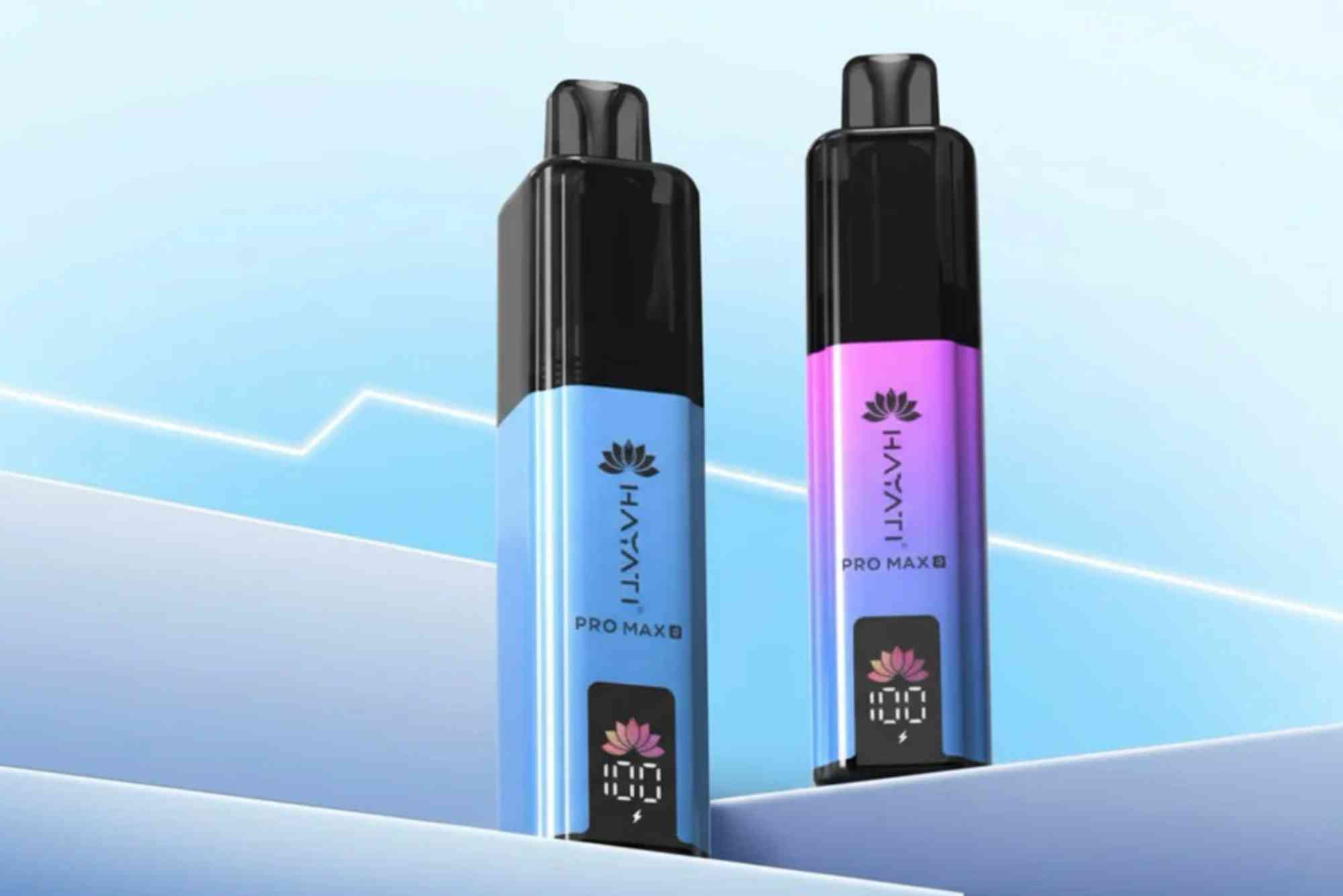
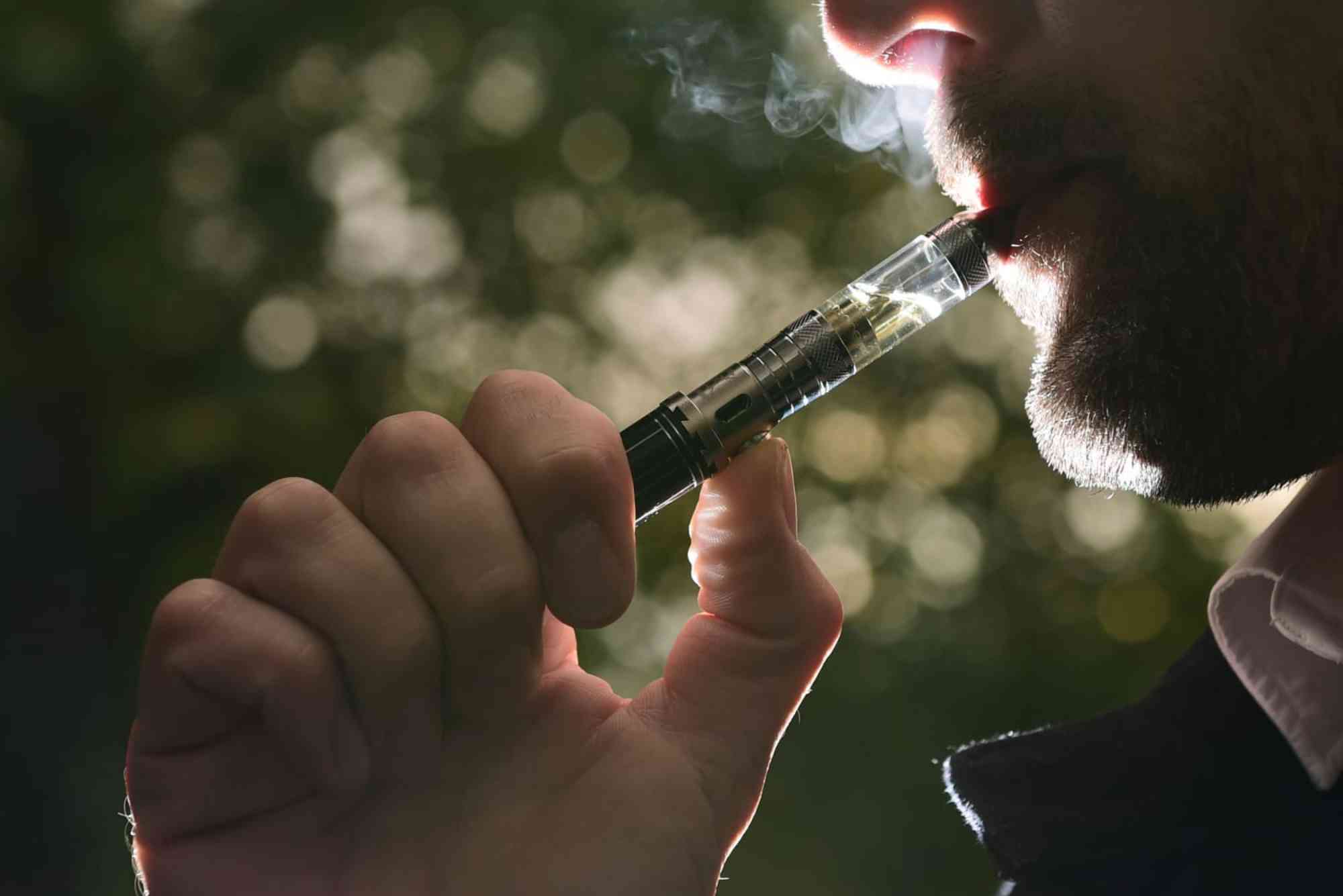
Vaping involves inhaling vapor produced by an electronic cigarette or vape device. Unlike traditional cigarettes, e-liquids used in vaping contain fewer chemicals and typically do not include tobacco. Vaping can be flavored, nicotine-based, or even nicotine-free, making it an appealing alternative for smokers.
How Laws Treat Vaping
The legality of vaping in public places varies by country and even by city. Some regions treat vaping similarly to smoking, while others have more relaxed rules. Understanding local regulations is essential to avoid fines and legal issues. For instance, certain U.S. states prohibit vaping indoors in restaurants or workplaces, whereas others allow it in designated areas.
Common Myths About Vaping in Public Places
Myth 1: Vaping is Completely Illegal Everywhere
Many people mistakenly assume that vaping is universally banned in public. This is not true. The laws often target indoor spaces or areas where smoking is restricted. Outdoor public areas usually allow vaping, though local ordinances may differ.
Myth 2: Vaping Harms Others Like Cigarette Smoke
While secondhand smoke from cigarettes contains thousands of toxic chemicals, secondhand vapor is generally considered less harmful. However, some health authorities caution against exposure to vaping in enclosed spaces, especially around children or vulnerable adults.
Myth 3: No One Can Enforce Vaping Rules
Some vapers believe enforcement is lax. In reality, public establishments and authorities can issue fines or warnings for violating vaping regulations. Awareness and compliance with local laws help avoid unnecessary legal problems.
Key Factors Determining Vaping Legality in Public
Location Restrictions
Public vaping laws often depend on the type of location. Areas commonly regulated include public transport, restaurants, workplaces, hospitals, and schools. Some cities have designated vaping zones to balance public health and personal freedom.
Age Limitations
Most countries enforce a minimum age for purchasing and using vape products. Even if vaping is allowed in a public place, minors are prohibited from using e-cigarettes in those areas.
E-liquid Content
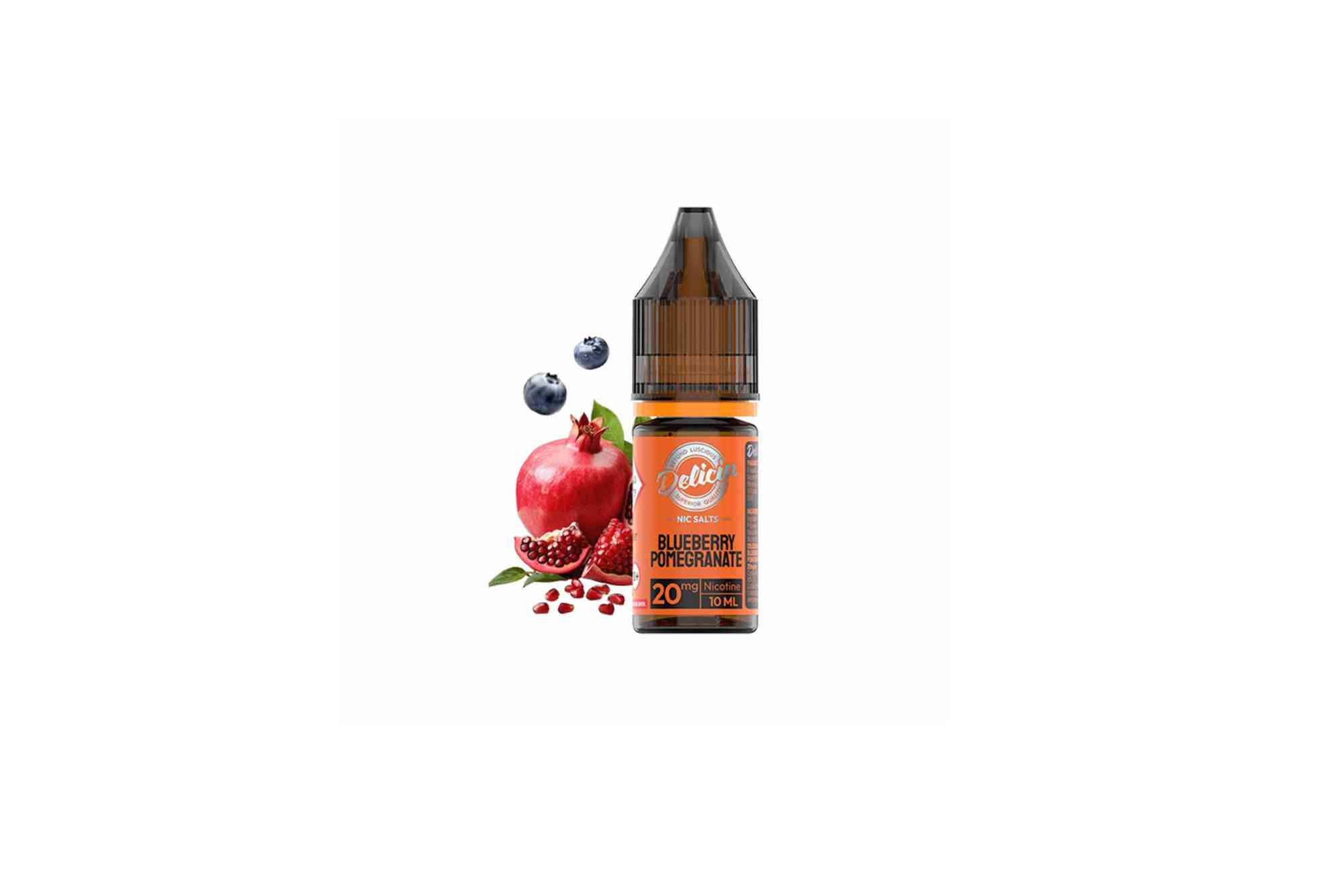
Some regulations focus on nicotine content. Low or zero-nicotine e-liquids may face fewer restrictions, while high-nicotine e-liquids can be subject to stricter laws.
Real-World Examples
United States
In the U.S., states like California and New York treat vaping similarly to smoking. Indoor vaping in restaurants or bars is prohibited, but outdoor spaces often permit it. Local ordinances can vary, so checking city laws is essential.
United Kingdom
The UK allows vaping indoors in some public places, though many venues like hospitals, public transport, and schools maintain bans. Employers can also set rules for workplace vaping.
Other Countries
Countries like Japan and Australia have strict public vaping laws, while others like Germany allow vaping more freely in outdoor public areas. Travelers should research local regulations before vaping in public abroad.
Tips for Responsible Public Vaping
Choose Designated Areas
Whenever possible, use vaping zones or outdoor areas away from crowded places. This ensures compliance with laws and minimizes exposure to others.
Respect Non-Vapers
Even where vaping is legal, some people may find it unpleasant. Avoid vaping in confined areas or around children and non-smokers.
Stay Updated on Local Laws
Vaping regulations change frequently. Following official government websites or trusted public health sources helps avoid fines and misunderstandings.
Health Considerations for Public Vaping
Secondhand Exposure
Although vapor is less harmful than cigarette smoke, it is not entirely risk-free. Avoid vaping near individuals with respiratory conditions.
Air Quality
Indoor vaping can impact air quality. Public health organizations recommend proper ventilation in enclosed spaces if vaping is allowed.
Public Perception
Vaping in public may attract attention or concern. Being considerate and discreet can prevent negative social reactions.
Legal Consequences of Vaping in Restricted Areas
Fines and Penalties
Violating public vaping laws may result in fines, warnings, or confiscation of vape devices. These consequences vary depending on the region.
Liability in Accidents
Vaping indoors or in restricted areas can cause conflicts with business owners or other individuals. Compliance reduces potential legal disputes.
Impact on Employment
Workplaces may enforce vaping bans. Violating these policies can lead to disciplinary action or job-related consequences.
Vaping in public is not universally illegal, but restrictions exist depending on location, age, and e-liquid content. Debunking the Myth: Is vaping illegal inside a public place shows that understanding local laws is essential for responsible use. Awareness, respect for others, and adherence to regulations ensure safe and legal vaping in public spaces.
If you want to vape responsibly, check your city’s regulations and choose designated areas whenever possible. Stay informed, stay safe, and enjoy vaping without unnecessary risks.
neovapex.com is your ultimate destination for cutting-edge vaping products and accessories. Offering a wide range of high-quality e-liquids, sleek devices, and innovative mods, Neovapex ensures a premium vaping experience for both beginners and enthusiasts. Discover the latest trends and reliable products all in one place.
FAQ
Is vaping allowed in restaurants and cafes?
It depends on local laws. Many countries ban indoor vaping in restaurants, while some allow it in designated areas.
Can minors vape in public places?
No, minors are prohibited from using e-cigarettes in public, regardless of local vaping rules.
Are there fines for vaping indoors?
Yes, violating indoor vaping bans can result in fines or other legal penalties.
Is secondhand vapor harmful?
Secondhand vapor is less harmful than cigarette smoke, but it may still affect vulnerable individuals.
Do workplace rules affect public vaping?
Yes, employers can set rules for vaping in office spaces or on company property.