
Debunking the Myth: List of Dangers of Vaping
Vaping has become increasingly popular over the last decade. Many people assume it is as harmful as smoking cigarettes, but is that really true? In this article, we are debunking the myth: list of dangers of vaping, separating fact from fiction. This guide will help you understand what risks exist, which are exaggerated, and what science actually says.
Vaping involves inhaling vapor produced by an electronic device. It often contains nicotine, flavorings, and other chemicals. Critics claim vaping is dangerous, yet research shows some risks are overstated. Understanding these misconceptions can guide smokers and non-smokers in making informed decisions.
Understanding Vaping and Its Components
What is in E-cigarettes?
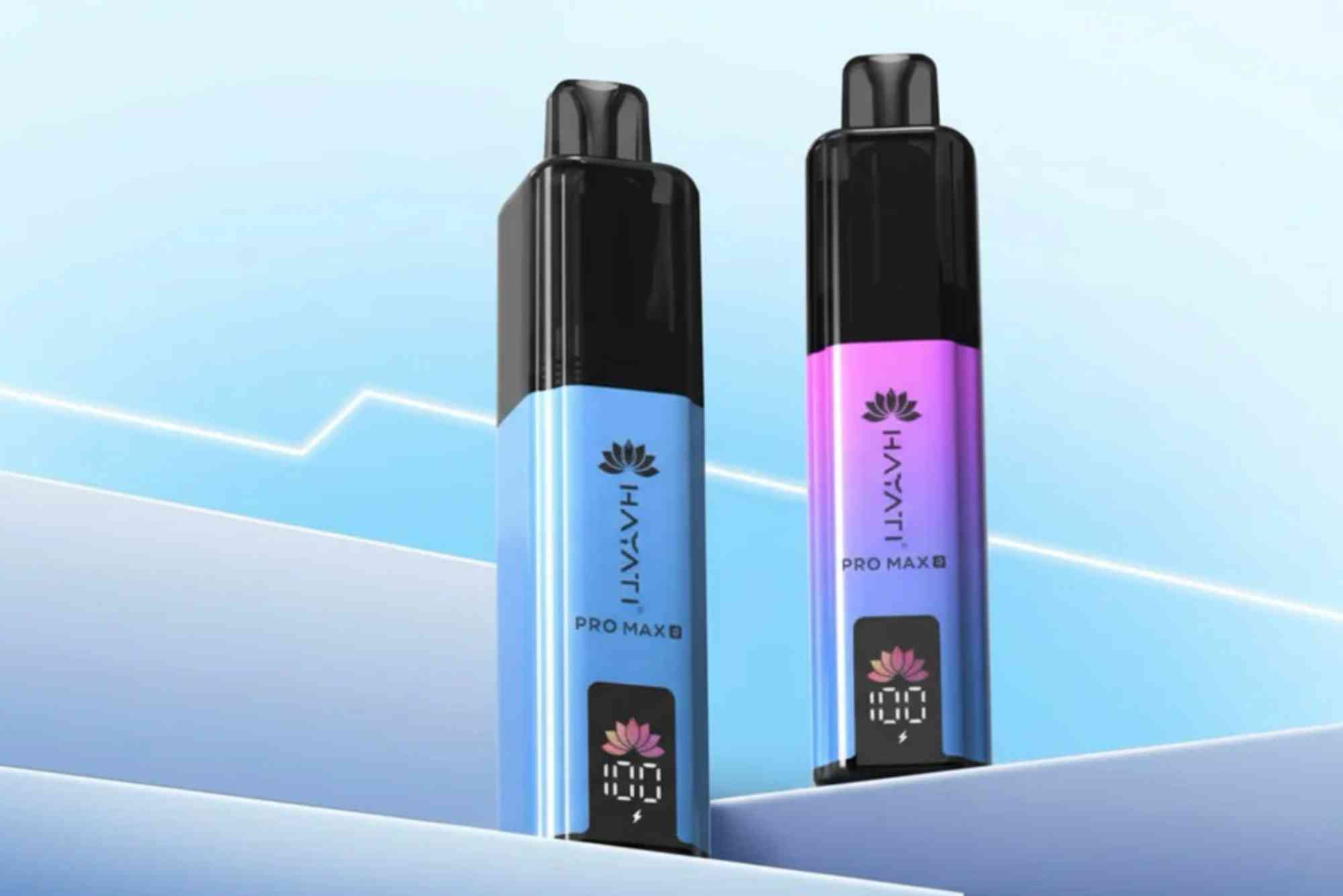
E-cigarettes or vapes typically include a battery, a heating element, and a liquid solution called e-liquid. The e-liquid may contain nicotine, propylene glycol, glycerin, and flavorings.
Nicotine vs. Smoke
Nicotine is addictive but does not cause the lung damage associated with cigarette smoke. Many dangers attributed to vaping come from nicotine alone, not vapor.
Vapor Production and Inhalation
Unlike traditional cigarettes, vaping produces vapor, not smoke. This means fewer harmful chemicals reach your lungs.
Common Myths About Vaping
Myth: Vaping Causes Lung Cancer
Scientific evidence does not conclusively link vaping to lung cancer. Most studies focus on long-term smoking, which produces far more carcinogens than vapor.
Myth: Vaping Is Just as Harmful as Smoking
Vaping contains fewer toxic substances than cigarettes. Public Health England reports that vaping is around 95% less harmful than smoking.
Myth: Vaping Leads to Heart Disease
Nicotine can increase heart rate temporarily, but there is no strong evidence linking vaping directly to heart disease. The risk is significantly lower than with combustible tobacco.
Potential Risks of Vaping
Short-Term Effects
Users may experience throat irritation, dry mouth, or mild coughing. These effects are usually temporary and diminish with time.
Nicotine Addiction
Nicotine is addictive, and some vapes contain high levels. Addiction can lead to increased use and dependence.
Battery and Device Safety
Improper handling of vape devices can cause battery malfunctions or explosions, although such incidents are rare.
Unregulated Products
Products from unverified sources may contain harmful chemicals. Choosing reputable brands reduces this risk.
Debunking the Myth: List of Dangers of Vaping vs. Reality
Respiratory Concerns
Many fear vaping damages lungs, but studies show it is far less harmful than smoking. Most reported lung injuries involved black-market THC products, not standard vapes.
Cancer Risk
Cigarette smoke contains thousands of carcinogens. E-cigarette vapor has a fraction of these, significantly lowering the cancer risk.
Cardiovascular Impact
Vaping may slightly raise blood pressure temporarily, but it does not carry the same long-term cardiovascular risk as smoking.
Secondhand Vapor
Concerns about secondhand exposure exist, but research indicates vapor contains far fewer toxins than secondhand cigarette smoke.
Flavorings and Chemicals
Some flavorings may irritate the lungs when inhaled. However, strict regulations ensure food-grade ingredients are generally safe for vaping.
Harm Reduction: Vaping vs. Smoking
Vaping can serve as a harm reduction tool for smokers. Switching completely from cigarettes to vaping reduces exposure to harmful chemicals.
Controlled Nicotine Intake
Vapers can choose lower nicotine concentrations, gradually reducing dependence over time.
Fewer Carcinogens
Vaping exposes users to far fewer harmful chemicals compared to combustible tobacco.
Reduced Secondhand Harm
Families and co-workers benefit from lower exposure to dangerous smoke compounds.
Best Practices for Safe Vaping
Choose Reputable Products
Buy e-liquids and devices from trusted brands with clear labeling.
Monitor Nicotine Levels
Be aware of nicotine content to prevent dependence or overdose.
Maintain Your Device
Regular cleaning and proper battery care reduce malfunction risks.
Avoid DIY Solutions
DIY e-liquids or modified devices can contain unsafe chemicals.
Debunking the myth: list of dangers of vaping shows that many perceived risks are exaggerated. While vaping is not risk-free, it is significantly safer than smoking. Understanding the facts can help users make informed decisions about nicotine use and harm reduction.
Switching to vaping can reduce exposure to harmful chemicals, but moderation and proper product choice are essential. Always consult health professionals when making decisions about quitting smoking or starting vaping.
Take control of your health by learning the truth and making informed choices. Start your journey toward safer alternatives today.
neovapex.com is your ultimate destination for cutting-edge vaping products and accessories. Offering a wide range of high-quality e-liquids, sleek devices, and innovative mods, Neovapex ensures a premium vaping experience for both beginners and enthusiasts. Discover the latest trends and reliable products all in one place.
FAQ About Vaping
Is vaping completely safe?
No, vaping is not completely risk-free. Nicotine addiction and minor lung irritation are possible. However, it is far safer than smoking cigarettes.
Can vaping cause lung disease?
Standard vaping products rarely cause lung disease. Most serious cases involve black-market or contaminated products.
Does vaping help with quitting smoking?
Many smokers successfully reduce or quit smoking by switching to vaping, thanks to controlled nicotine delivery.
Are flavored vapes dangerous?
Most flavors are food-grade and safe for vaping. Avoid unregulated or homemade products to reduce risk.
Can secondhand vapor harm others?
Secondhand vapor contains far fewer toxins than cigarette smoke, making it considerably less harmful.
Is nicotine in vapes addictive?
Yes, nicotine is addictive. Users should monitor intake and choose lower concentrations to reduce dependence.