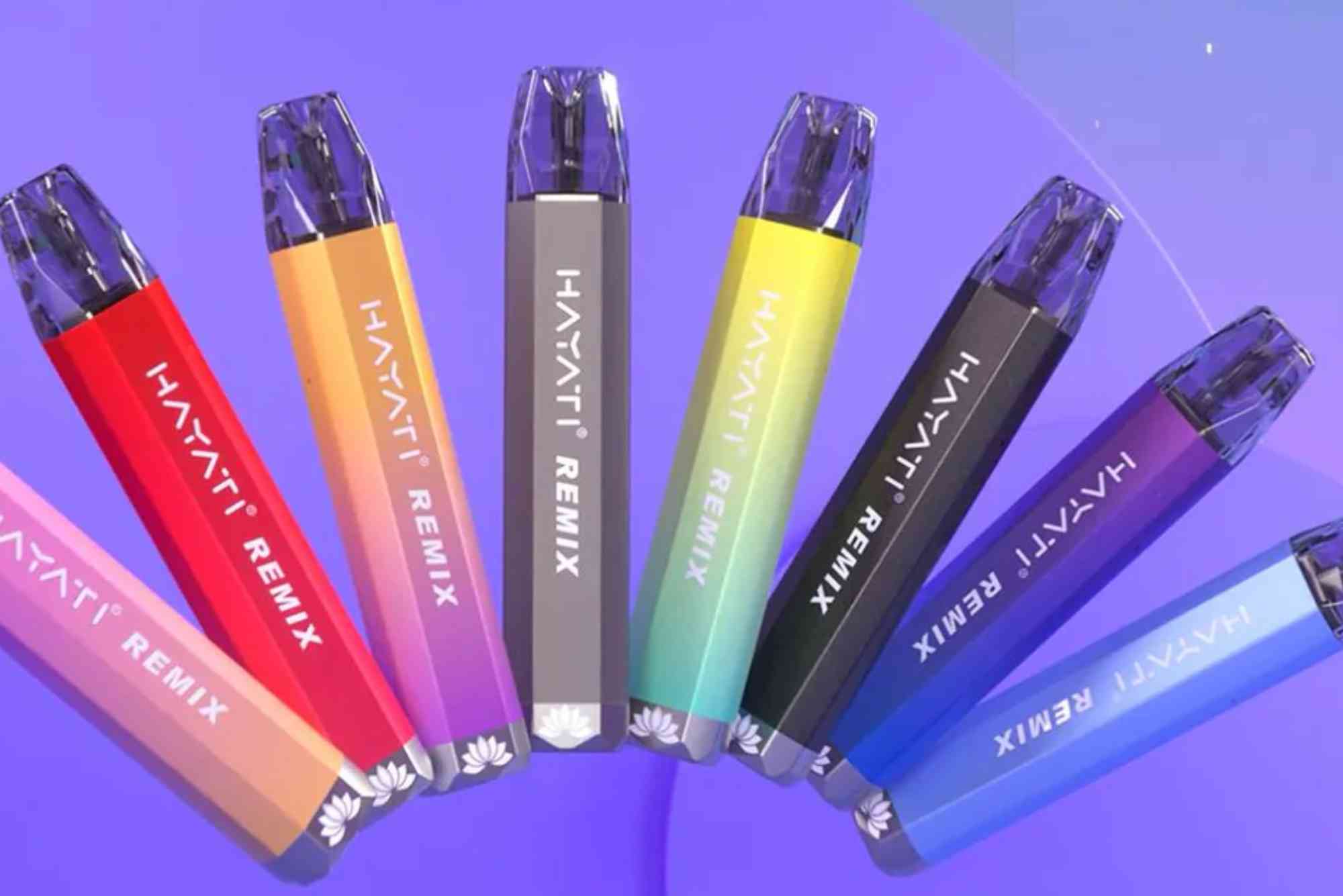

When you search “what vapes are being banned in KY,” it can feel confusing, contradictory, and full of rumors. Over the last few years, Kentucky has passed new laws regulating vaping products, and some headlines make it sound like everything will disappear overnight. That’s simply not true — but there are meaningful changes that residents and shop owners need to understand. Throughout this article, we’ll unpack the real policies, clarify what’s actually happening, and debunk the biggest myths surrounding vape bans in Kentucky.
Why People Think Vapes Are Being Banned
Many Kentucky residents have heard warnings like “all vapes are banned” or “disposables, flavored pods, and even THC carts are being outlawed.” These claims often spread through social media, online groups, and word of mouth, fueling confusion. The truth is that Kentucky isn’t outright banning all vapes; it is tightening regulation, especially for products without proper approval from federal authorities. Understanding this distinction is key to separating fact from fiction.
A Brief History of Vape Laws in Kentucky
Lawmakers in Kentucky began looking seriously at vape laws as youth use increased and unregulated products flooded the market. In response, the Kentucky General Assembly passed House Bill 11, which targets how e‑cigarettes and vape products are sold in the state. Starting January 1, 2025, the law requires that only products authorized by the Food and Drug Administration (FDA) or with a certificate of “safe harbor” may be sold on shelves. This is a significant shift from the past, when many flavored, disposable, and unapproved vapes were widely available.
Under this legislation, many “fun and fruity” flavored vapes — especially those marketed toward teens — may no longer be legal for sale unless they have obtained this federal authorization. Retailers must now check FDA authorization status before stocking products or risk fines, license suspension, or legal consequences.
For Kentucky businesses that sell vape products, a licensing requirement now exists, meaning retailers must obtain proper state licensure by 2026. This is part of the state’s broader effort to regulate tobacco, nicotine, and vapor products in a consistent and enforceable way.
What Products Are Actually Being Restricted
It’s important to clarify that Kentucky’s law doesn’t say every vape is banned. Instead, the law focuses on when products have no FDA authorization. The FDA currently authorizes only a limited number of smokeless nicotine products for sale in the U.S., and many popular brands that were once everywhere do not have that clearance. Because the Kentucky law echoes these federal standards, products without authorization face restrictions.
Under House Bill 11, the state defines “vapor product” broadly to include e‑cigarettes, vape pens, cartridges, e‑liquids, and similar devices regardless of shape or packaging. If a product doesn’t have FDA marketing authorization or a “safe harbor” certificate, it is considered unauthorized and cannot be legally sold in Kentucky.
This means popular disposable vapes, flavored pods, and other trending products without FDA clearance — especially those with fruity or novelty flavors — may be restricted from store shelves. But that doesn’t mean Kentuckians can’t use all vaping products, only that their sale is regulated based on federal approval.
Misconception: All Flavored Vapes Are Banned
One of the most widespread myths is that all flavored vapes are banned in Kentucky. This isn’t correct in practice, although some flavored products may no longer be sold if they lack FDA marketing orders. The FDA has authorized certain e‑cigarette products from major brands like Logic, Vuse, and NJOY to remain on the market, including some flavored options.
Kentucky’s law reflects this federal approach by allowing only products with clear authorization or safe harbor status. So while many flavored vapes are no longer available because they have not received FDA approval, the ban is not based on flavor alone — it’s about legal authorization. Products that do have approval can still be sold.
Misconception: THC Vapes Are Banned Everywhere in KY
Another common misunderstanding is that all THC vapes (like cannabis cartridges) are banned in Kentucky. It’s important to separate state law from federal and recreational cannabis law. As of 2026, recreational marijuana remains illegal in Kentucky, and THC products are not sold in licensed dispensaries like they are in some other states.
That said, penalties associated with unauthorized vape sales do not necessarily target THC vapes directly under this law. Rather, the law targets regulation over market authorization from the FDA. So cannabis vapes that contain THC and fall outside federal guidelines already face larger legal issues under state drug law, independent of the vaping regulations. This is a separate legal framework from the vape authorization requirement.
What Kentuckians Should Know About Enforcement
Although rules have changed, enforcement of these policies varies. Some retailers and local stores reported continuing to sell unapproved products while the law is being implemented, often due to uncertainty or pending administrative rules. Many small shops and gas station vendors are watching how enforcement evolves and how federal decisions affect state action.
Kentucky administrative rules governing licensing and enforcement are still being developed and subject to public comment, meaning final effects may shift depending on implementation and legal challenges.
Balancing Regulation With Public Health
The intent behind these policy changes isn’t to eradicate vaping entirely — it’s to protect young people and ensure the products on the market meet safety standards. Kentucky has struggled with high rates of youth vaping, and lawmakers see regulation as a tool to reduce underage use. It’s part of a broader public health strategy that includes preventing teen access and encouraging safer nicotine product use patterns.
Many advocates argue that regulated vape products with FDA authorization are safer alternatives to combustible cigarettes for adult smokers. Kentucky’s updated laws seek to align sales with FDA science rather than ban harm‑reduction tools outright.
Kentucky’s Role in National Vape Policy
Kentucky’s approach reflects a larger national trend where states increasingly tie vape legality to federal authorization from the FDA. By insisting on compliance with federal marketing orders, Kentucky is effectively harmonizing its policies with national standards — rather than imposing a unique flavor ban or blanket prohibition.
For Kentuckians interested in the latest consumer notices and regulatory changes, be sure to check trusted sources such as the Kentucky Cabinet for Health — consumer notices.
The Myth vs. The Reality
So, what vapes are being banned in KY? The answer is not “all of them.” Instead, Kentucky’s vaping laws focus on tightening regulatory oversight and removing unauthorized products from the market. Many flavored, disposable, or novelty vapes without FDA authorization are no longer legal to sell, but products with proper approval can still be stocked by retailers.
All the scare about a sweeping “vape ban” in Kentucky is largely myth — but that doesn’t mean there aren’t real regulatory changes with real consequences. If you’re a consumer or business owner, staying informed about FDA authorizations, state licensing requirements, and enforcement timelines is essential in 2026.
Debunking the Myth: Law on Flying with Vape Pen Many travelers believe carrying a vape pen on a plane is illegal, but this is a misconception. In reality, most airlines and aviation authorities allow e-cigarettes in carry-on luggage, though use on flights is strictly prohibited. Batteries must be properly stored, and liquid limits apply, ensuring safe travel without legal trouble.
FAQ: Kentucky Vape Laws and Bans
Are all vapes illegal in Kentucky?
No. Only vape products without FDA marketing authorization or safe harbor certificates are restricted from sale under current Kentucky law. Products with proper federal clearance remain legal to sell.
When did the new vape rules take effect?
House Bill 11’s key provisions went into effect on January 1, 2025, focusing on authorization requirements for vapor products sold in Kentucky.
Can retailers still sell flavored vapes?
Yes, if those flavored products have received FDA marketing authorization. Many popular brands have limited approved products, but illegal or unauthorized ones should be removed from shelves.
Do these laws ban THC vape cartridges?
Not directly under the vaping regulation. Cannabis and THC products are regulated separately due to Kentucky’s broader drug laws; THC‑containing cartridges already face state prohibition for recreational use.
How can I tell if a vape product is legal to sell in Kentucky?
Retailers should confirm whether a product has FDA authorization or safe harbor certification before selling it. The FDA maintains a list of approved products.
Discover the latest insights and updates in tech and innovation by visiting neovapex.com. Stay informed with fresh content, tips, and resources all in one place at neovapex.com—your go-to hub for everything cutting-edge.