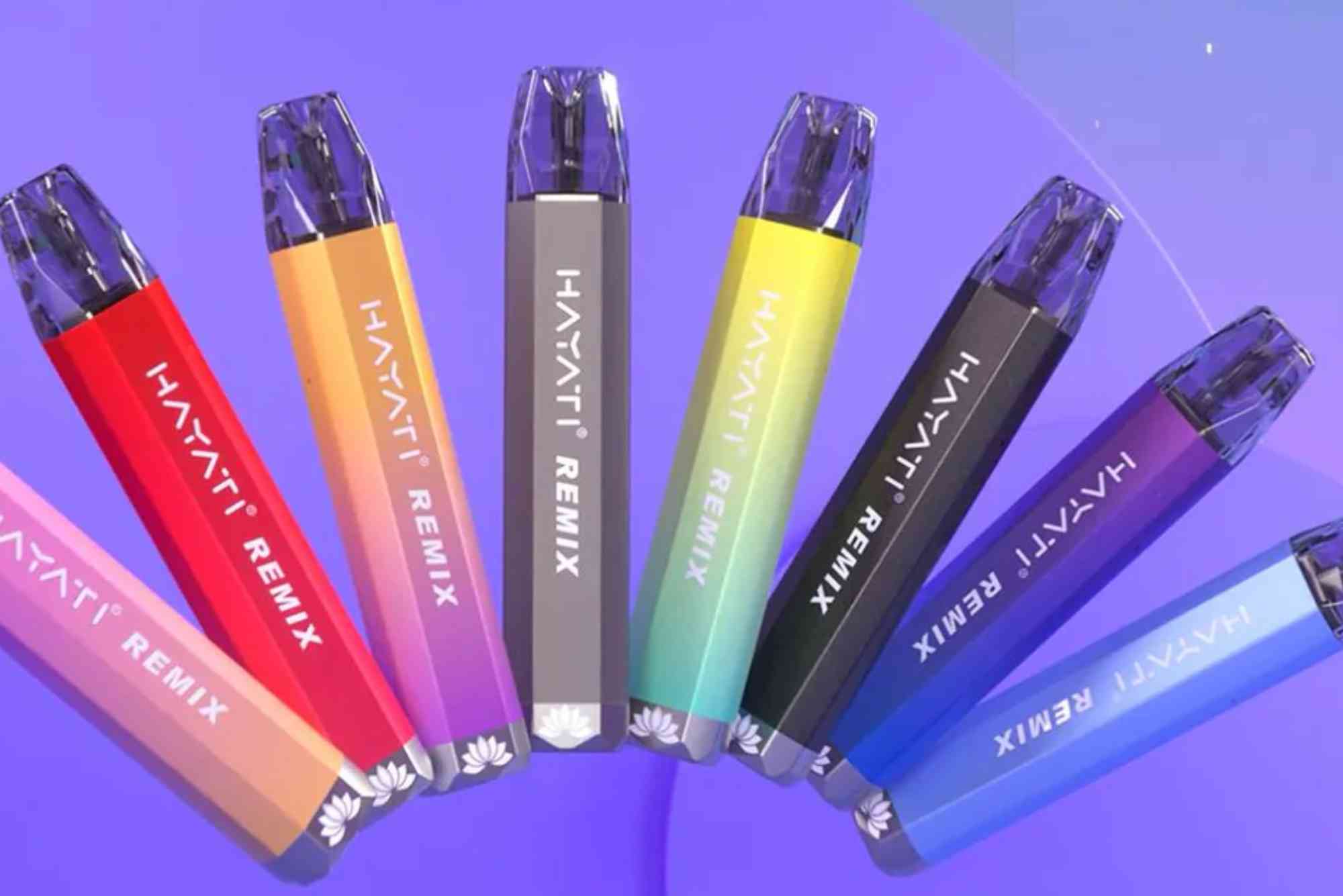
Vaping has become a hot topic around the world, and among the most controversial products are devices like the Hayati Pro Max vapes — especially when questions arise about legality. In this article, we debunk the myth: why are hayati pro max vapes illegal, exploring legal frameworks, health concerns, and regulatory changes. We’ll break down the facts in everyday language, so you truly understand why some vape products are restricted or banned in various regions.
Introduction: Setting the Scene
When many people ask “why are Hayati Pro Max vapes illegal?” they’re often reacting to social media trends and online debates rather than legal realities. It’s true that certain versions of these vapes are restricted in countries like the UK and elsewhere, but that doesn’t mean all Hayati products are illegal everywhere. Misunderstandings about the law, product safety, and public health goals contribute to confusion. To understand this topic fully, it’s essential to look at regulations, safety standards, and enforcement practices across jurisdictions. Only then do we see why some products are deemed illegal.
What “Illegal Vape” Really Means
Before diving into specifics about Hayati Pro Max, it helps to define what makes any vape product illegal. Simply put, a vape becomes illegal when it violates regulatory standards set by government agencies or health authorities.
In countries like the UK, vaporizers must follow detailed rules regarding nicotine content, tank capacity, labeling, safety testing, and environmental impact. Products that fail these standards — whether because they contain excessive nicotine, untested chemicals, or lack required warnings — are considered illegal to sell or supply. These regulations are designed to protect public health, especially young people and vulnerable groups, and to reduce environmental harm.
The Regulation Landscape: UK Laws as a Case Study
One of the most comprehensive sets of vape laws is found in the United Kingdom, where recent legislation has reshaped the market.
Why Disposable Vapes Were Banned
In the UK, a complete ban on single‑use or disposable vapes came into force on June 1, 2025. The government’s main goals were to curb environmental waste and reduce nicotine uptake among youth. Millions of single‑use devices were being discarded improperly, with lithium batteries and plastics harming ecosystems. At the same time, colorful disposables were becoming highly popular with minors — a trend that public health officials openly criticized.
Technical Requirements for Legal Devices
Under current UK regulations, legal vaping products must meet several criteria. These include:
- A maximum tank capacity of 2ml of e‑liquid for nicotine‑containing devices
- A nicotine strength limit of 20mg/ml (2%)
- Proper labelling and child‑resistant packaging
- Registered notification with regulators before being sold
Products that ignore these requirements — for example, devices that claim thousands of puffs from a large disposable tank — fall outside legal standards and are thus illegal to supply.
If you want to explore regulatory notices from the UK’s safety authority, see MHRA / product safety alerts — illegal product notices (UK example) for official guidance and alerts regarding non‑compliant products.
Why Hayati Pro Max Vapes Get Caught in the Crossfire
Now that you understand the regulatory landscape, let’s pinpoint why Hayati Pro Max vapes have gained a reputation for being illegal in some markets.
Non‑Compliant Versions Sold Online
Many Hayati Pro Max models do adhere to local safety regulations when sold through reputable channels. However, counterfeit or imported versions, especially those claiming extremely high puff counts like 3500+ or larger internal tanks, often violate nicotine limits and capacity rules in places like the UK. These versions bypass testing and notification processes, making them illegal to sell in those regions.
It’s important to note that this doesn’t automatically mean every Hayati Pro Max vape is illegal. Rather, it highlights that specific versions — particularly unregulated imports or grey‑market disposables — are not compliant with safety and legal standards.
Safety Risks of Non‑Compliant Vapes
Illegal vape products often pose health risks because they lack oversight. They may contain unknown ingredients, higher‑than‑allowed nicotine levels, or inadequate safety features like battery protections. Users may unknowingly inhale harmful substances or experience nicotine overdose symptoms, such as dizziness or increased heart rate.
In contrast, regulated products from trusted manufacturers follow stringent testing protocols that minimize these dangers and ensure labeling accuracy.
Misleading Marketing and Youth Appeal
Some of the controversy around products like Hayati Pro Max stems from marketing and design that appeal to younger consumers. Bright colors, sweet flavor names, and promises of extended puff counts can attract underage users. Public health bodies worldwide have cited rising youth vaping as a key reason for tighter controls and bans.
Global Variations: Not All Laws Are the Same
It’s worth remembering that vape laws vary greatly around the world. What is illegal in the UK may be legal in other regions, and vice versa.
For example, some countries ban all nicotine vaping products outright, while others regulate them similarly to tobacco products. These differences depend on local public health priorities, cultural norms, and regulatory capabilities. In places where vaping is seen as a harm‑reduction tool for smokers, authorities may have looser rules. Elsewhere, vaping products face outright bans because of concerns about youth uptake or unknown long‑term health impacts.
Understanding local laws is essential before buying or selling any vape device, including models like Hayati Pro Max.
Enforcement: How Regulators Catch Illegal Products
Legal frameworks are only part of the story — enforcement matters too.
In the UK and many other countries, trading standards officers and customs officials actively monitor vape sales. Non‑compliant products can be seized, and sellers may face fines or criminal penalties. Law enforcement also targets online sellers who import illegal devices without proper registration or testing.
Consumers should be aware that even owning a non‑compliant vape is different from selling it — enforcement typically focuses on supply channels. Still, avoiding illegal products is always safer.
The Real Answer to the Myth
So, why are hayati pro max vapes illegal? The truth is nuanced. Not all Hayati Pro Max products are illegal, but many versions sold through unregulated channels violate safety and nicotine laws, leading to bans or restrictions in specific markets. The main drivers behind these laws are public health protection, youth prevention, and environmental stewardship.
Regulation isn’t meant to punish adult vapers but to ensure products meet safety standards and do not harm vulnerable groups. When consumers understand the reasons behind these rules, the controversy around illegal vapes becomes less mysterious.
Debunking the Myth: What vapes are being banned in KY In Kentucky a new law taking effect Jan 1, 2025 doesn’t ban all vapes, but it does bar the sale of most products unless they are on the FDA’s authorized list. That means many flavored disposable e‑cigarettes and non‑FDA‑cleared devices can’t be legally sold, leaving only a small number of approved vape products available.
FAQs: Real Questions People Also Ask
Are Hayati Pro Max vapes legal to buy?
Hayati Pro Max products can be legal when they comply with local regulations, but unregulated versions with high puff counts or excessive nicotine often break laws in markets like the UK.
What makes a vape illegal?
A vape is illegal when it exceeds regulated nicotine limits, has too large a tank, lacks proper labeling, or isn’t registered with authorities.
Do illegal vapes pose health risks?
Yes, illegal vapes may contain untested ingredients or unsafe components, increasing the risk of harmful health effects.
Can I use a non‑compliant vape product?
Using a non‑compliant product isn’t always criminal, but it’s unsafe and often illegal to sell or supply those devices.
Want to Read More?
Explore more on safety alerts for regulated products and compliance at MHRA / product safety alerts — illegal product notices (UK example).
Discover the latest insights and updates in tech and innovation by visiting neovapex.com. Stay informed with fresh content, tips, and resources all in one place at neovapex.com—your go-to hub for everything cutting-edge.