Vaping has become a hot topic in Australia and around the world. Many people wonder why is vaping illegal in Australia, especially when other countries allow easy access to e‑cigarettes. The truth is far more nuanced than a simple ban. Australia’s approach to vaping reflects deep concerns about health, youth addiction, and public safety. In this article, we’ll explore the real reasons behind the law, clarify misconceptions, and explain what the current legal landscape really means.
Australia does not outlaw vaping outright. Instead, it heavily regulates vaping products—especially those containing nicotine—under strict public health laws. These regulations make it difficult for most people to buy vaporizers and nicotine vapes in everyday retail settings without medical oversight. Understanding these rules helps clarify why many believe vaping is “illegal” when, in fact, it’s tightly controlled.
How Vaping Is Regulated in Australia
Australia’s vaping laws have evolved significantly in recent years. The government’s focus is on protecting public health, particularly among young people, and reducing harm associated with nicotine addiction and unknown vaping risks. Rather than allowing vaping like a lifestyle product, Australia treats it almost like a therapeutic item intended for quitting smoking.
From Consumer Product to Therapeutic Tool
In many countries, vaping products are sold freely in convenience stores, supermarkets, and dedicated vape shops. In Australia, however, the rules are strict:
From July 1, all vaping products—whether they contain nicotine or not—can only be legally sold in pharmacies. The purpose of this regulation is to help smokers quit or manage nicotine dependence under professional supervision.
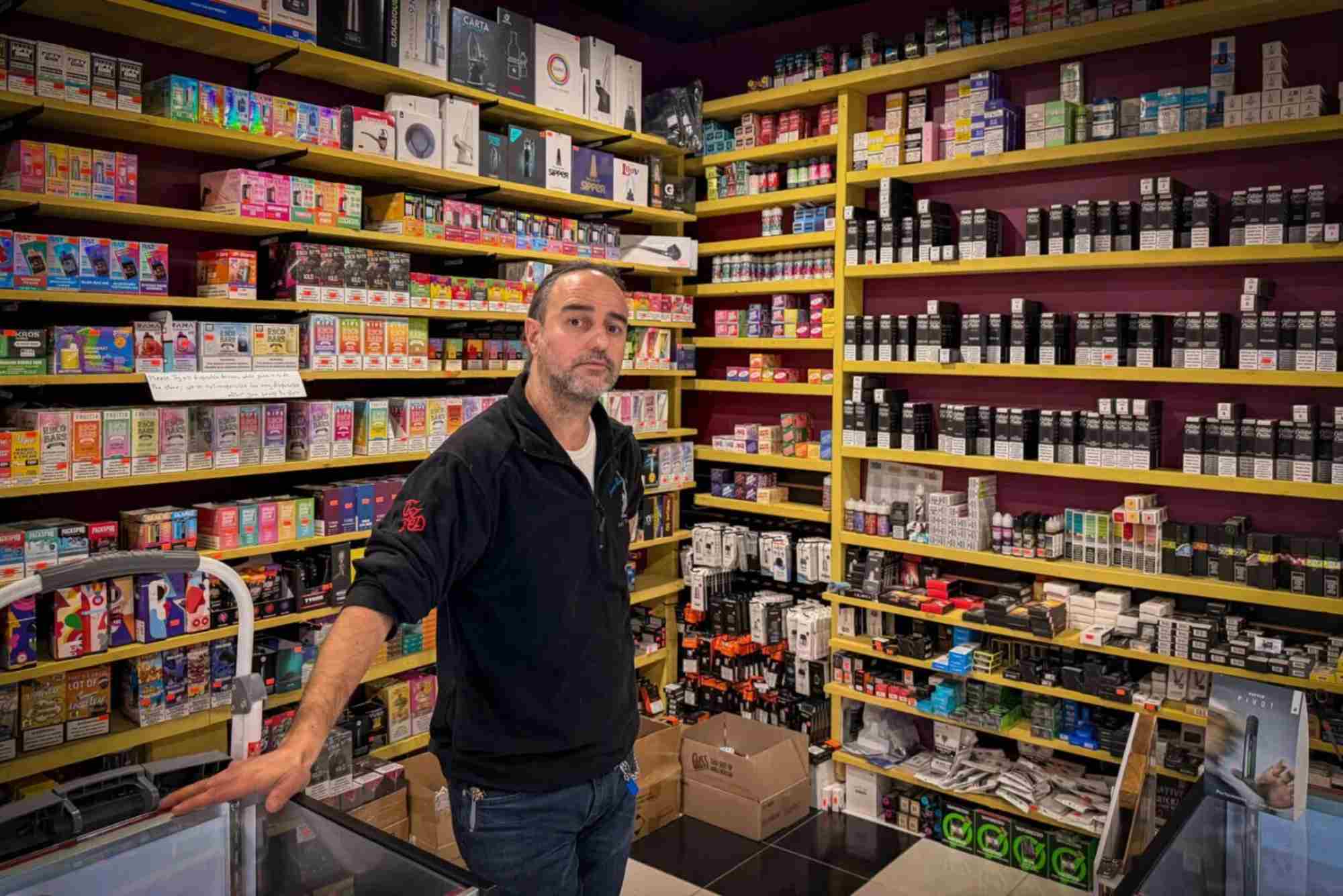
This shift means that you won’t find cigarettes, disposables, or vape kits on open shelves in petrol stations or malls. If a business other than a pharmacy sells vaping products, it’s committing an offence under Australian law.
Nicotine Vapes: Prescription and Pharmacy Rules
Nicotine is considered a controlled substance in Australia because of its high addiction potential and harmful effects—especially on young brains and developing bodies. Consequently, nicotine‑containing vapes were historically illegal to sell without a prescription.
Recent changes mean that, in places where state laws allow, adults can buy vapes with up to 20 mg/mL of nicotine from pharmacies after consulting with a pharmacist. This consultation ensures a discussion about dosage, usage, and the harms of nicotine addiction. Even then, only one month’s supply may be purchased at a time.
These medical‑style rules show that vaping in Australia is treated more like a health intervention than a consumer good.
Why the Strict Laws? Public Health Comes First
The core reason why is vaping illegal in Australia as a mass retail product is health protection. Concerns about the risks of vaping have guided lawmakers for years. Unlike smoking, vaping is a relatively new phenomenon, and long‑term studies are still emerging. However, evidence shows that vaping can expose users to harmful chemicals, even when labelled “nicotine‑free.”
Protecting Young People
Youth vaping rates have risen sharply in many countries, and Australia’s lawmakers took note. Children and teenagers are especially susceptible to nicotine addiction, which harms brain development well into the mid‑20s. The government’s changes are designed to prevent easy access to vaping products that appeal to young people with fruity flavours and flashy packaging.
By limiting sales to pharmacies and imposing strict age checks, the law aims to reduce impulsive purchases and curb underage vaping. These safeguards are far stricter than simply checking ID at a convenience store.
Limiting Unknown Risks
Legal vaping products in Australia must adhere to strict rules. Even then, researchers have found concerning issues. Some “therapeutic” vapes that meet regulatory standards have contained chemicals linked to serious lung damage, indicating that regulatory control is important but not perfect.
These findings reinforce the government’s position that unrestricted access could lead to widespread health problems before long‑term consequences are fully understood.
Debunking Common Myths About Vaping Laws
Many misconceptions surround Australian vaping rules. Let’s clear up what’s factual and what’s not.
Myth: Vaping Is Completely Banned
This is not entirely true. While Australia restricts vaping sales heavily, possession of a reasonable amount for personal use generally won’t lead to criminal prosecution. Instead, the law targets commercial supply and unregulated distribution.
However, importation without a prescription and unauthorized sales are still prohibited. People found importing nicotine vapes outside the legal channels can face their products being confiscated by Australian Border Force.
Myth: The Government Wants to Punish Vapers
Australia’s public health approach focuses more on regulation and prevention than punishment. Penal provisions target illegal suppliers rather than casual users. Still, selling vaping products outside the pharmacy model can carry heavy fines and even jail time.
This hard stance is intended to discourage the proliferation of products that could harm public health, especially among young people.
Myth: You Can’t Vape at All in Australia
Even though regulations are strict, vaping in permitted smoke‑free zones where vaping is prohibited by law (including many public spaces) is treated similarly to smoking tobacco. The rules don’t exempt vapes from smoke‑free area restrictions, and fines can apply where vaping is banned.
How Enforcement and the Black Market Play a Role
Despite strict laws, the reality on the ground is messy. Significant numbers of vaping products are still sold illegally, and enforcement remains a challenge. Australian authorities have conducted raids and shut down stores selling illicit products, but illegal sales persist.
These competing dynamics show that while the legislature has set strict rules, enforcement takes time and resources. Critics argue that overly strict policies without proportional enforcement may fuel black markets rather than reduce usage.
What This Means for Australian Vapers
For those wondering why is vaping illegal in Australia, the answer lies in the country’s unique health‑first approach. If you vape or plan to, knowing the laws helps you stay compliant and safe.
First, vaping products can only be obtained legally through pharmacies under specified conditions. Second, possessing small amounts under personal use is generally not targeted for prosecution. Third, enforcement against illegal sales is ongoing and cities across Australia are tightening surveillance.
If you or someone you know uses vaping products as a smoking cessation tool, consider talking with a healthcare provider about legal ways to access vaping under medical guidance.
For detailed rules on nicotine prescriptions and vaping regulations, refer to the Australian Department of Health — nicotine & prescription rules to stay up to date with legal requirements.
Understanding the Real Picture
Australia’s stance on vaping isn’t simply about banning something new and trendy. The country has chosen a cautious, health‑centric law that treats nicotine vaping products as regulated therapeutic goods. This approach reflects growing evidence about health risks, youth addiction concerns, and the desire to limit easy access. In short, vaping isn’t “illegal” across the board; it’s just tightly controlled for public health reasons.
Discover the latest insights and updates in tech and innovation by visiting neovapex.com. Stay informed with fresh content, tips, and resources all in one place at neovapex.com—your go-to hub for everything cutting-edge.
Frequently Asked Questions (FAQs)
Is it legal to vape in Australia without a prescription?
In most cases, no. Nicotine‑containing vapes require a prescription or pharmacy consultation, and unauthorized sales are illegal.
Can minors buy vaping products in Australia?
No. People under 18 require a prescription and are subject to stricter controls to protect youth health.
Can I import vaping products into Australia?
Personal importation may be possible with a valid prescription and within limits, but undeclared imports can be seized.
Are vaping products available outside pharmacies?
No. Other retailers selling vaping products may face penalties, as all vaping products must now be sold through pharmacies.
Does Australia criminalize personal possession of vapes?
Possession of a small personal amount is generally not the focus of enforcement; the legal system targets unlawful commercial supply.
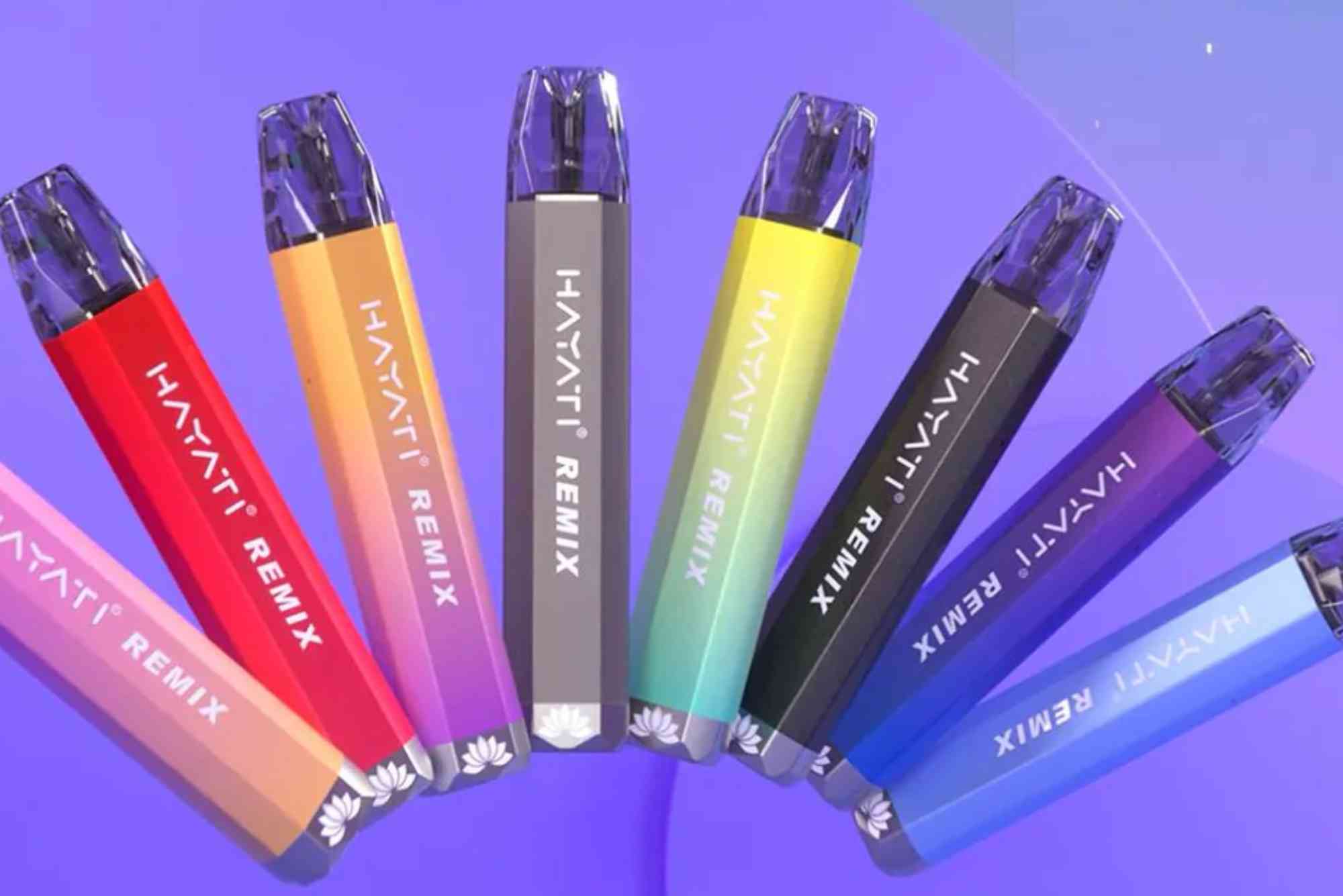
Debunking the Myth: Why are Hayati Pro Max Vapes Illegal Hayati Pro Max vapes are often banned not because of their brand, but due to health and safety concerns. Unregulated ingredients, high nicotine levels, and faulty battery risks make them hazardous. Authorities prohibit them to protect public health, dispelling the myth that legality issues are purely commercial or arbitrary.