Introduction
The question “Do vapes have tobacco?” continues to stir debate among smokers, health experts, and policymakers. As vaping becomes more mainstream, many wonder if this popular smoking alternative is truly a safer choice or just another marketing trick.
This in-depth guide explores what’s inside vapes, how they differ from cigarettes, and whether they represent a real solution to smoking addiction—or merely another form of nicotine dependence wrapped in sleek packaging.
Understanding Vaping and Its Growing Popularity
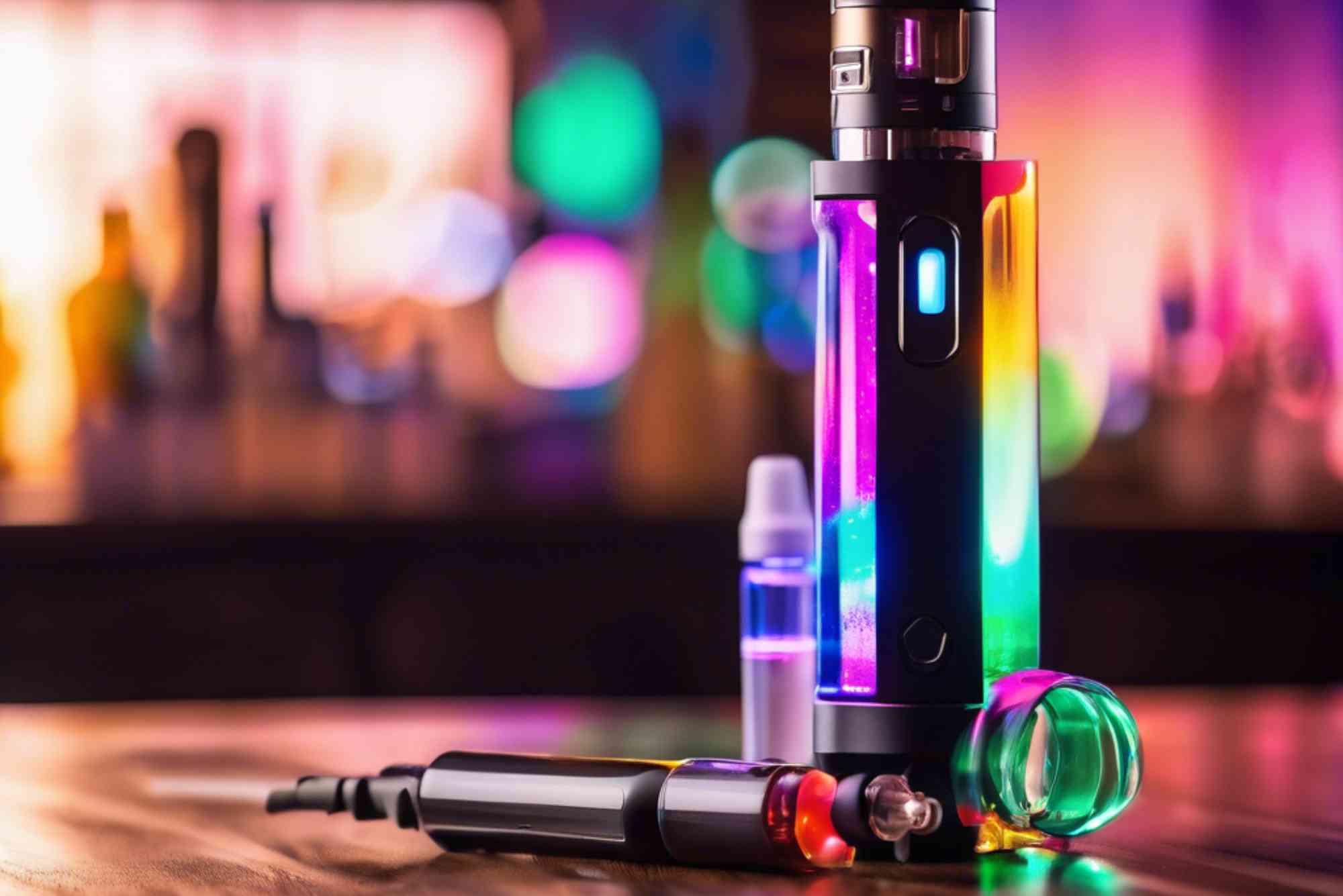
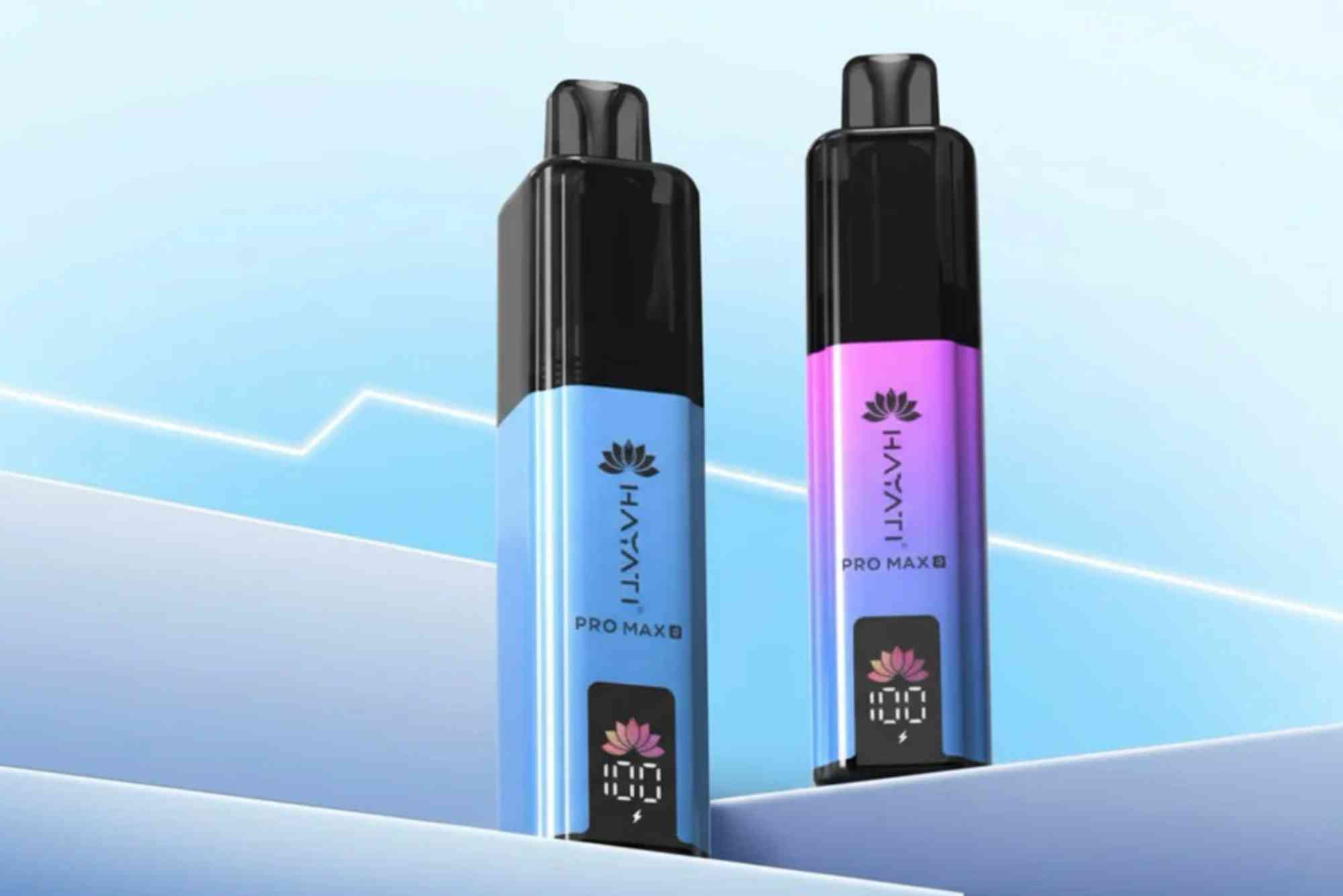
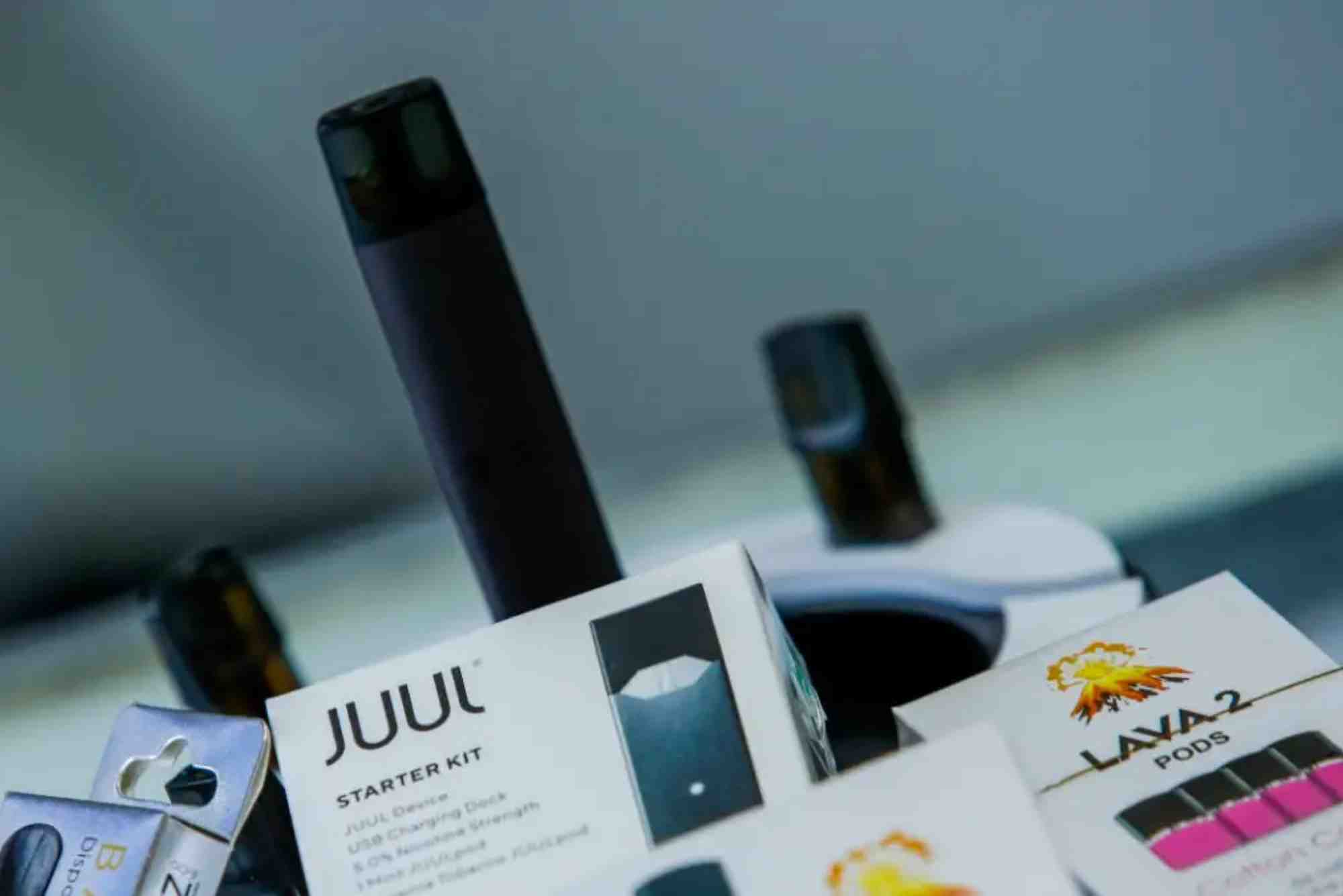
Vaping emerged in the early 2000s as a modern solution for smokers seeking to quit or reduce cigarette use. Unlike traditional cigarettes, which burn tobacco leaves, vapes heat a liquid—often called e-liquid or vape juice—to produce an inhalable aerosol.
The promise of fewer toxins and no smoke has made vaping seem like a “cleaner” alternative. However, the big question remains: if it’s not tobacco, what exactly are people inhaling?
Do Vapes Contain Tobacco?
Here’s the clear answer—vapes do not contain tobacco in leaf or physical form. However, many vape liquids contain nicotine, which is extracted from tobacco plants. So while you’re not burning or smoking tobacco, you may still be consuming a tobacco-derived substance.
This distinction is crucial. In traditional cigarettes, the burning of tobacco releases tar, carbon monoxide, and thousands of other harmful chemicals. Vapes, by contrast, deliver nicotine through vapor, eliminating combustion but not necessarily the addiction or health risks associated with nicotine.
What’s Actually Inside a Vape?
According to the CDC What’s in e cigarette aerosol, e-cigarettes typically contain:
- Nicotine: A highly addictive stimulant found in tobacco plants.
- Propylene Glycol and Vegetable Glycerin: Liquids that form vapor when heated.
- Flavorings: Chemical additives that provide taste—from mint and fruit to dessert flavors.
- Other Chemicals: Trace metals like nickel or lead, depending on device quality.
These ingredients vary across brands and products, but nicotine remains the common thread linking vapes to tobacco use—even without the plant itself.
Why People Think Vapes Are Tobacco-Free
Misleading Marketing and Labeling
Early e-cigarette marketing often promoted vapes as “tobacco-free.” While technically true—since no tobacco leaves are burned—this phrasing misled consumers into thinking they were free from nicotine’s addictive properties.
The Role of Nicotine-Free Options
Today, some vape brands sell nicotine-free e-liquids. These products contain the same base ingredients (propylene glycol, vegetable glycerin, and flavorings) but omit nicotine entirely. Despite this, they still fall under vaping regulations in many regions because of potential exposure to other chemicals.
The Perception of Reduced Harm
Vaping’s rise also stems from its image as a harm-reduction tool. Many smokers believe switching to vaping helps them quit cigarettes altogether. While this can be true for some, studies suggest others simply replace one nicotine source with another, maintaining their addiction in a different form.
The Science Behind Nicotine Extraction
Nicotine used in vape liquids typically comes from tobacco plants. Through chemical extraction, manufacturers isolate nicotine, purify it, and add it to e-liquids in varying concentrations. Some newer vapes use synthetic nicotine, made in labs rather than extracted from plants, but both forms stimulate the same brain receptors and carry similar addictive potential.
This means even if a vape claims to be “tobacco-free,” the presence of tobacco-derived nicotine still ties it back to the same chemical dependency.
Comparing Vaping and Smoking: The Real Differences
Combustion vs. Vaporization
Cigarettes burn tobacco at high temperatures, releasing over 7,000 chemicals—many toxic or carcinogenic. Vapes heat e-liquid without combustion, producing fewer harmful compounds.
However, fewer does not mean none. Aerosol from vapes can still contain formaldehyde, acetaldehyde, and ultrafine particles that irritate the lungs.
Secondhand Exposure
While secondhand smoke is a known health hazard, secondhand vapor also raises concerns. It contains nicotine and fine particles that can affect non-users, particularly in enclosed spaces.
Nicotine Delivery and Dependence
Both smoking and vaping deliver nicotine quickly to the brain, reinforcing addiction. For some, vaping leads to higher nicotine intake because they can use the device continuously without the natural pause that comes from finishing a cigarette.
Is Vaping a Real Solution to Smoking?
Potential Benefits
Many ex-smokers credit vapes for helping them quit traditional cigarettes. By gradually reducing nicotine concentration, users can taper off dependency. Public Health England and other bodies have recognized vaping as less harmful than smoking, though not risk-free.
The Downsides
Despite its potential benefits, vaping can also perpetuate addiction. Young users who start vaping without prior smoking experience may develop nicotine dependence, increasing their risk of later using tobacco products.
Regulatory Challenges
Countries like Australia and the UK regulate vaping differently, from banning certain products to allowing controlled nicotine sales. The constant policy shifts show ongoing uncertainty about vaping’s long-term role in public health.
The Hype Behind the Vape Industry
Vaping’s global popularity owes much to sleek marketing, appealing flavors, and the promise of a smoke-free lifestyle. However, many of these claims overlook the complexities of addiction and health risks.
Influencers, flashy ads, and celebrity endorsements often romanticize vaping as trendy and harmless. But behind the smoke (or vapor) lies a billion-dollar industry profiting from nicotine dependence in a new form.
Health Concerns You Should Know
Even without tobacco, vapes can cause:
- Respiratory irritation from chemical inhalation.
- Increased heart rate and blood pressure from nicotine.
- Lung injury, as seen in EVALI (E-cigarette or Vaping product use-Associated Lung Injury) cases.
- Potential gateway effects, leading teens to traditional smoking.
According to health experts, the safest choice remains not to use nicotine products at all.
Understanding the Psychological Factor
Vaping often satisfies both the physical addiction to nicotine and the behavioral ritual of smoking. The hand-to-mouth action, the visible vapor, and the sensory cues mimic traditional smoking habits—making it harder for users to fully quit.
The Future of Vaping: Regulation and Awareness
As research evolves, so do vaping regulations. Governments are tightening restrictions on flavored e-liquids, youth marketing, and online sales. Health campaigns now emphasize education over prohibition, focusing on informed choices rather than fear-based messaging.
Whether vaping becomes a legitimate tool for smoking cessation or fades as another passing trend depends largely on continued research and responsible regulation.
FAQs
Do vapes contain any tobacco?
No, vapes don’t contain tobacco leaves. However, most use nicotine derived from tobacco plants.
Are nicotine-free vapes completely safe?
Not entirely. Even without nicotine, they may contain chemicals and flavorings that irritate the lungs.
Is vaping better than smoking?
It’s likely less harmful because it avoids combustion, but it’s not harmless. Long-term effects are still being studied.
Can vaping help me quit smoking?
For some, yes. Gradually reducing nicotine levels in e-liquids can support cessation—but only with proper guidance.
What happens if I vape every day?
Daily vaping exposes you to nicotine and chemical aerosols, which can affect lung and heart health over time.
So, do vapes have tobacco? No—but they often have nicotine that originates from tobacco. That subtle distinction makes all the difference. Vaping may offer a less harmful alternative for smokers seeking change, but it’s not the ultimate solution.