The e-liquid market has grown rapidly, offering a variety of choices for vapers. But why do prices vary so much between different brands or products? Understanding e-liquid pricing helps you make better buying decisions, avoid overpaying, and ensure you’re getting quality for your money.
In this guide, we break down the key factors influencing the cost of e-liquid—from the ingredients used to the role of packaging and marketing. Whether you’re a beginner or a seasoned vaper, this deep dive into e-liquid pricing will give you clarity and confidence.
The Basics of E-Liquid Composition
At its core, e-liquid—also known as vape juice—is a blend of four main components: propylene glycol (PG), vegetable glycerin (VG), nicotine, and flavorings. Each of these plays a direct role in the final cost of the product.
Quality of Ingredients
High-quality VG and PG often come from pharmaceutical-grade sources, which are more expensive than industrial-grade variants. The purity of nicotine also matters. Premium e-liquids use nicotine salts or lab-tested freebase nicotine to deliver smoother hits—an upgrade that raises the cost.
Flavorings can make or break an e-liquid. Crafting complex, layered flavors with natural extracts or food-grade additives increases the production cost compared to synthetic, one-note flavorings.
Manufacturing Standards and Safety
Where and how an e-liquid is made significantly affects its price.
Lab Conditions and Certifications
Manufacturers operating in ISO-certified cleanrooms follow strict hygiene and quality control protocols. These conditions ensure safety and consistency but involve higher operating expenses, which are reflected in the retail price.
Batch Testing and Quality Assurance
Reputable brands invest in third-party testing to confirm the absence of harmful substances like diacetyl or heavy metals. This testing ensures consumer safety but adds to production costs, influencing e-liquid pricing.
Packaging and Presentation
The first thing most consumers notice is the bottle. But packaging does more than look good—it impacts pricing too.
Bottle Material and Design
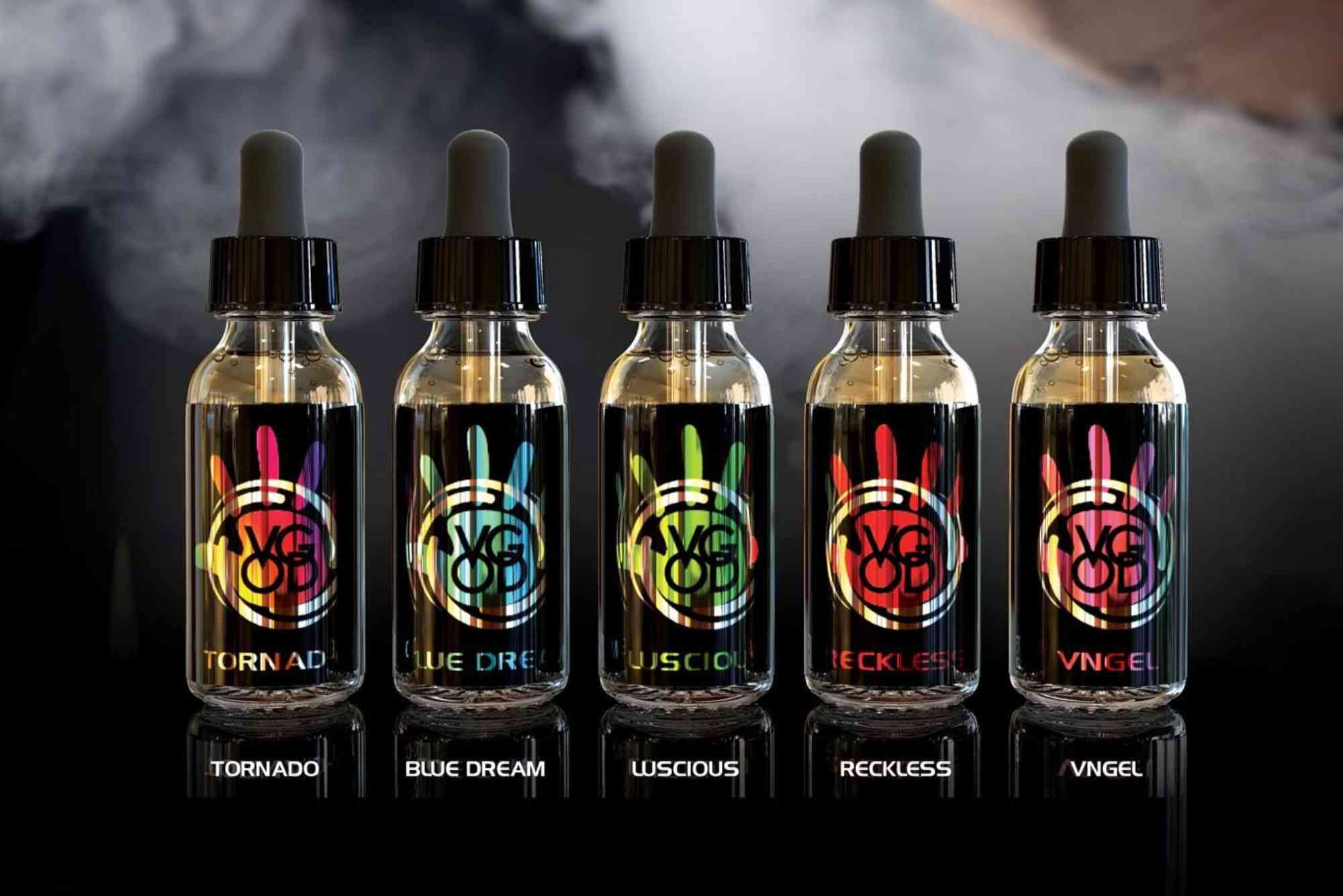
Glass bottles with droppers are more expensive than plastic squeeze bottles. Some brands use child-resistant caps or UV-resistant materials, both of which add to production costs. Custom label printing and detailed graphic designs also increase the overall price.
Brand Positioning and Marketing Costs
Just like with fashion or tech, branding affects how much you’ll pay.
Brand Reputation
Well-established brands often charge more based on their track record of quality and customer trust. You’re not just paying for the product; you’re also paying for years of customer service, research, and brand development.
Advertising and Sponsorships
Marketing expenses, including influencer sponsorships, social media ads, and event promotions, are usually factored into the final price. A flashy campaign means a more expensive bottle.
Regulatory Compliance
Compliance with local laws and health regulations is another hidden cost that affects e-liquid pricing.
Market-Specific Regulations
In countries like the UK or EU, compliance with TPD (Tobacco Products Directive) requires manufacturers to limit nicotine strength, restrict bottle sizes, and submit lab test results. These extra steps cost time and money, which ultimately shows up in the price tag.
Scale of Production
How much of an e-liquid is produced at once can also affect its price.
Small-Batch vs. Mass Production
Artisan or boutique e-liquids made in small batches tend to be more expensive. They often focus on unique flavors and small runs, which makes economies of scale difficult. In contrast, large manufacturers can produce high volumes at lower costs, making their products more affordable.
Distribution and Retail Markup
From factory to your vape store, each step adds cost.
Wholesaler and Retailer Margins
Distributors and retailers usually apply a markup, which can vary widely. Direct-to-consumer brands might offer better pricing by cutting out the middleman, but they may compromise on service or availability.
Nicotine Type and Strength
The choice of nicotine plays a significant role in e-liquid pricing.
Freebase vs. Nicotine Salts
Nicotine salts are smoother and absorb faster but require special processing, making them costlier than traditional freebase nicotine. Higher nicotine concentrations may also incur more regulation, further increasing the price.
Flavour Complexity
Single-flavor e-liquids are cheaper to make than those with multi-layered, gourmet profiles.
Crafting Unique Blends
Some brands work with flavor chemists to replicate desserts, beverages, or exotic fruits. This level of craftsmanship requires time, testing, and more expensive ingredients—driving up the price.
Country of Origin
Where your e-liquid is made influences both quality and cost.
Domestic vs. Imported
Locally made products may be cheaper due to reduced shipping and import taxes. However, some imported brands carry a premium due to perceived quality or brand prestige.
The Role of Supply Chain Disruptions
Economic and global events can affect availability and pricing.
Ingredient Shortages
A shortage in VG or flavoring components can temporarily raise e-liquid pricing. Global supply chain issues or political instability may also contribute to price hikes across the board.
Should You Pay More for Premium E-Liquids?
Sometimes, yes—but not always. The key is to understand what you’re paying for. Premium brands often invest more in safety, flavor development, and customer support. But if you’re just starting or prefer simple flavors, budget-friendly options can offer great value.
FAQs: What People Also Ask
Why are some e-liquids more expensive than others?
Because of differences in ingredient quality, production standards, branding, and compliance costs.
Does a higher price mean better quality?
Not always, but premium pricing often reflects better ingredients, testing, and flavor complexity.
Are cheap e-liquids safe to use?
They can be, but always check for lab testing and customer reviews to ensure safety and reliability.
Do nicotine salts cost more than regular nicotine?
Yes, because they require more advanced processing and deliver smoother performance.
Is it worth buying premium e-liquid?
If you value flavor, consistency, and safety, premium products often justify their higher cost.
Making Smart Choices in E-Liquid Pricing
E-liquid pricing is shaped by many factors, from ingredient sourcing to brand positioning. Understanding these elements empowers you to choose a product that suits both your taste and your budget.