
Introduction
Electronic cigarettes, or e-cigarettes, have become a global trend in recent years, often marketed as a “safer” alternative to traditional smoking. But as their popularity soars, so do questions about electronic cigarette health risks. Are they truly a harm-reducing innovation or just another health hazard cloaked in modern appeal?
Understanding What Electronic Cigarettes Really Are
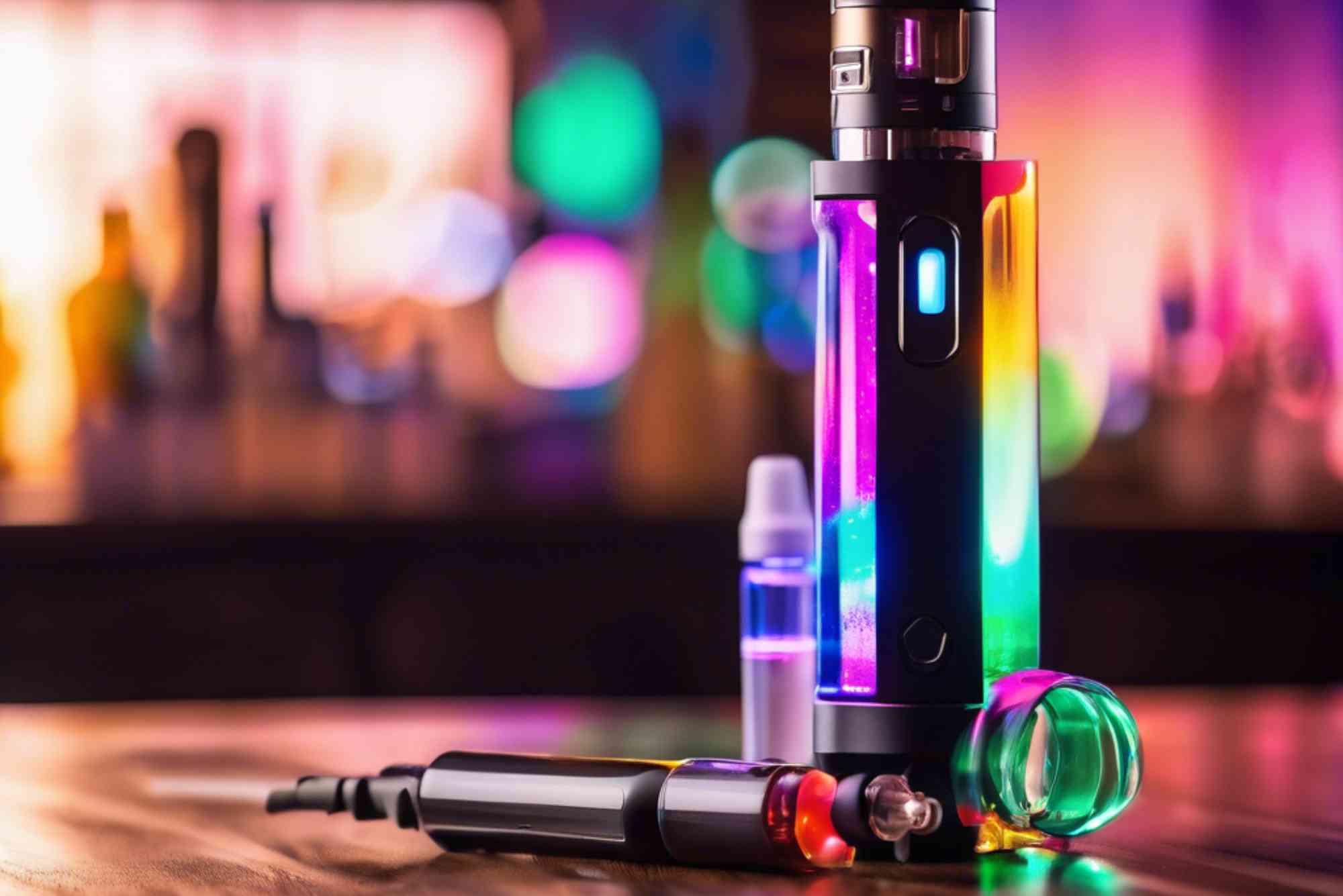
Electronic cigarettes are battery-operated devices that heat a liquid—commonly known as e-liquid or vape juice—to create vapor. Users inhale this vapor, mimicking the act of smoking but without burning tobacco.
The Basic Components
Most e-cigarettes include a battery, a heating coil, and a cartridge or tank that holds the liquid. The liquid typically contains nicotine, propylene glycol, vegetable glycerin, and flavorings. While this might seem harmless compared to tobacco smoke, the reality is more complex.
The Promise of Harm Reduction
Manufacturers claim that e-cigarettes reduce harm because they don’t involve combustion. Indeed, studies suggest that vaping may expose users to fewer toxic chemicals than cigarettes. However, this doesn’t mean they are risk-free. Health experts continue to debate their safety, especially for non-smokers and young people.
The Rising Popularity of Vaping
E-cigarettes first entered the market in the early 2000s as a smoking cessation tool. Today, they have evolved into a lifestyle product. The appeal lies in their sleek designs, customizable flavors, and perceived modernity.
However, their accessibility and marketing to younger demographics have raised red flags. Countries worldwide are seeing an alarming rise in teenage vaping, raising concerns about new forms of nicotine dependency.
According to the World Health Organization E-cigarettes Q&A health risks, vaping can expose users to harmful substances, including nicotine and toxic chemicals, that affect brain development in adolescents and cause lung injuries.
Electronic Cigarette Health Risks You Should Know
Despite the lack of long-term data, numerous studies have already revealed potential dangers linked to e-cigarette use. Understanding these health risks helps separate fact from hype.
Respiratory Problems
One of the earliest concerns about vaping involves lung health. While e-cigarettes don’t produce tar, the vapor contains fine particles that can irritate and inflame the lungs. Cases of EVALI (E-cigarette or Vaping Associated Lung Injury) have been reported, particularly among users of counterfeit or unregulated vape products.
Cardiovascular Concerns
Nicotine, a core ingredient in most e-liquids, increases heart rate and blood pressure. Over time, this can lead to heart disease. Research indicates that vaping may cause similar vascular damage as smoking, undermining claims that it’s a “safe” alternative.
Chemical Exposure
Although e-liquids contain fewer chemicals than tobacco, they still include substances like formaldehyde and acrolein, both known to harm the respiratory system. The heating process can also produce toxic compounds not listed on product labels.
Addiction and Brain Development
Nicotine remains one of the most addictive substances known to science. For adolescents, vaping can alter brain circuits that control attention, learning, and mood. Many experts fear e-cigarettes could serve as a gateway to smoking traditional cigarettes later in life.
The Myth of Safe Vaping
A common misconception is that vaping is entirely safe. While some adults have successfully used e-cigarettes to quit smoking, the long-term health outcomes are still uncertain.
Lack of Regulation
Many e-cigarette brands are not strictly regulated, leading to inconsistencies in product quality. Unverified claims about “nicotine-free” options often prove false upon testing.
Flavorings and Hidden Dangers
Flavoring chemicals, such as diacetyl (linked to “popcorn lung”), add further risk. These compounds may be safe for ingestion but harmful when inhaled. Fruity and candy-like flavors also make vaping more attractive to youth, perpetuating addiction.
Are E-Cigarettes a Real Solution for Smokers?
For adult smokers struggling to quit, e-cigarettes may appear as a less harmful choice. However, experts caution that using them as a cessation tool requires professional guidance and awareness of associated risks.
Harm Reduction Perspective
Public Health England previously stated that vaping is likely less harmful than smoking traditional cigarettes. However, that doesn’t make it harmless. The World Health Organization emphasizes that switching from cigarettes to e-cigarettes does not eliminate nicotine addiction or chemical exposure.
The Quit-Smoking Paradox
Some users transition from cigarettes to e-cigarettes but never quit nicotine altogether. This dual use undermines the supposed health benefits. For true cessation, the goal should be complete nicotine withdrawal, not substitution.
Scientific Findings on Electronic Cigarette Health Risks
Short-Term Effects
Short-term use may cause throat irritation, coughing, dizziness, and elevated heart rate. Some users also report dry mouth and headaches due to dehydration from propylene glycol.
Long-Term Unknowns
The absence of decades-long studies leaves many questions unanswered. Since e-cigarettes are relatively new, researchers cannot yet fully assess their impact on chronic diseases like cancer or heart disease.
Secondhand Exposure
Even non-users aren’t entirely safe. Secondhand vapor can contain nicotine and ultrafine particles, potentially affecting indoor air quality and the health of bystanders.
The Role of Policy and Public Awareness
Governments worldwide are grappling with how to regulate vaping effectively. While some countries restrict advertising and sales to minors, others have implemented complete bans.
Public Health Campaigns
Educational initiatives are crucial to dispelling myths and raising awareness about electronic cigarette health risks. Schools, health departments, and parents play key roles in preventing youth vaping.
WHO’s Standpoint
The World Health Organization urges caution, stating that e-cigarettes should not be promoted as harmless alternatives. You can read more at WHO’s official E-cigarettes Q&A on health risks, which provides verified, science-based guidance for policymakers and the public.
Consumer Responsibility: Making Informed Choices
Awareness is the first step toward health protection. Whether you’re a smoker considering vaping or a non-smoker curious about trends, informed decisions matter.
Check the source of your e-liquid, verify product authenticity, and avoid unregulated or black-market products. Remember that vaping is not risk-free, and quitting all nicotine forms remains the healthiest option.
FAQs
Are electronic cigarettes safer than traditional cigarettes?
E-cigarettes may expose users to fewer harmful chemicals, but they are not safe. They still deliver nicotine and other toxic substances.
Can vaping help you quit smoking?
Some people use e-cigarettes to reduce smoking, but many end up maintaining nicotine addiction. Consulting a healthcare professional is essential for effective cessation.
What are the side effects of vaping?
Short-term effects include coughing, dry mouth, and dizziness. Long-term effects may involve lung and heart issues.
Is secondhand vapor dangerous?
Yes. It can contain nicotine and fine particles that may harm non-users, especially children and those with respiratory conditions.
What does the World Health Organization say about vaping?
According to the WHO, vaping poses health risks, especially for young people and non-smokers. It should not be seen as a harmless alternative.
E-cigarettes began as a hopeful solution to the global smoking epidemic. Yet, as evidence grows, their safety claims appear increasingly clouded. While they may reduce certain harms compared to cigarettes, electronic cigarette health risks cannot be ignored.
For smokers seeking to quit, professional guidance and medically approved methods—like nicotine patches or behavioral therapy—remain the most effective and safest paths.
Before choosing vaping as an alternative, educate yourself using trusted sources like the World Health Organization E-cigarettes Q&A health risks. Your health deserves clarity, not hype. Make informed choices today for a smoke-free, vape-free tomorrow.