Introduction
Vaping has been controversial for years, especially now that FDA approved vapes Kentucky are gaining attention. In 2025, Kentucky passed a law banning the sale of most vape products unless they have marketing authorization or a pending application with the FDA, drastically changing what vapes consumers can legally buy. This shift prompts an important question: are FDA authorized vaping products a real solution or just another form of vaping hype?
Vaping Regulation in Kentucky and the U.S.
Vaping products, technically known as electronic nicotine delivery systems (ENDS), are regulated by the U.S. Food and Drug Administration (FDA). To be legally marketed in the United States—including Kentucky—vape products must undergo a rigorous premarket review process known as the Premarket Tobacco Product Application (PMTA). Only products that receive an authorization order from the FDA can be sold legally. The FDA explicitly warns that “authorized” products are not necessarily safe or approved in the sense of medicines, but that the review process determined they are appropriate for the protection of public health.
Kentucky’s House Bill 11, effective January 1, 2025, requires vape products sold in the state to be on an official registry tied to the FDA authorization process. This means that only a small number of today’s products—mostly major brands that have gone through the PMTA pathway—can be legally sold.
How the FDA Reviews Vape Products
The PMTA Pathway
Vape manufacturers must submit a Premarket Tobacco Product Application (PMTA) to the FDA for each new product. This process evaluates scientific evidence to determine whether allowing a product on the market is appropriate for the protection of public health. The FDA weighs potential benefits—such as helping adult smokers switch from combustible cigarettes—against risks such as youth uptake.
Only products that pass this evaluation are given marketing authorization orders. As of late 2025, the FDA has authorized dozens of e-cigarette products and devices, mostly tobacco- and menthol-flavored offerings from major manufacturers.
What “Authorized” Does and Doesn’t Mean
It’s crucial to understand the nuance: FDA authorization does not mean a product is “safe,” nor does it mean the FDA approves it in the way medicines are approved. Instead, authorization reflects a scientific judgment that a product’s availability is justified under public health standards. All authorized vaping products still contain nicotine, an addictive substance harmful to health.
In addition, the FDA continues to issue warnings and take action against unauthorized products, especially those that appear to appeal to youth or evade regulations.
Kentucky’s Vape Law: What Changed
House Bill 11 and the Registry
Kentucky’s 2024 legislature passed House Bill 11, which requires all vaping products sold in the state to either have complete marketing authorization from the FDA, have submitted a PMTA before required deadlines and remain under review, or have a valid “safe harbor” certification. If a product does not meet these criteria, retailers cannot legally sell it in Kentucky.
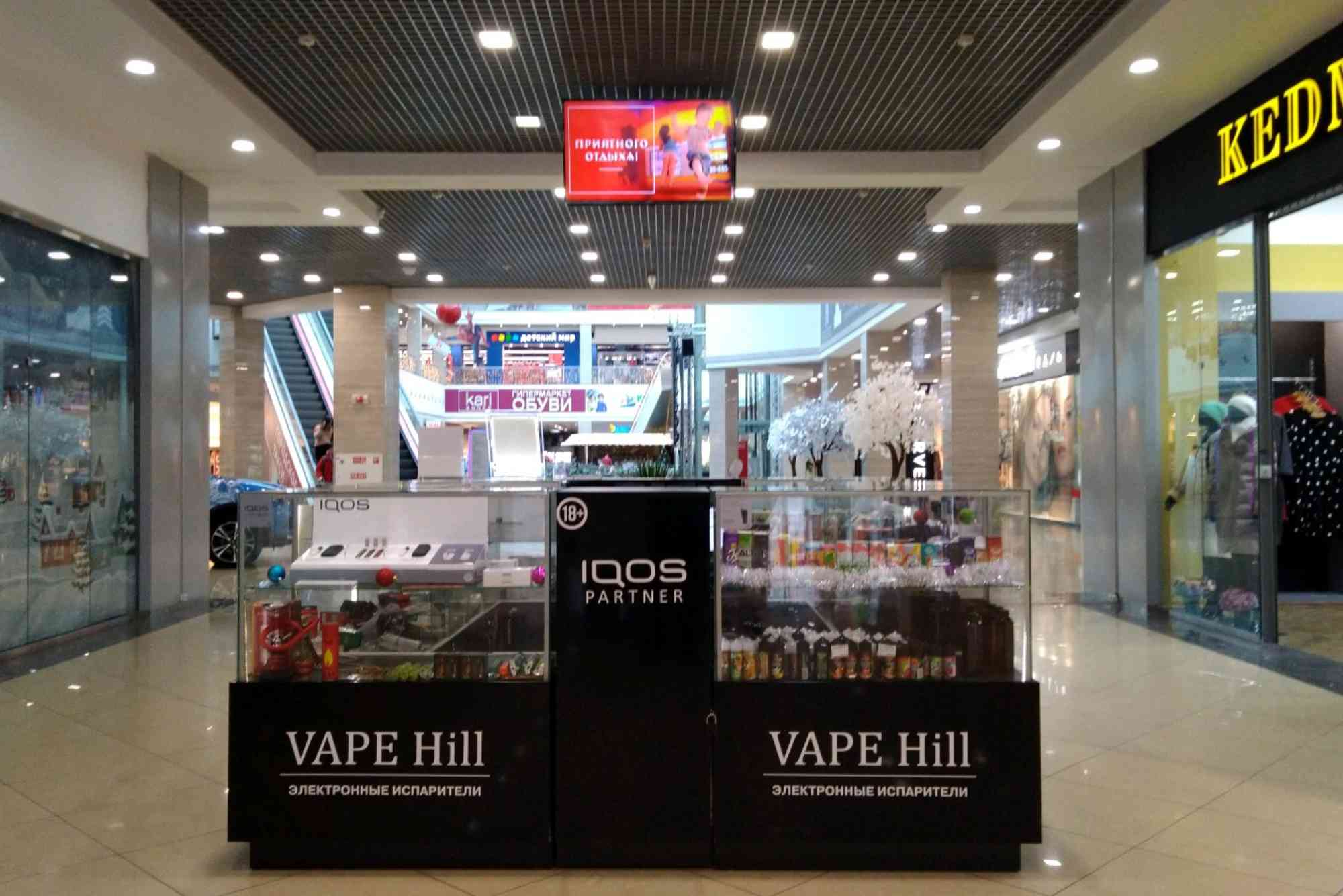
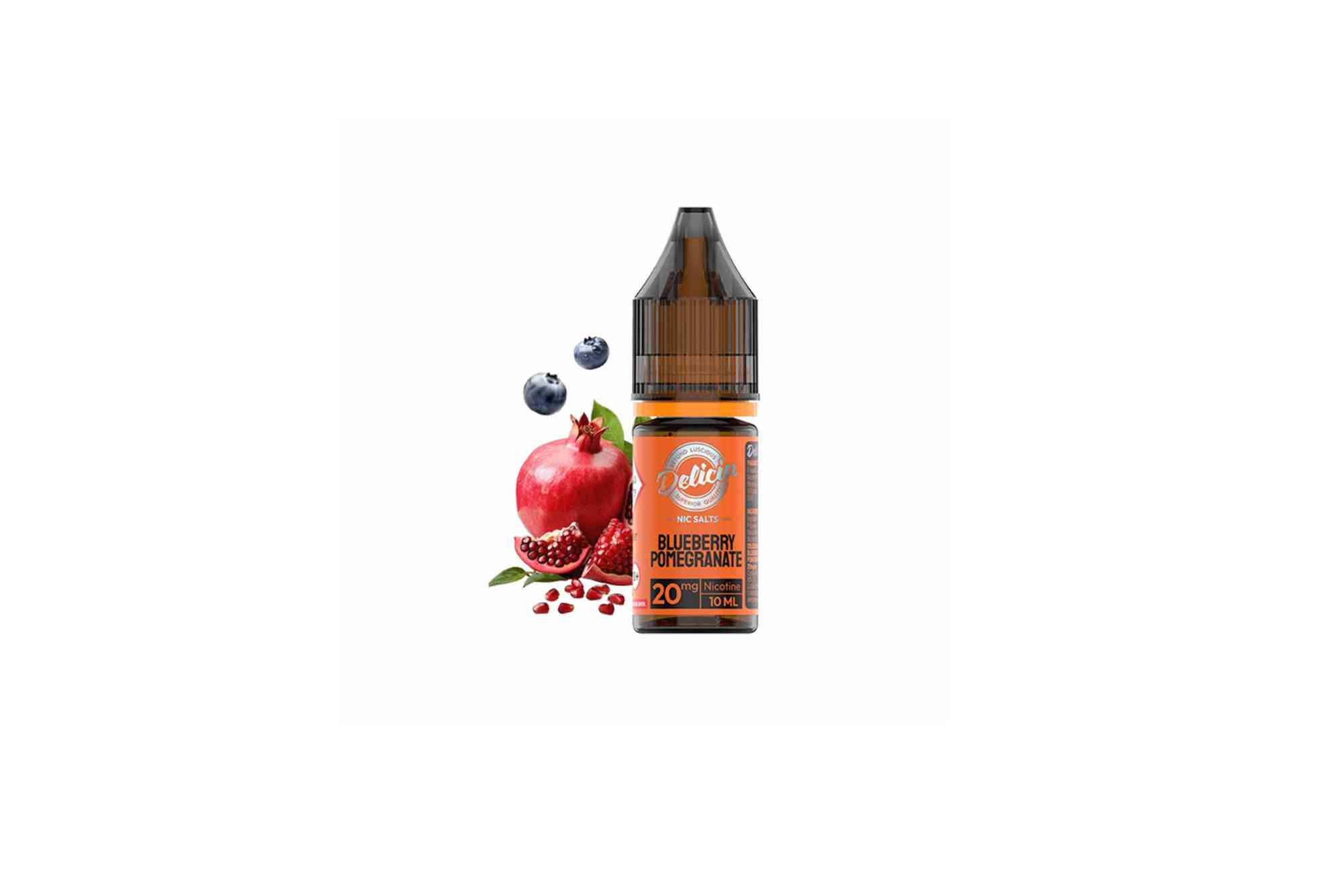
This law has led to a dramatic reduction in the variety of vaping products available in stores. Popular flavored disposables—which previously dominated shelves—were largely removed because they lacked FDA authorization.
Impact on Consumers and Retailers
For consumers, this means fewer flavored options and more reliance on major brands with deep regulatory compliance resources. Retailers must verify each product’s status, risking penalties for selling unauthorized products. This regulatory tightening aims to reduce youth access and align state policy with federal public health goals.
Is FDA Authorization a Real Solution?
Public Health Goals vs. Harm Reduction
Supporters argue that requiring FDA authorization ensures only products with some evidence of consumer benefit relative to risk remain available. It also aligns with broader efforts to curb youth vaping by limiting flavored or novelty products that attract young users.
However, critics point out several limitations:
- Even authorized products still contain nicotine and carry health risks.
- State laws may be stricter than what federal enforcement can currently handle, creating market gaps.
- Some argue that the slow pace of FDA reviews leaves many potentially safer vaping products off the market, pushing consumers toward unregulated alternatives.
Youth Vaping and Regulation
One key justification for tighter regulation is the rise of youth vaping, which has been linked to flavored disposable products and aggressive marketing. Restricting unauthorized products—especially flavored ones—may reduce teen use. But enforcement challenges and illicit markets could undercut these goals.
Is It Just Hype?
Some view FDA authorized vapes as hype because:
- They’re still harmful and addictive.
- They can be marketed as less harmful than cigarettes, which can be misleading.
- The limited number of authorized products doesn’t reflect the full diversity of consumer needs.
Others argue that vaping, when regulated responsibly, can be part of harm reduction for adult smokers who cannot quit otherwise.
The truth likely lies somewhere in between: authorized vaping products represent a regulatory step forward, but they’re not a silver bullet for public health.
Real Solution or Hype?
FDA authorized vapes in Kentucky present a mix of promise and limitations. On one hand, strict regulations aim to protect public health and limit youth access. On the other, the reality is that these products are not risk-free and still contain nicotine.
For smokers seeking alternatives, switching completely to an U.S. FDA PMTA & authorized e cigarette products list authorized e-cigarette may reduce some harms associated with combustible cigarettes. At the same time, for non-smokers and young people, the safest choice remains avoiding vaping altogether. Curious about which vaping products are legally authorized and what regulations apply? You should always check FDA authorization status to make informed decisions.
Understanding the legal landscape around youth and tobacco alternatives is important for parents, educators, and teens alike. In the United States, there are strict age limits that generally prohibit the sale and use of vaping products to individuals under 18 (and in many states under 21), but questions remain about enforcement and public perception. To get a clearer view of whether vaping under 18 is truly illegal in the USA and if current laws , check out this detailed discussion:
Discover the latest in vaping technology with NeoVapex! From premium e-liquids to cutting-edge vape devices, NeoVapex offers quality, safety, and style for every vaper. Explore our collection and elevate your vaping experience today. Visit now:
FAQs
What vape products are FDA authorized in 2025?
Only a limited number of tobacco- and menthol-flavored products from major manufacturers have received authorization. There is no broad list of flavored options authorized beyond those on the official FDA list.
Does FDA approval mean a vape is safe?
No. FDA authorization indicates a public health review, not safety approval like for pharmaceuticals. All authorized vaping products still carry health risks.
Can I buy any vape I want in Kentucky?
No. Kentucky law prohibits the sale of unauthorized vaping products and maintains a state registry tied to PMTA authorization status.
Why are flavored vapes limited?
Many flavored vapes have not been authorized because they fail to demonstrate sufficient public health benefit relative to risks, especially given youth appeal.
Is vaping a good smoking cessation tool?
Some public health experts suggest vaping may help adult smokers transition away from cigarettes, but evidencevaries. Discuss cessation strategies with a healthcare provider.