Is it Illegal to Sell Vapes Without a License – What Vapers Should Know
Selling vape products has become a hot topic across the world due to rising regulations, health concerns, and strict government oversight. If you have ever wondered, is it illegal to sell vapes without a license, the answer is not only important for sellers but also for buyers. With vaping continuing to grow as an alternative to smoking, laws surrounding its sale have become more complex. This article explores the legal side of vape sales, why licensing matters, potential consequences of unlicensed sales, and what vapers should understand about the products they purchase.
Why Vape Licensing Exists
Vape licensing requirements were introduced to regulate a fast-growing market that was initially unmonitored. When vaping first appeared, e-cigarettes and vape juices were sold widely without restrictions. Over time, governments noticed a surge in youth usage, counterfeit products, and safety concerns. Licensing laws ensure that sellers comply with age restrictions, product safety rules, and taxation requirements.
Licensing also protects consumers. A licensed vape shop usually sources products from verified manufacturers, reducing the risk of fake or harmful e-liquids. Without regulation, harmful substances could easily enter the market.
Is It Illegal to Sell Vapes Without a License?
Yes, in most regions, selling vapes without a license is illegal. The laws vary by country and even by state or city, but the trend is clear: governments require businesses to obtain special permits before selling vape products.
For example, in the United States, most states require tobacco or nicotine licenses for vape shops. Some also mandate FDA compliance and local business permits. In the United Kingdom, vape retailers must register under the Tobacco and Related Products Regulations (TRPR). Similarly, countries like Australia, Canada, and many in Europe enforce strict licensing rules for vape sales. Operating without a license is considered unlawful trade. It can lead to hefty fines, confiscation of products, and even criminal charges.
What Happens if You Sell Vapes Without a License
Selling vapes without authorization carries significant penalties. While exact punishments depend on local laws, the most common consequences include:
Financial Penalties
Authorities often impose large fines on unlicensed sellers. Depending on the jurisdiction, these can range from hundreds to tens of thousands of dollars.
Business Closure
Shops caught selling without proper licensing may be shut down immediately. Online sellers can also face website takedowns or platform bans.
Criminal Charges
In severe cases, selling without a license may lead to misdemeanor or even felony charges. Repeat offenders are especially at risk of criminal prosecution.
Seizure of Goods
Law enforcement has the right to seize vape stock from unlicensed vendors. This means losing your entire inventory, which can be financially devastating.
Damage to Reputation
Consumers are becoming more aware of safe vaping practices. Being labeled as an unlicensed seller can destroy credibility and push customers away permanently.
Why Vapers Should Care About Vape Licensing
If you are a consumer, you might think licensing only affects sellers. However, buying from unlicensed vendors carries risks. Licensed stores must meet quality and safety standards, while unregulated sellers often cut corners.
Unlicensed sellers may stock counterfeit devices, unsafe batteries, or vape juices with untested ingredients. These products can cause health hazards such as respiratory irritation, chemical poisoning, or even device explosions. Additionally, buying from unauthorized sellers may expose vapers to legal issues if the products are smuggled or untaxed.
How to Verify if a Vape Seller is Licensed
Before purchasing vape products, vapers should confirm that the retailer operates legally. Here are some signs to look for:
- The shop displays its business license or tobacco/nicotine permit.
- Online stores mention compliance with FDA, TRPR, or local regulations.
- Products carry proper labeling, health warnings, and ingredient lists.
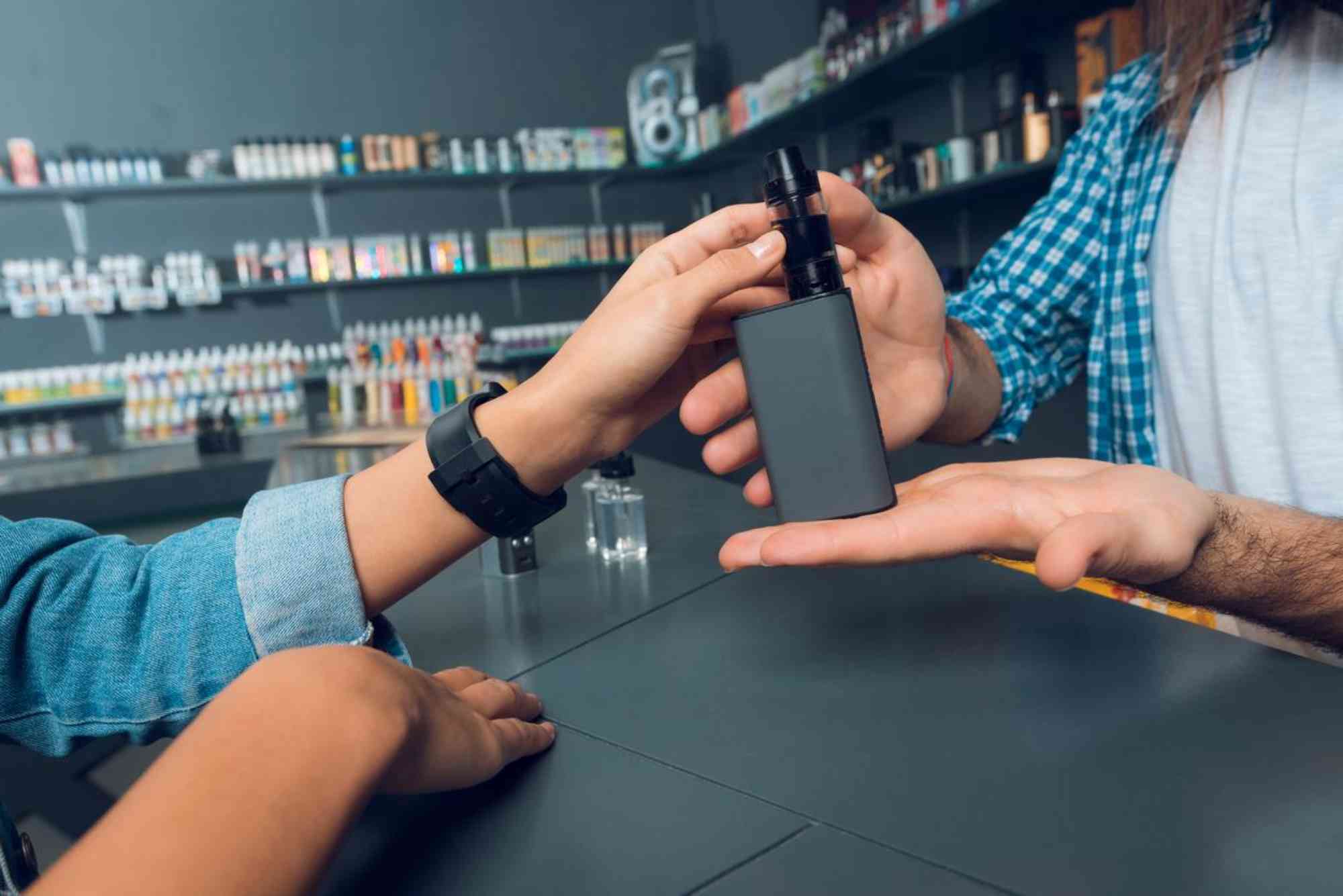
- The seller enforces age verification at the time of purchase.
If a vendor avoids these practices, they may not be licensed. In such cases, it is safer to buy from a reputable alternative.
The Importance of Age Restrictions
One major reason vape sales are regulated is to prevent underage use. Licensed sellers are legally required to check IDs and deny sales to minors. In contrast, unlicensed sellers often ignore these rules, making it easier for teens to access vape products. This is why governments crack down hard on illegal sales.
For vapers, buying from a licensed source ensures that the industry remains responsible and sustainable. Supporting unlicensed sellers indirectly contributes to youth access and undermines public trust in vaping.
Online Vape Sales and Licensing
The internet has created new challenges for vape regulation. Many unlicensed sellers operate online, targeting vapers with cheap prices and no age verification. While convenient, these purchases are risky.
Some countries ban online vape sales entirely unless the seller is licensed. Others allow it but require strict verification systems. Consumers should always check if the online vape store is registered and complies with their local laws.
How Licensing Protects the Industry
Licensing is not just about government revenue or control. It also protects the legitimate vaping industry. With licensing, only authorized businesses can operate, reducing the spread of counterfeit products and shady sellers. This creates a safer environment for both businesses and consumers.
Furthermore, a regulated market helps establish vaping as a credible alternative to smoking. Without proper rules, vaping could be dismissed as unsafe, leading to outright bans.
Global Differences in Vape Licensing
Vape licensing laws differ worldwide. Some examples include:
- United States: State laws vary, but most require tobacco retailer licenses. The FDA also regulates e-liquids and devices.
- United Kingdom: Retailers must comply with TRPR and register with government bodies.
- Canada: Vaping products are regulated under the Tobacco and Vaping Products Act.
- Australia: Nicotine vaping products require a prescription, making unlicensed sales highly illegal.
- European Union: Member states follow the EU Tobacco Products Directive, with licensing enforced locally.
These differences mean that vapers traveling abroad must pay attention to local laws to avoid legal issues.
What Vapers Should Do
As a responsible consumer, you should always purchase vapes from licensed retailers. Not only does this protect your health, but it also supports legal businesses. Here are some steps to follow:
- Ask the seller if they are licensed.
- Research local laws before buying online.
- Report suspicious vendors who sell without age verification.
- Choose quality over cheap, unregulated products.
By doing so, vapers help ensure that the market remains safe and accessible.
So, is it illegal to sell vapes without a license? In most parts of the world, the answer is yes. Governments require vape sellers to obtain proper permits to protect consumers, regulate age restrictions, and ensure product safety. Selling without a license can lead to fines, business closure, and even criminal charges.
For vapers, this means always buying from licensed sellers to guarantee safe and authentic products. Whether shopping in-store or online, checking a retailer’s license should be a top priority. If you are considering entering the vape business, apply for the required licenses before selling. Staying compliant not only protects you from penalties but also strengthens the vaping industry as a whole.
Frequently Asked Questions
Is it illegal to sell vapes on social media without a license?
Yes, selling vapes through platforms like Facebook or Instagram without proper licensing is illegal in most regions. Authorities can take action against such sellers.
Can I sell vapes from home without a license?
No. Even small-scale or home-based sales require licenses. Selling without one risks fines, product seizure, and criminal charges.
What if I only sell vape accessories, not nicotine?
Rules vary, but many jurisdictions still require a license for devices like mods, coils, and pods, especially if they can be used with nicotine products.
Is it illegal to resell vapes I bought legally?
Yes, unless you hold the required license. Reselling is considered retail activity and is subject to regulation.
How do I get a vape selling license?
You must apply through your local government or regulatory body. Requirements often include business registration, tax compliance, and age restriction enforcement systems.