Introduction
Vaping has grown rapidly over the past decade, attracting users from different age groups. But with its popularity comes legal questions and safety concerns. One common query from parents, teens, and even adult vapers is: is teen vaping illegal?
The answer is more than a simple “yes” or “no.” It depends on where you live, local enforcement, and the products involved. At the same time, battery safety is a critical but often overlooked part of vaping. Mishandling vape batteries can lead to dangerous accidents.
This guide covers both the legal side of teen vaping and the practical side of staying safe with vape devices, so you can make informed decisions and avoid unnecessary risks.
Is Teen Vaping Illegal? Understanding the Laws
The Global Perspective on Teen Vaping
In most countries, teen vaping is illegal when it involves individuals under the legal tobacco purchasing age — usually 18 or 21. Governments regulate vaping under tobacco or nicotine laws, making it unlawful for minors to buy or possess vape products.
Some countries have even stricter rules, banning vaping products entirely. Others focus on restricting flavored e-liquids, which are more appealing to younger users.
United States Regulations
In the U.S., the federal minimum age to purchase vaping products is 21. This applies to all nicotine-containing devices, regardless of state laws. Many states also prohibit minors from possessing vape devices in public spaces.
School districts often enforce their own penalties, including suspension, for vaping on school grounds. While enforcement varies, the legal baseline is clear — if you’re under 21, you cannot legally buy a vape in the U.S.
United Kingdom Laws
The UK prohibits the sale of e-cigarettes and e-liquids to anyone under 18. Retailers must verify age during purchases, and violations can lead to heavy fines. While possession isn’t always a criminal offense, schools have strict rules banning vaping on their premises.
UAE and Other Middle Eastern Rules
In the UAE, the legal vaping age is 18, and products must meet Emirates Authority for Standardization and Metrology (ESMA) requirements. Selling to minors is illegal, and penalties can be severe.
Other Middle Eastern countries, like Saudi Arabia, also set 18 as the legal age, though some regions have outright bans.
Why the Law Exists — Health Concerns for Teens
Governments restrict vaping for minors mainly due to health risks. Teen brains are still developing, and nicotine can interfere with that process, potentially leading to addiction.
In addition, studies suggest that vaping may increase the likelihood of future cigarette smoking among teens. Flavored vapes — like candy or fruit varieties — are especially controversial, as they are perceived to attract younger users.
Battery Safety for Vapers — Why It Matters
While legal awareness is crucial, safe device handling is equally important. Vape devices rely on lithium-ion batteries, which can be powerful but volatile if mishandled.
Knowing how to care for and use these batteries can prevent accidents like overheating, venting, or even explosions.
Common Causes of Battery Incidents
Battery accidents usually stem from preventable mistakes:
- Using damaged batteries
- Storing batteries loosely with coins or keys
- Using the wrong charger
- Overcharging or draining batteries completely
Each of these situations increases the risk of short circuits and dangerous malfunctions.
Best Practices for Vape Battery Safety
- Inspect before use – Check for dents, tears, or leaks.
- Use the right charger – Always use the charger recommended by the device manufacturer.
- Store properly – Keep batteries in a protective case, not in your pocket with loose metal objects.
- Avoid extreme temperatures – Heat and cold can damage battery integrity.
- Replace aging batteries – Performance drops and damage signs mean it’s time to get a new one.
Charging Safety Tips
Never leave a charging vape unattended. Unplug the charger once the battery is full to avoid stress on the cell. Using high-quality chargers with built-in protections can reduce risks.
Combining Legal Awareness with Safe Practices
Understanding is teen vaping illegal is only part of the picture. Even adult vapers must respect safety protocols, both to protect themselves physically and to ensure they remain compliant with local regulations.
Legal consequences for breaking vaping laws can range from fines to confiscation of devices. Safety consequences for neglecting battery care can be far worse.
Real-World Scenarios and Lessons Learned
Case Study — Teen Vaping in School
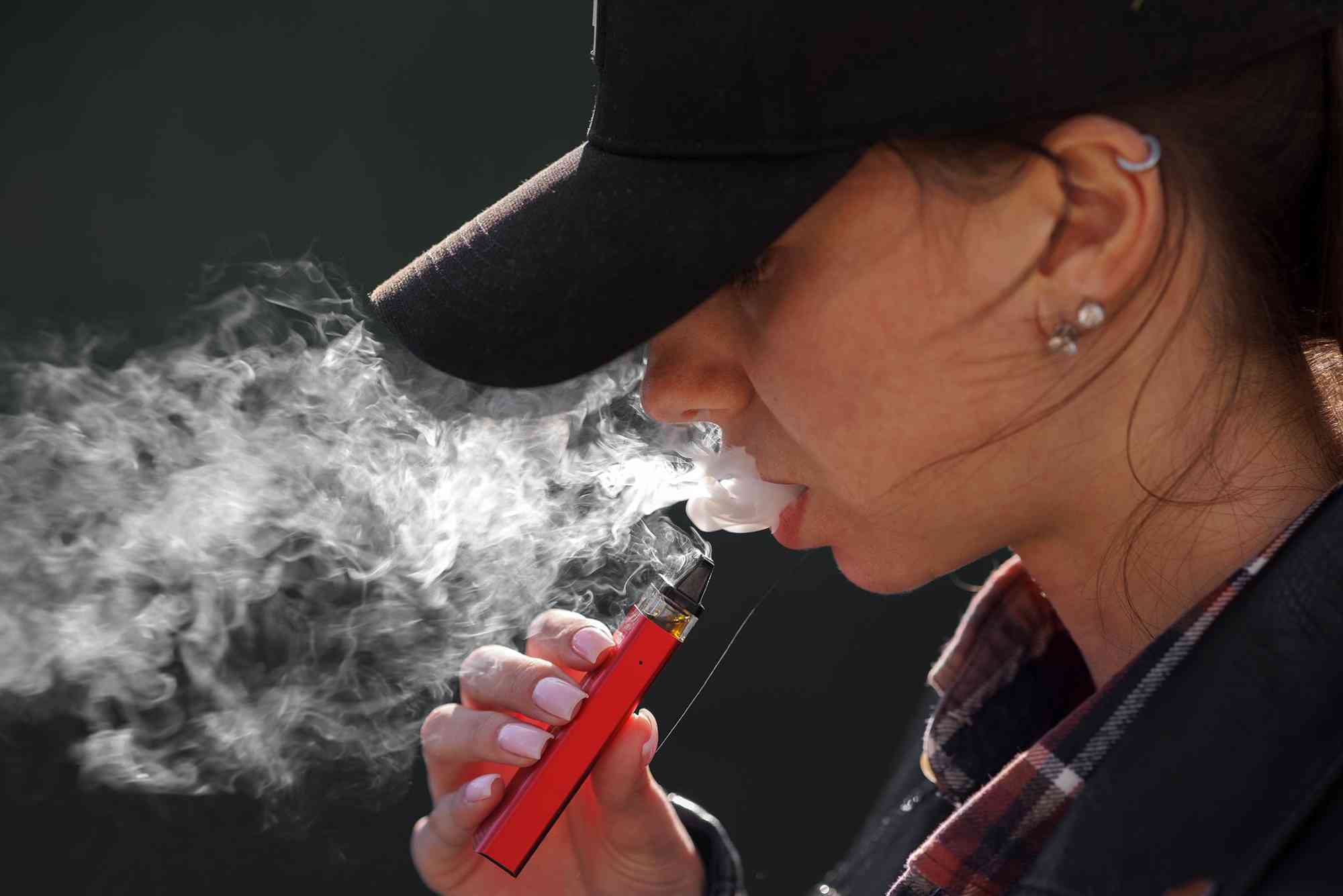
A 16-year-old in the UK was caught vaping on school grounds. While not arrested, the device was confiscated, parents were notified, and the student faced a suspension. The incident also sparked local discussions about enforcing age restrictions more strictly.
Case Study — Battery Explosion Incident
A U.S. adult vaper carried a spare 18650 battery loose in a pocket with coins. The battery short-circuited, causing severe burns. This could have been avoided with a simple $2 battery case.
FAQs — Is Teen Vaping Illegal & Battery Safety
Q1: Is teen vaping illegal everywhere?
No. While most countries ban vaping under a certain age, some areas have no explicit laws. Always check local regulations.
Q2: Can parents buy vapes for their teen?
In most regions, providing nicotine products to minors is also illegal, even for parents.
Q3: What happens if a teen is caught vaping?
Penalties vary from warnings to fines or school disciplinary actions. Legal charges are rare but possible in strict jurisdictions.
Q4: Are non-nicotine vapes legal fo#r teens?
Some countries regulate all vapes regardless of nicotine content. Others only restrict nicotine-containing products.
Q5: Can vape batteries explode?
Yes, if damaged or improperly handled. Proper storage and charging reduce this risk significantly.
Staying Informed and Safe
Vaping laws exist to protect public health, especially among young people. If you’ve ever wondered, is teen vaping illegal, the safest assumption is that it is — unless confirmed otherwise in your local laws.