Beginner Guide: Open vs Closed Vape Systems
Vaping has become a popular alternative to smoking, with a wide range of devices available on the market. If you are new to vaping or considering switching devices, understanding the difference between open vs closed vape systems is essential. This beginner guide will break down everything you need to know about these two common types of vape systems, helping you make an informed choice that suits your preferences and lifestyle.
What Are Vape Systems?
Before diving into the specifics of open vs closed vape systems, it’s important to understand what a vape system is. A vape system is the combination of components that allows you to inhale vaporized e-liquid or nicotine salt. This system generally includes the battery, tank or pod, coil, and e-liquid reservoir.
Vape systems can be broadly categorized into two types: open and closed. Each offers unique features, pros, and cons, which cater to different vaping needs.
Open Vape Systems
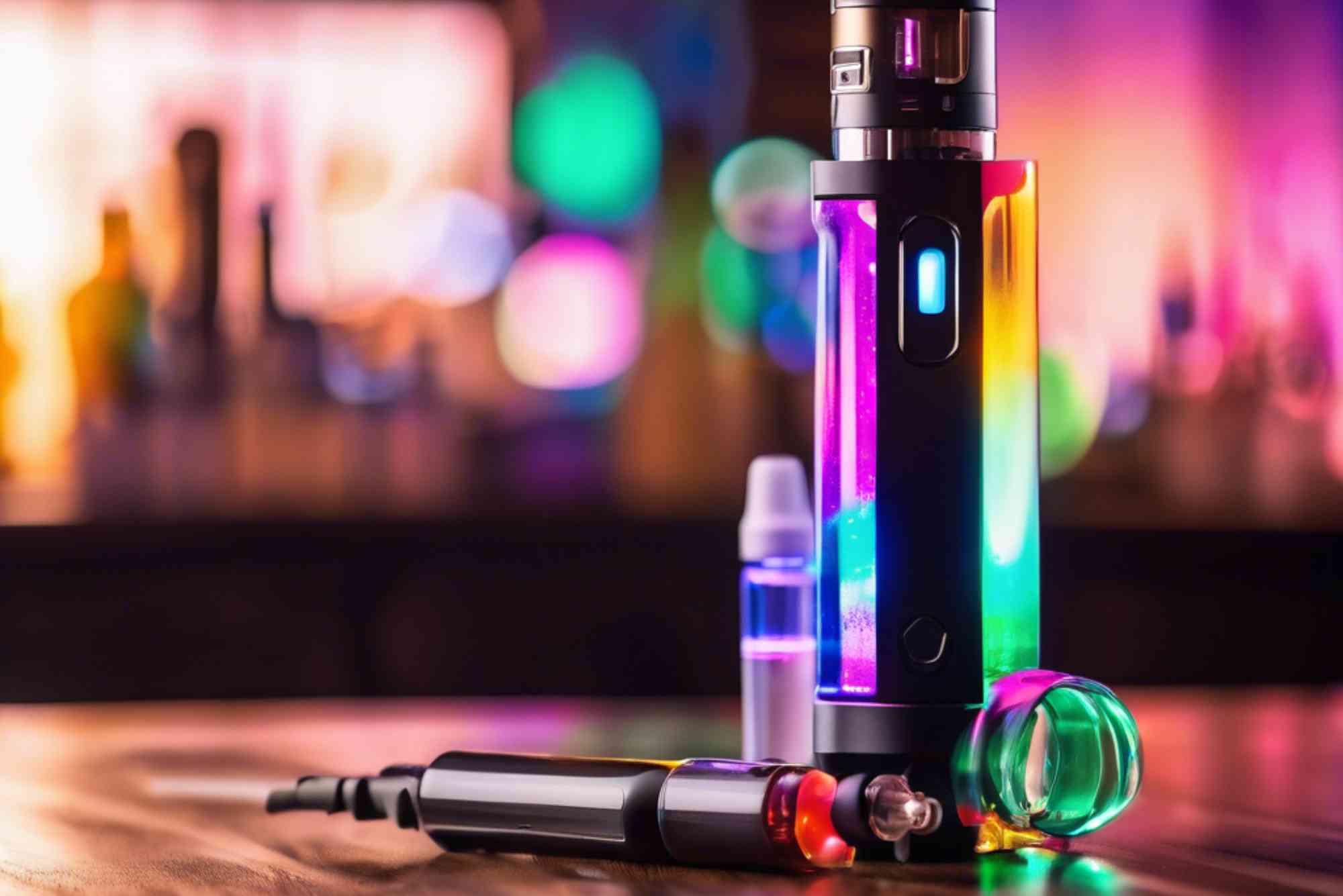
Open vape systems, often called refillable or tank systems, allow users to manually refill the e-liquid reservoir with their choice of e-liquid. These devices usually have a larger tank capacity and more customization options for power, coils, and airflow.
How Open Vape Systems Work
Open systems consist of a rechargeable battery paired with a refillable tank. You can choose from a vast variety of e-liquids, flavors, and nicotine strengths. When the e-liquid runs low, simply open the tank and refill it, giving you full control over what you vape.
Advantages of Open Vape Systems
Open systems provide flexibility, especially for experienced vapers. The ability to customize coils and airflow lets you control vapor production and flavor intensity. Moreover, open systems tend to produce more vapor, making them popular among cloud chasers.
Another advantage is cost-efficiency. Since you can buy e-liquid in bulk and refill your tank, the long-term cost is usually lower than disposable pods or prefilled cartridges.
Disadvantages of Open Vape Systems
Open systems require a bit more maintenance. Refilling tanks and changing coils regularly might be inconvenient for beginners. Also, because you handle the e-liquid directly, there is a slight risk of spills and leaks.
For beginners, it can take some time to learn how to properly fill the tank and maintain the device. Open systems are generally larger and less discreet compared to closed systems.
What Are Closed Vape Systems?
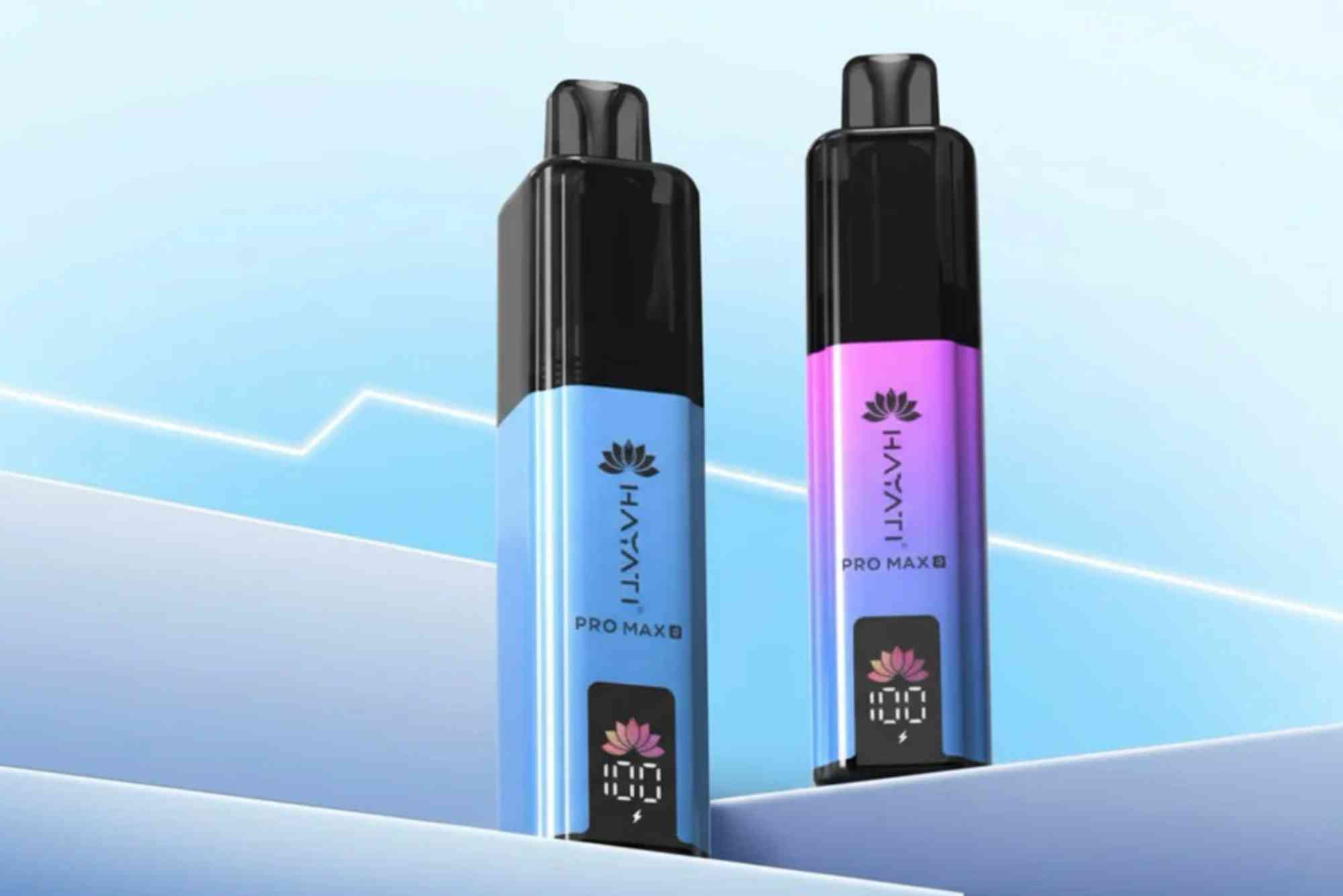
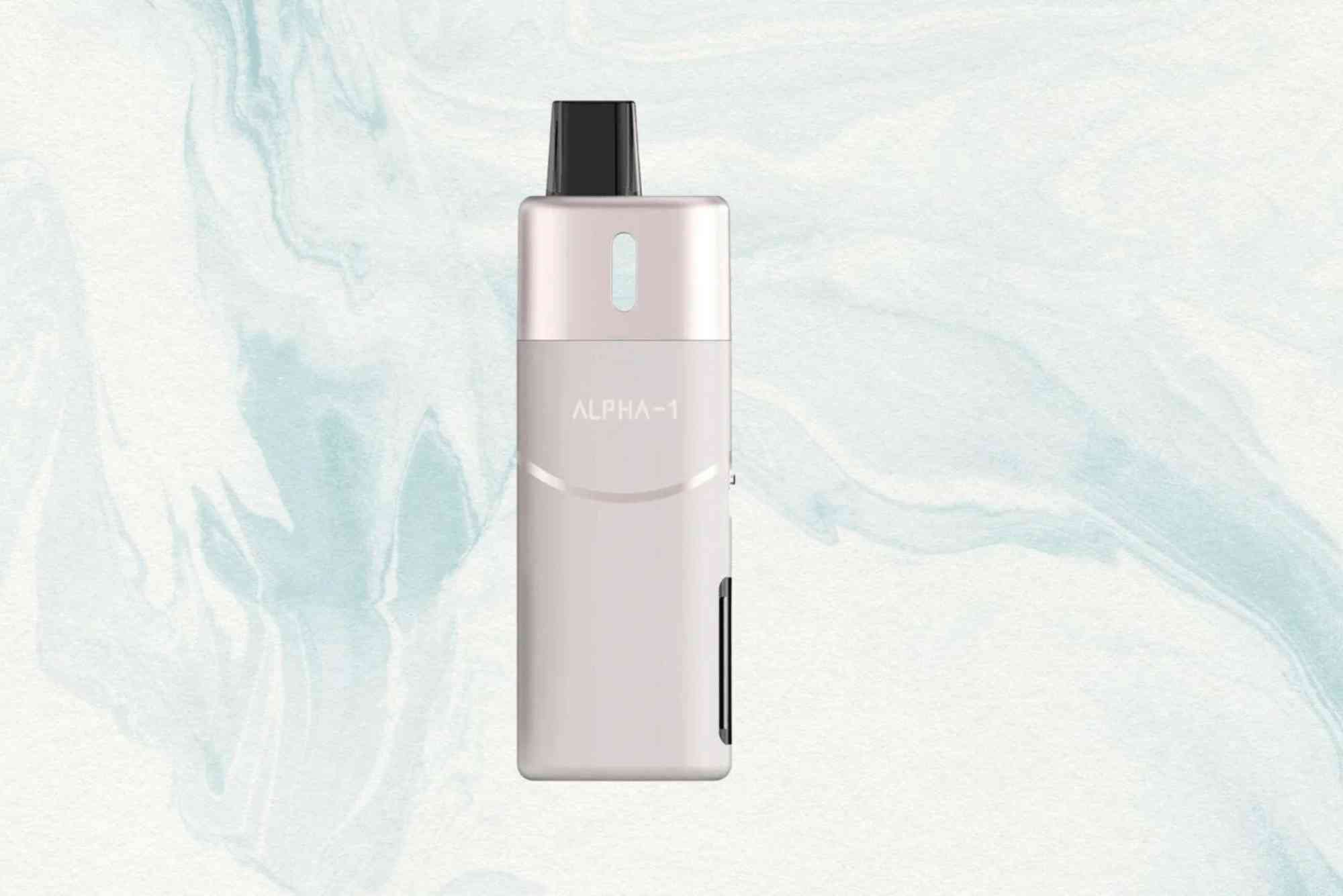
Closed vape systems, also called pod systems or disposable vape devices, use prefilled cartridges or pods. These pods contain a fixed amount of e-liquid and are replaced once empty. Closed systems are designed for convenience and simplicity.
How Closed Vape Systems Work
Closed systems consist of a battery and replaceable pods that come prefilled with e-liquid. Once the pod is empty, you discard it and insert a new one. This “plug and play” style requires minimal effort, making it beginner-friendly.
Advantages of Closed Vape Systems
The biggest advantage of closed systems is ease of use. There’s no refilling or coil replacement involved. Users simply swap out the pod when it runs out, which is perfect for those new to vaping or who want a hassle-free experience.
Closed systems are also more compact and discreet. Their smaller size makes them easy to carry and use discreetly in public. Additionally, closed systems generally produce less vapor, appealing to users who want a milder experience.
Disadvantages of Closed Vape Systems
Closed systems limit your choice of flavors and nicotine strengths since you are dependent on the manufacturer’s pod selection. This can become costly, as prefilled pods often cost more per milliliter than buying bulk e-liquid.
Because the pods are disposable, there is more waste generated, which is less environmentally friendly. Also, closed systems don’t offer the same level of customization, so advanced users might find them restrictive.
Open vs Closed Vape Systems: Key Differences
Comparing open vs closed vape systems highlights important distinctions in usability, cost, and customization.
Usability
Closed systems win for simplicity. Beginners and casual vapers appreciate the no-fuss experience. Open systems require more knowledge about device maintenance and e-liquid handling.
Customization
Open systems offer far more customization, including coil resistance, wattage settings, and airflow control. Closed systems come mostly pre-configured with little to no user adjustment.
Cost
While closed systems are convenient, their pods tend to be pricier in the long run. Open systems have a higher initial cost but are cheaper over time due to bulk e-liquid purchases.
Vapor Production and Flavor
Open systems often produce denser vapor and richer flavor due to better airflow and coil options. Closed systems produce a lighter vapor, which some users prefer for discreet vaping.
Which Vape System Is Right for You?
Choosing between open vs closed vape systems depends on your lifestyle, experience, and preferences. If you are a beginner or want a portable, easy-to-use device, a closed system is a great starting point. It requires little maintenance and is very user-friendly.
On the other hand, if you enjoy experimenting with different flavors, cloud production, and device customization, an open system will better suit your needs. It offers more control and a wider vaping experience but demands more effort and knowledge.
Tips for Beginners Using Open Vape Systems
If you decide to go with an open system, keep these tips in mind:
- Always prime new coils by soaking them in e-liquid before use to avoid burning.
- Avoid overfilling the tank to prevent leaks.
- Clean your tank regularly for the best flavor.
- Start with moderate power settings and adjust gradually.
- Use quality e-liquids to ensure device longevity.
Tips for Beginners Using Closed Vape Systems
For those opting for closed systems, consider these:
- Purchase pods from reputable brands to ensure quality and safety.
- Store pods in a cool, dry place to maintain e-liquid freshness.
- Replace pods promptly when flavor diminishes to avoid burnt taste.
- Choose nicotine strengths that match your smoking habits for a smooth transition.
- Dispose of used pods responsibly to minimize environmental impact.
Open vs Closed Vape Systems
Understanding the difference between open vs closed vape systems is key to choosing the right vape device. Open systems offer customization and cost savings but require maintenance and experience. Closed systems provide simplicity, portability, and ease of use but come with less flexibility and higher pod costs.
Whatever system you choose, make sure it fits your vaping style and comfort level. Trying out both types can help you find the perfect balance between convenience and customization.
Ready to start your vaping journey? Explore devices from trusted brands and find your ideal open or closed vape system today!
FAQ
What is the main difference between open vs closed vape?
Open vape systems are refillable and customizable, while closed systems use prefilled pods that you replace when empty.
Which vape system is better for beginners?
Closed vape systems are generally better for beginners due to their ease of use and low maintenance.
Are open vape systems more cost-effective?
Yes, open systems tend to be more cost-effective over time because you buy bulk e-liquid instead of expensive pods.
Can I customize flavors with closed vape systems?
No, closed systems limit you to the flavors provided by the pod manufacturer.
Do closed vape systems produce less vapor?
Typically, yes. Closed systems produce lighter vapor compared to open systems, which can produce bigger clouds.
Is there more waste with closed vape systems?
Yes, disposable pods generate more waste, making them less environmentally friendly compared to refillable open systems.