Introduction
Vaping has rapidly evolved over the past decade, transforming from a niche habit into a mainstream lifestyle choice. With the rise of technology, vape devices have diversified into two main categories: traditional vapes and smart vape devices. Both serve the same basic purpose — delivering nicotine or flavor through vapor — but the experience, functionality, and user control can vary significantly. If you’re considering upgrading your vaping experience, understanding the differences is crucial.
Understanding Traditional Vape Devices
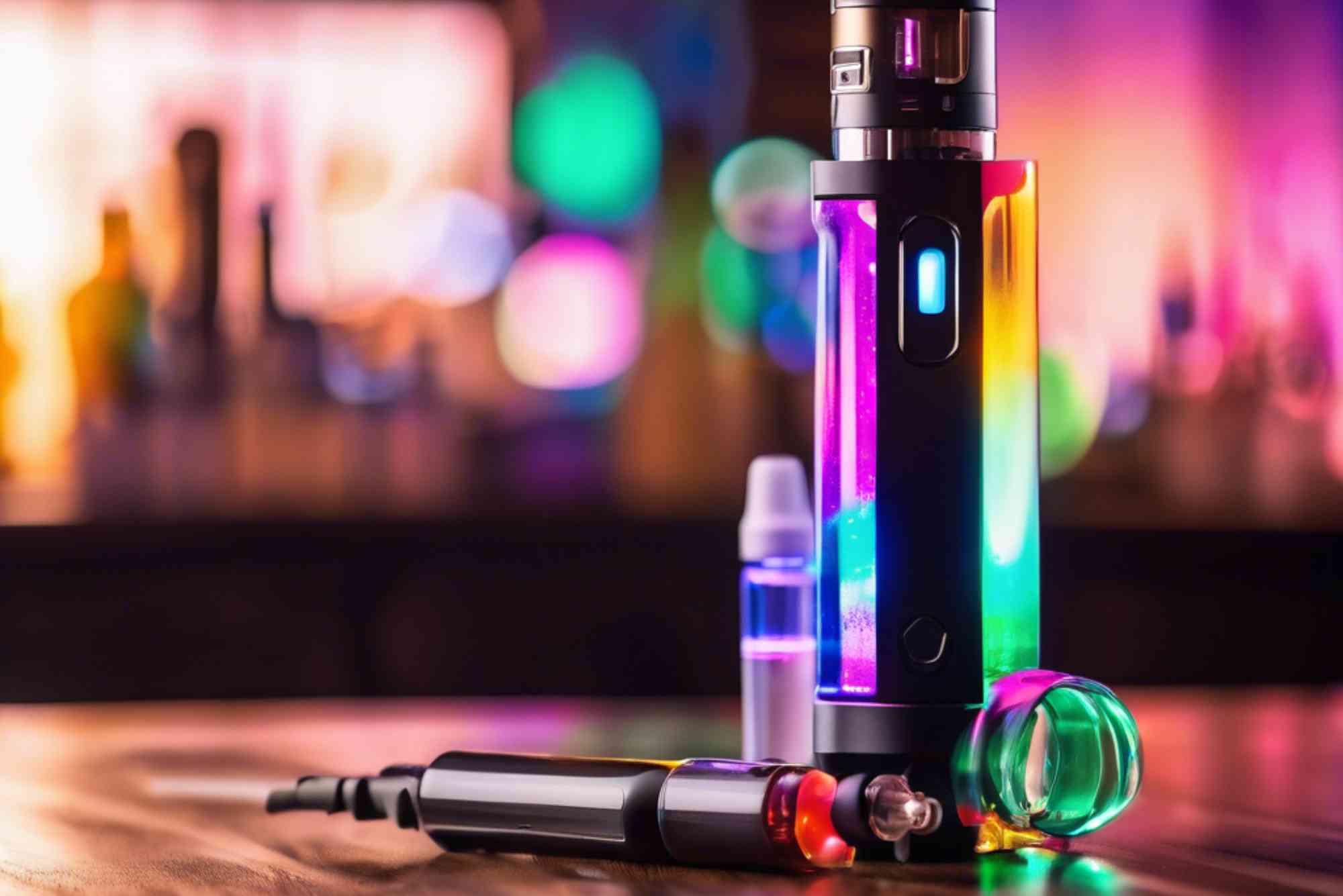
Traditional vape devices, often called e-cigarettes or mods, have been around the longest. They typically consist of a battery, a heating coil, and a tank or pod that holds e-liquid. Users manually control the device, adjusting settings such as wattage or airflow based on personal preference.
Simplicity and Accessibility
Traditional vapes are known for their straightforward design. They are ideal for beginners because they don’t require advanced knowledge or technical setup. You simply fill the tank, charge the battery, and vape. This simplicity has made them widely popular, especially among those transitioning from smoking to vaping.
Cost and Availability
Generally, traditional vape devices are more affordable than smart vapes. Replacement parts, like coils and pods, are easily available, and there is a wide selection of e-liquids compatible with most models. This affordability makes them an attractive option for casual vapers.
Limitations
The main drawback is the lack of advanced features. While some traditional devices allow wattage adjustment, they typically don’t offer data tracking, app integration, or customizable user experiences. Performance depends heavily on user skill and knowledge of the device.
Exploring Smart Vape Devices
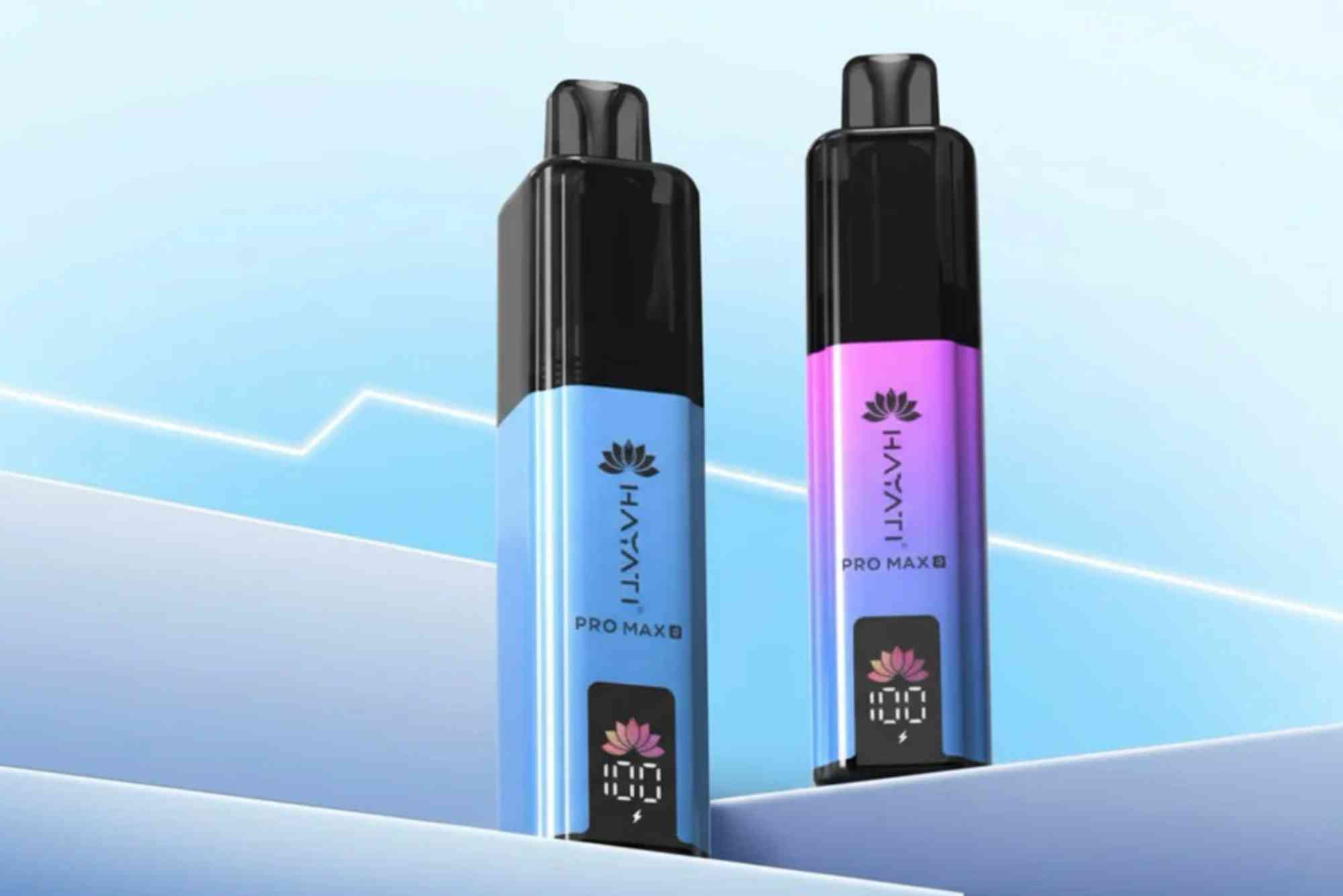
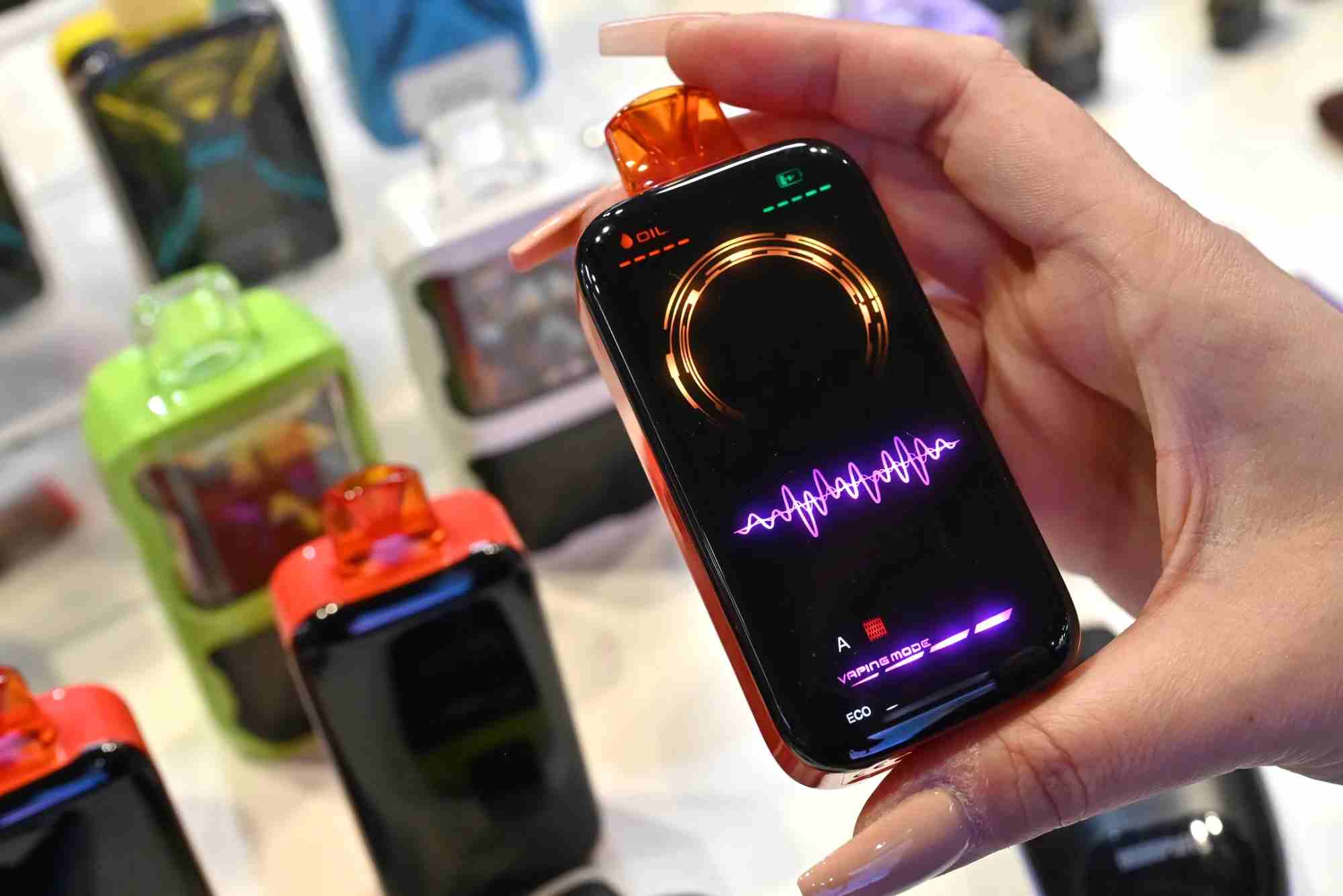
Smart vape devices represent the next step in vaping technology. They integrate digital technology to offer features beyond the basic act of vaping.
Enhanced Control and Customization
Many smart vapes connect to smartphone apps, allowing users to monitor battery life, track puff counts, and adjust temperature and wattage with precision. Some devices even include safety features that prevent overheating or overuse. This level of control ensures a consistent and personalized vaping experience.
Connectivity and Data Tracking
One standout feature is data analytics. Smart vapes can provide insights into your vaping habits, including the number of puffs per day, usage patterns, and estimated e-liquid consumption. For users looking to moderate nicotine intake or gradually reduce usage, these insights can be invaluable.
Innovation Comes at a Cost
Smart devices tend to be more expensive due to their advanced features. They may require regular software updates, and app integration can be complex for some users. Additionally, the reliance on technology means that malfunctions may be harder to fix than with traditional devices.
Comparing Traditional Vapes and New Tech Devices
When evaluating comparison of traditional vapes and new tech devices, several factors should be considered: user experience, cost, maintenance, and functionality.
User Experience
Traditional vapes offer a tactile, hands-on approach, appealing to users who enjoy manual adjustments. Smart vapes, on the other hand, provide convenience and consistency through automation and app controls.
Performance and Flavor
Both device types can deliver high-quality flavor, but smart vapes often maintain temperature more precisely. This consistency can enhance flavor and prevent burnt hits. Traditional devices may require more experimentation to find the perfect coil or wattage setting.
Maintenance and Longevity
Traditional vapes are easier to maintain, with straightforward coil replacements and no software concerns. Smart vapes require firmware updates, app management, and sometimes troubleshooting of digital components.
Cost Efficiency
Over time, traditional vapes may be cheaper to operate due to lower initial costs and fewer technology-related issues. Smart devices can be an investment but offer features that justify the price for tech-savvy users seeking convenience and control.
Who Should Use Which?
If you’re a beginner or prefer simplicity, a traditional vape is likely the better choice. They are easier to use, cost-effective, and widely supported with compatible accessories.
If you enjoy tracking habits, customizing settings, and using digital technology, a smart vape offers a modern and data-driven experience. They are perfect for vapers who value precision and want advanced features that enhance control.
Both smart and traditional vape devices have unique advantages. Your choice depends on your priorities: simplicity and affordability, or customization and technological features. Regardless of the type, understanding your vaping style and preferences is key. Explore both options, test their features, and choose the device that aligns with your lifestyle.
FAQs
Are smart vapes safer than traditional ones?
Smart vapes offer features like temperature control and puff monitoring, which can enhance safety. However, both types are generally safe when used as intended.
Do smart vapes require special e-liquids?
Most smart vapes are compatible with standard e-liquids, but some proprietary devices may require specific cartridges or pods.
Can beginners use smart vape devices?
Yes, but beginners may need time to familiarize themselves with app controls and digital settings. Traditional devices are usually easier for new users.
Which device provides better flavor?
Smart vapes maintain consistent temperature, which can enhance flavor. Traditional vapes can also deliver excellent taste but may require more manual adjustment.
Are traditional vape devices cheaper to maintain?
Yes, traditional vapes typically have lower initial costs and fewer tech-related issues, making maintenance simpler and more affordable.