Introduction
The recent Utah vape law update has sparked widespread debate. Advocates claim it is a significant step toward Health & Safety ? Harm Reduction, while critics argue it may be more hype than substance. With the rise of vaping among teens and young adults, understanding these legislative changes is essential. This article explores whether Utah’s new regulations are a real solution or simply another chapter in the ongoing vaping debate.
Understanding the Utah Vape Law Update
The Utah State Legislature recently introduced amendments targeting the sale, marketing, and usage of e-cigarettes. The laws aim to curb youth vaping while protecting public health. However, the effectiveness of these measures is still under scrutiny.
Age Restrictions and Purchase Limits
One of the primary changes includes raising the legal age to purchase vaping products to 21. Retailers are required to verify identification strictly, and penalties for non-compliance have increased. These measures are designed to reduce youth access to vaping products.
However, while age restrictions are a proven public health strategy, some argue they do not address the root causes of youth vaping, such as social influence and flavored products.
Flavor Ban and Product Regulation
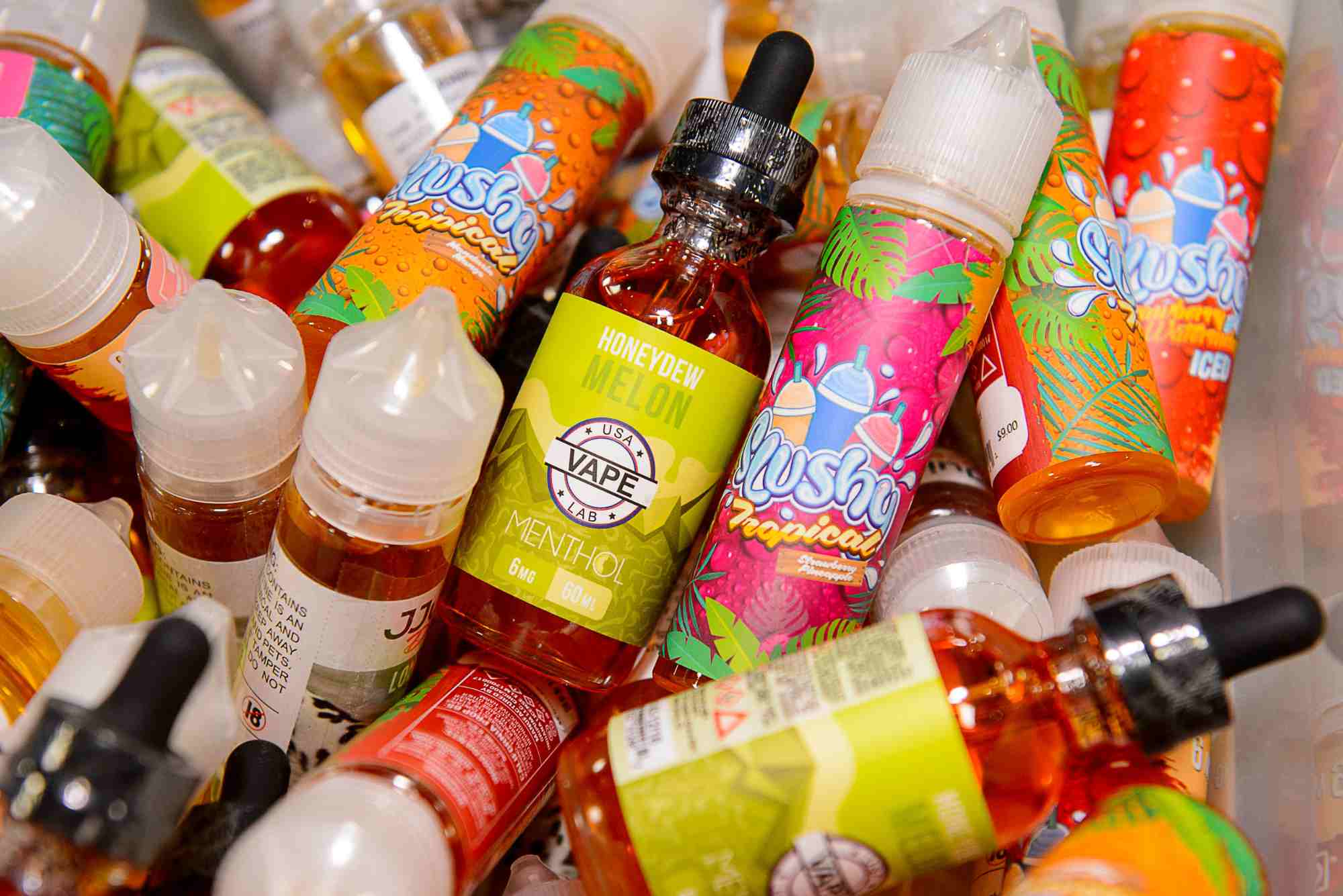
Another significant aspect of the Utah vape law update is the ban on certain flavored e-liquids that appeal to younger audiences. This regulation targets fruit, candy, and dessert flavors, aiming to make vaping less attractive to minors. Manufacturers must comply with strict labeling and product safety standards enforced by the Utah Department of Health.
Critics argue that flavor bans alone may not reduce vaping rates effectively, as users may turn to black-market alternatives or find ways around restrictions.
Marketing and Advertising Restrictions
The law also places new limits on advertising and marketing. Vaping companies can no longer target campaigns toward young people, and social media promotions must include clear health warnings. This measure aligns with broader national trends seeking to protect adolescents from nicotine addiction.
Taxation and Retail Oversight
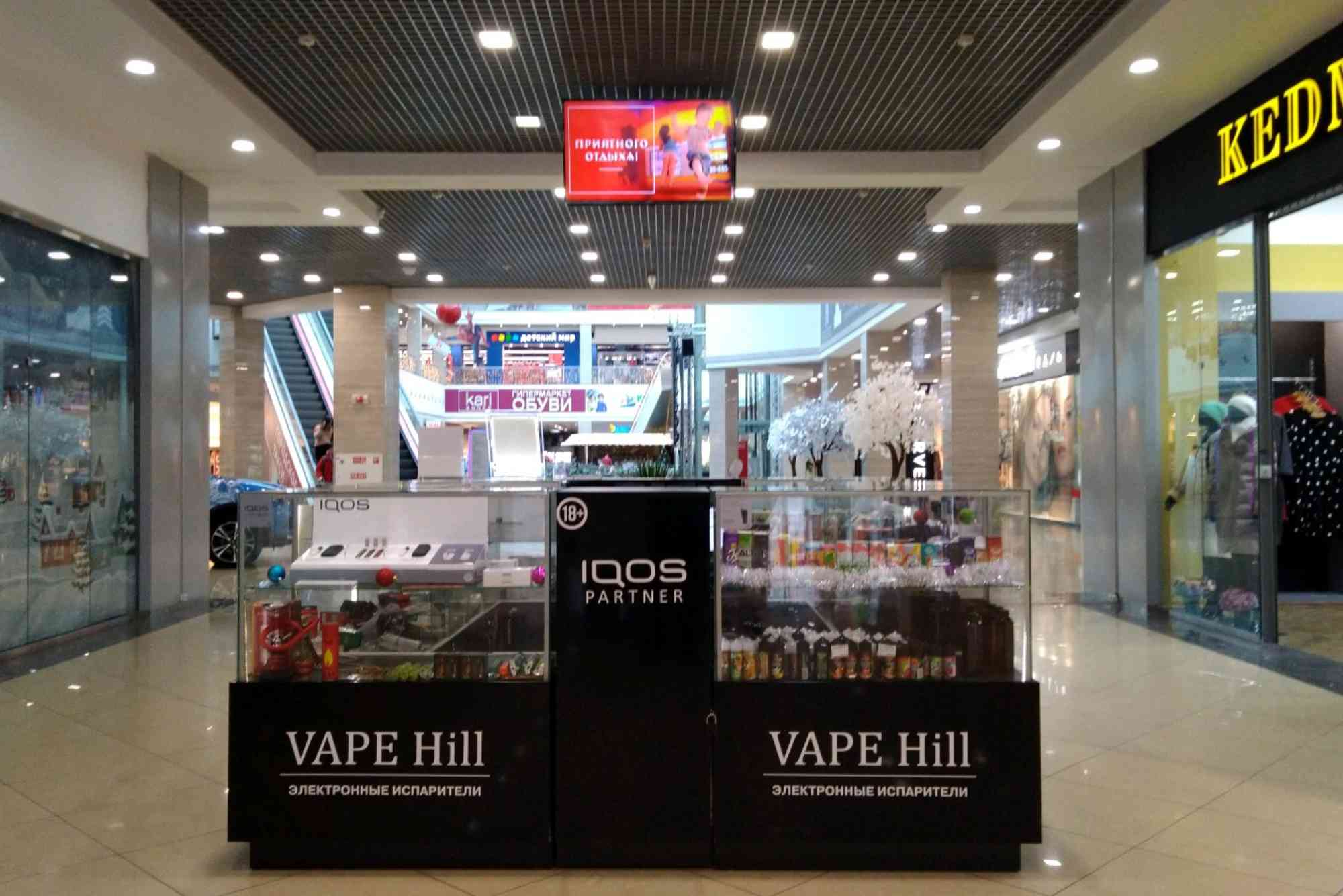
Utah has introduced higher taxes on vaping products, aiming to discourage consumption. Retailers face more rigorous inspections, and penalties for violations have increased. While taxation can influence consumer behavior, its effectiveness depends on enforcement and public awareness campaigns.
Evaluating the Law’s Impact
Public Health Benefits
Supporters argue that the Utah vape law update could reduce nicotine addiction among teens and young adults. By combining age restrictions, flavor bans, and advertising controls, lawmakers aim to create a comprehensive strategy to protect health.
Research shows that regulations that limit access and appeal can reduce experimentation and addiction. If enforced effectively, these measures could prevent a generation from developing lifelong nicotine dependence.
Potential Limitations
On the other hand, skeptics highlight several challenges. First, enforcement is critical. Without robust monitoring, retailers may continue selling to underage consumers. Second, bans on flavors may drive users to illegal markets, undermining the law’s intent.
Additionally, critics note that vaping is already widespread among adults seeking harm reduction alternatives to smoking. Restrictive policies could discourage smokers from switching to less harmful options, which raises questions about whether the law balances public health and individual choice.
Harm Reduction Debate
The broader conversation around vaping involves harm reduction. E-cigarettes are considered by some health experts as a safer alternative for smokers who cannot quit traditional cigarettes. Utah’s new regulations attempt to strike a balance by restricting youth access while allowing adult smokers to make informed choices.
However, the law’s impact on adult users remains controversial. Overly restrictive measures may inadvertently push users back toward combustible tobacco, counteracting the potential health benefits.
Comparing Utah to National Trends
Several states have implemented similar policies, with mixed results. For instance, flavor bans in other states have reduced teen vaping in some cases but increased illegal product use in others. Utah’s approach appears more comprehensive, combining age restrictions, marketing oversight, and taxation.
National public health agencies advocate for multi-pronged strategies, emphasizing enforcement, education, and parental involvement. Utah’s law aligns with these recommendations but will require careful monitoring to measure long-term outcomes.
Education and Awareness
Legislation alone cannot solve the vaping crisis. Public awareness campaigns are essential to educate young people about nicotine risks. Utah’s Health Department has partnered with schools and community organizations to provide resources and counseling.
These programs complement legal measures and help cultivate informed decision-making. Studies show that education reduces experimentation rates, particularly among adolescents.
Enforcement Challenges
Effective implementation depends on retailer compliance and active monitoring. The Utah State Legislature / Health Department — statute updates provide clear guidance, but enforcement agencies face resource limitations. Regular inspections and penalty enforcement are necessary to maintain credibility and achieve public health goals.
The Utah vape law update represents a concerted effort to address vaping concerns. By combining age restrictions, flavor bans, marketing controls, and taxation, the state seeks to reduce youth access and protect public health. However, critics caution that enforcement gaps and unintended consequences could limit effectiveness.
Ultimately, whether this update is a real solution or just vaping hype will depend on careful implementation, monitoring, and complementary education initiatives. Individuals, parents, and community leaders must engage with these changes to ensure they achieve meaningful outcomes.
For more details on Utah’s legal framework and health guidance, explore the Utah State Legislature / Health Department — statute updates.
Stay informed about local regulations and advocate for effective public health policies. Protecting youth and supporting harm reduction requires active participation.
FAQ
What age is legal for vaping in Utah?
The legal age to purchase vaping products in Utah is now 21, following recent legislative changes.
Are flavored e-liquids banned in Utah?
Certain flavors appealing to youth, such as fruit and candy, are restricted. Compliance is enforced by the Health Department.
Will these laws reduce adult vaping?
The laws focus on youth prevention. Adults may still access regulated products, balancing public health and harm reduction.
How is Utah enforcing vape law regulations?
Retailers face inspections, stricter ID verification, and penalties for violations. Effective enforcement is key to the law’s success.
Can education campaigns complement vaping laws?
Yes, awareness programs in schools and communities help reduce experimentation and support informed choices among youth.