How Vape Feels Compared to Smoking: The Real Difference
If you’re switching from cigarettes to e-cigarettes, one of the first things you’ll notice is how different it feels. This experience—known as the vape feel vs smoking comparison—isn’t just about nicotine. It’s about throat hit, flavor, satisfaction, and the physical act itself. In this guide, we’ll break down how vaping stacks up against smoking across different factors to help you understand what to expect.
What Does Vaping Feel Like Compared to Smoking?
The sensation of vaping differs from smoking in several key ways. While both methods involve inhaling vapor or smoke into your lungs, they deliver the experience very differently. Here’s a breakdown.
Throat Hit: How It Hits You
A throat hit is the feeling you get when nicotine hits the back of your throat. Traditional smokers are very familiar with this. With cigarettes, the hit is sharp and instantaneous, thanks to combustion and additives.
Vaping, on the other hand, can deliver a smoother or harsher throat hit depending on the nicotine strength and type of vape juice used. Nicotine salts offer a closer match to the cigarette-style hit, especially for beginners.
Inhalation and Lung Sensation
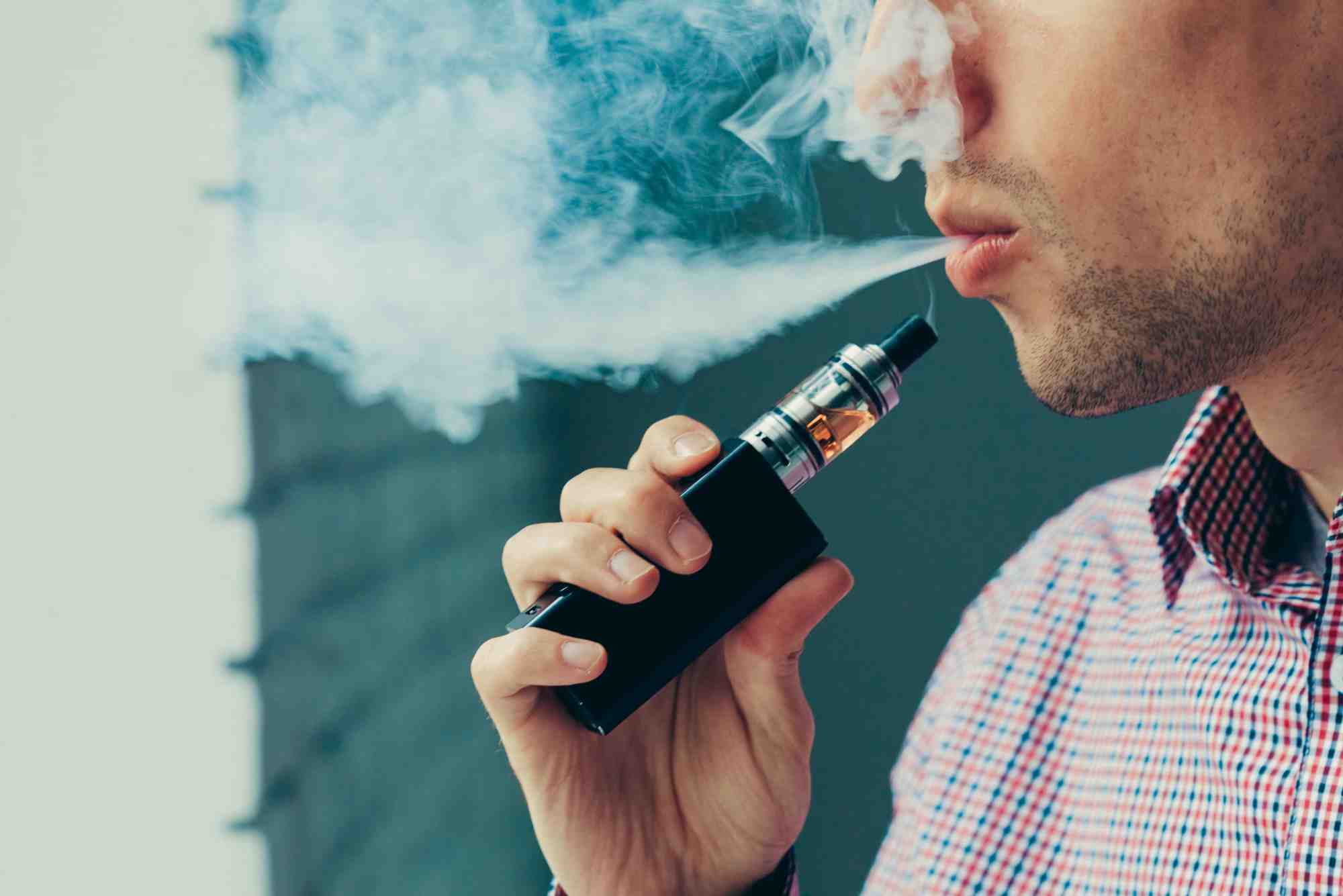
When smoking a cigarette, the inhalation is often harsh and warm. Vaping, especially with high-VG e-liquids, produces a cooler and smoother vapor. Many users describe it as more comfortable and less irritating on the lungs.
However, for heavy smokers, the difference might initially feel underwhelming. That’s why new vapers often need time to adjust to the change in sensation.
Nicotine Delivery and Satisfaction
Cigarettes deliver nicotine rapidly through combustion. Vaping takes a few more puffs to deliver the same satisfaction unless you use high-nicotine e-liquids like 20mg nicotine salts.
If you’re using a vape pen or pod system, the delivery can feel slower but more consistent. That makes vaping more controllable, reducing the chances of a nicotine rush or craving spike.
Taste and Flavor Experience
Smoking: Dry, Burnt, and Limited
Cigarette smoke has a distinctive burnt taste due to the combustion of tobacco and paper. While some smokers get used to or even enjoy the flavor, it’s typically described as dry, ashy, and chemically bitter.
Vaping: Sweet, Fruity, and Customizable
Vaping opens up a world of flavor. From fruit blends to dessert-inspired options, the experience can be surprisingly pleasant. This sensory enhancement makes vaping not only a nicotine delivery system but a flavorful habit.
Some ex-smokers say flavor is one of the main reasons they don’t go back. You’re no longer limited to tobacco or menthol—you can tailor the taste to your liking.
Physical Feel and Ritual
Smoking: Quick Burn and Hand-to-Mouth Habit
The ritual of lighting a cigarette, the smoke curling in the air, and the final drag are deeply embedded in a smoker’s routine. Smoking offers a fast, defined session, usually lasting 5–10 minutes.
Vaping: Flexible and Repetitive
With vaping, there’s no fixed “end” unless you set limits yourself. You can take one puff or many, and the device doesn’t tell you when to stop. This makes it easier to overuse if you’re not mindful.
However, the hand-to-mouth habit remains, which is often what makes vaping an easier transition for those quitting cigarettes.
Smell and Aftertaste
Cigarettes: Lingering Odor and Ash
Smokers often carry the scent of tobacco long after the cigarette is gone—on their clothes, breath, hair, and surroundings. The smell is sharp, hard to mask, and unpleasant to many non-smokers.
Vapes: Subtle or Sweet Aroma
Vapes, especially flavored ones, typically emit a pleasant or neutral smell. The vapor dissipates quickly, and the aftertaste is mild or even sweet. This makes vaping more socially acceptable in many settings.
Vape Feel vs Smoking: Health and Breath
Vaping does not involve combustion, which means you avoid tar and many of the harmful chemicals in cigarettes. While long-term research is still ongoing, Public Health England (now the UK Health Security Agency) reports vaping is at least 95% less harmful than smoking.
Breathlessness, coughing, and heavy chest feeling often reduce or disappear after switching from cigarettes to vaping. Many new vapers report improved lung capacity and less morning phlegm within weeks.
Ease of Use and Learning Curve
Cigarettes: Simple and Universal
You light it, you smoke it, you’re done. There’s no setup, no buttons, and no maintenance.
Vaping: Learning Curve Involved
Vaping involves more parts—e-liquid, coils, battery charging, and device maintenance. For some beginners, this can be intimidating. However, modern pod systems have made vaping much more user-friendly.
Cost Over Time
While a pack of cigarettes offers an instant fix, long-term smokers spend significantly more than vapers. After the initial investment in a starter kit, vaping costs are typically lower. Especially with refillable systems, you can expect to save hundreds annually.
Cravings and Satisfaction Over Time
Many smokers wonder: Does vaping satisfy the same way?
The answer depends on your setup, nicotine strength, and how much you used to smoke.
Once you find the right combination, vaping can be just as satisfying. Over time, many users reduce their nicotine levels without feeling deprived, something harder to do with cigarettes.
Side-by-Side Summary
| Feature | Smoking | Vaping |
|---|---|---|
| Throat Hit | Sharp, harsh | Customizable, smoother |
| Flavor | Burnt, limited | Variety, often sweet |
| Nicotine Delivery | Fast, intense | Adjustable, steadier |
| Smell | Lingering, unpleasant | Minimal, pleasant |
| Physical Feel | Hot, ashy smoke | Cool, smooth vapor |
| Breath Impact | Heavy chest, coughing | Lighter breathing, less phlegm |
| Long-Term Cost | Expensive | Cost-effective |
| Ease of Use | Simple | Learning curve |
FAQs About Vape Feel vs Smoking
Is vaping supposed to feel like smoking?
Not exactly. While vaping mimics the hand-to-mouth habit and throat hit, the sensation is generally smoother and cooler. You won’t feel the same harsh burn, but many users report it’s a satisfying alternative once they adjust.
Why does vaping feel weaker than smoking?
Vaping may feel less intense due to lower nicotine strength or a different absorption method. Try using nicotine salt e-liquids with a higher nicotine percentage for a closer match to smoking.
How long does it take to get used to vaping?
Most new vapers adjust within a week or two. If you’re struggling, tweaking your device settings or nicotine strength often helps.
Can vaping satisfy cravings like cigarettes?
Yes, but the key is to find the right nicotine strength and device. Many ex-smokers start with high nicotine and taper down gradually.
Does vape smoke feel different in the lungs?
Yes. Vapor is typically cooler and less dense than cigarette smoke. It can feel easier on the lungs, especially for those with respiratory sensitivity.
Which Feels Better — Vape or Smoke?
The vape feel vs smoking debate depends largely on your personal preferences and habits. Vaping offers smoother inhalation, customizable flavors, and fewer lingering side effects. While the initial feel may not exactly replicate smoking, many ex-smokers find vaping more enjoyable and sustainable over time.
Ready to experience the difference for yourself?
Try a quality vape starter kit today and take the first step toward a cleaner, more personalized nicotine experience.