
Vape Laws Japan – What Vapers Should Know
Japan has long been known for its strict regulations and attention to public health. This is especially true when it comes to smoking and vaping. If you’re a vaper living in Japan or planning to visit, it’s crucial to understand the local vape laws. The rules might surprise you, especially if you’re coming from countries with more relaxed policies. In this article, we’ll break down everything you need to know about vape laws in Japan, how they affect you, and what you can do to stay compliant.
Understanding Vape Laws in Japan
Japan’s approach to vaping is unique. Unlike many countries where vaping products are regulated similarly to tobacco, Japan treats them under a combination of pharmaceutical and tobacco laws. The most important point to know is that nicotine-containing e-liquids are classified as pharmaceutical products in Japan. This classification means they cannot be sold over-the-counter unless approved by the Ministry of Health, Labour and Welfare.
However, nicotine-free vape juices are legal and widely available. Vapers can find a variety of flavors and devices at convenience stores and vape shops across the country. This makes Japan a rather paradoxical place for vapers: vaping is allowed, but not with nicotine unless you import it yourself.
Can You Legally Vape in Japan?
The act of vaping itself is not illegal in Japan. You can vape in public, but there are designated smoking areas where it’s encouraged to do so. These areas are similar to smoking zones, found near train stations, airports, and public buildings. Vaping outside of these areas is not heavily policed, but it is considered disrespectful and could lead to trouble.
If you’re using a vape device with nicotine-free liquid, you are perfectly within legal boundaries. For those wanting to vape with nicotine, it becomes tricky. Buying nicotine-containing e-liquids within Japan is prohibited. However, Japanese law allows personal import of nicotine e-liquids up to 120ml per month for personal use. This is an important loophole that many vapers take advantage of.
Importing Nicotine E-liquids: What You Need to Know
For vapers who cannot do without nicotine, importing e-liquids becomes the only legal option. Under Japan’s Pharmaceutical and Medical Device Act (PMDA), individuals can import up to 120ml of nicotine e-liquid per month without needing special approval.
It’s essential to note that this limit is strict. Exceeding the allowed quantity can result in the confiscation of your products by customs, and in serious cases, legal penalties. Therefore, it’s recommended to keep documentation of your order and ensure it falls within the legal limits. Using reputable vendors who are familiar with Japan’s regulations is also advisable.
Vaping in Public Spaces: Cultural Norms and Legal Restrictions
Even though vaping is less harmful than smoking, Japanese society generally lumps both activities together. As a result, vapers are expected to follow the same etiquette as smokers. Vaping while walking in public areas is frowned upon, and some local ordinances explicitly prohibit it.
Major cities like Tokyo and Osaka have strict regulations on smoking in public streets. Vaping is often included in these rules, so always look for designated smoking areas. Vaping on public transport, including bullet trains and buses, is strictly prohibited.
Hotels and accommodations usually have designated smoking rooms. If you’re unsure whether vaping is allowed in your room, it’s best to ask the management. The same goes for restaurants, bars, and clubs. Some establishments have vaping-friendly policies, but always check in advance.
E-cigarettes vs Heat-Not-Burn Products (IQOS)
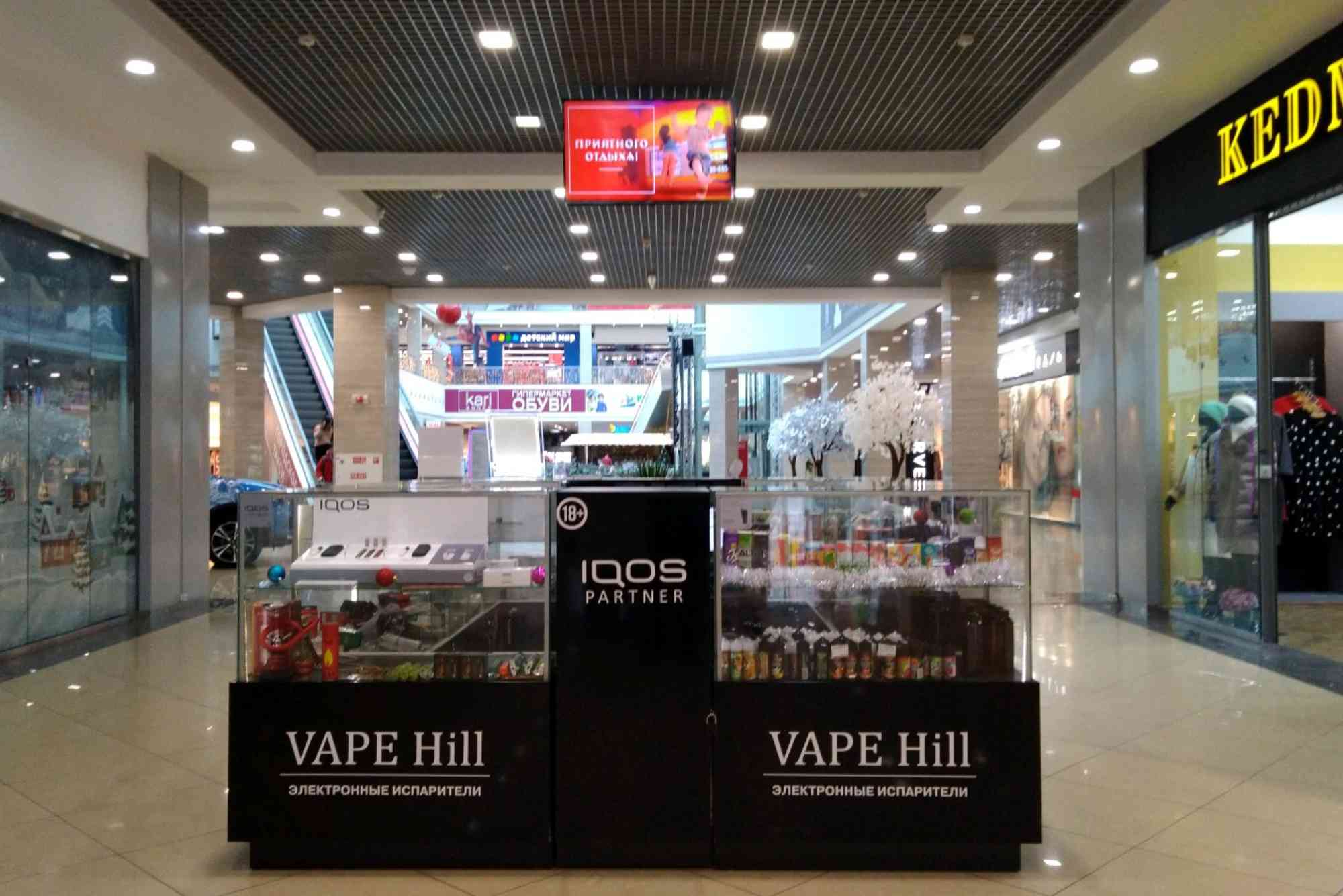
One reason why vape laws in Japan might seem confusing is the presence of Heat-Not-Burn (HNB) products like IQOS. Unlike traditional e-cigarettes that vaporize liquid, IQOS heats real tobacco leaves to produce a nicotine-rich vapor. These products are classified as tobacco, not medical products, making them legal for sale.
HNB products have gained immense popularity in Japan, partly due to aggressive marketing and a favorable legal status. Many people mistakenly think HNB devices are the same as vapes, but they are regulated differently. If you see devices being sold in Japan that appear to be “vape-like,” they are probably HNB products, not traditional e-cigarettes.
How Vape Laws in Japan Affect Tourists
If you’re a tourist visiting Japan, you can bring your vape device and nicotine-free e-liquids without any issues. Vape Laws Japan If you need nicotine e-liquid, make sure to bring your personal supply, not exceeding the legal limit of 120ml.
Japanese customs are generally tolerant towards travelers carrying small amounts of vaping products for personal use. However, trying to bring in large quantities for resale or distributing nicotine-containing liquids without approval is illegal and can result in severe penalties.
It’s also a good idea to carry your vaping products in your checked luggage when flying into Japan. While carrying vapes in hand luggage is generally allowed, some airlines may have their own policies.
Enforcement of Vape Laws in Japan
Japan’s enforcement of vape laws is strict when it comes to sales and distribution. However, personal use is less scrutinized as long as you adhere to import limits and use vaping devices responsibly in public. There have been cases where customs officials confiscated nicotine e-liquids exceeding the limit, but arrests for personal vaping are extremely rare.
The Japanese government focuses more on controlling the sale and distribution of nicotine products rather than punishing individuals. That said, always follow the rules to avoid any complications during your stay.
Future Outlook: Will Vape Laws in Japan Change?
Japan’s stance on vaping is conservative, and there are no signs of major changes in the near future. The government prioritizes public health and takes a cautious approach to new nicotine products. With the success of HNB devices like IQOS, traditional vaping hasn’t seen the same acceptance.
However, growing global evidence supporting vaping as a harm-reduction tool may influence future policy. Advocacy from health experts and the vaping community could eventually lead to more relaxed regulations, but for now, the status quo remains.
FAQs
Q: Can I buy nicotine e-liquids in Japan?
A: No, nicotine-containing e-liquids cannot be sold in Japan without pharmaceutical approval. You must import them for personal use, up to 120ml per month.
Q: Is vaping allowed in public places in Japan?
A: Vaping is allowed but should be done in designated smoking areas. Vaping while walking in public spaces is discouraged.
Q: Can tourists bring vapes into Japan?
A: Yes, tourists can bring vape devices and e-liquids. However, nicotine e-liquid must not exceed 120ml for personal use.
Q: Are HNB products like IQOS considered vapes?
A: No, IQOS and similar products are classified as tobacco products, not e-cigarettes. They are legal and sold openly in Japan.
Q: What happens if I import more than 120ml of nicotine e-liquid?
A: Customs may confiscate the excess, and you could face legal issues. Always stay within the legal limit.
Japan’s vape laws might seem complicated, but with the right information, vapers can navigate them smoothly. The key points to remember are that nicotine-free e-liquids are legal and easily available, while nicotine-containing e-liquids must be imported personally in limited quantities. Public vaping etiquette is strict, and respecting local norms will ensure a hassle-free experience.