Can Vaping Curb Smoking Cravings?
For millions of smokers trying to quit, the journey away from cigarettes is filled with challenges—especially dealing with powerful cravings. One question often asked is: Can vaping curb smoking cravings? This blog explores the effectiveness of vaping for smoking cravings, how it compares to traditional cessation methods, and what science, users, and experts have to say.
Understanding Smoking Cravings
Nicotine addiction runs deeper than just habit. It’s a physical and psychological dependency. When someone quits smoking, their body craves nicotine, which leads to withdrawal symptoms such as irritability, anxiety, restlessness, and a strong urge to smoke.
Smoking also involves routine—holding a cigarette, inhaling, exhaling, and the familiar throat hit. Cravings are often triggered not just by the lack of nicotine but also by environmental cues, stress, or social situations.
How Vaping Works
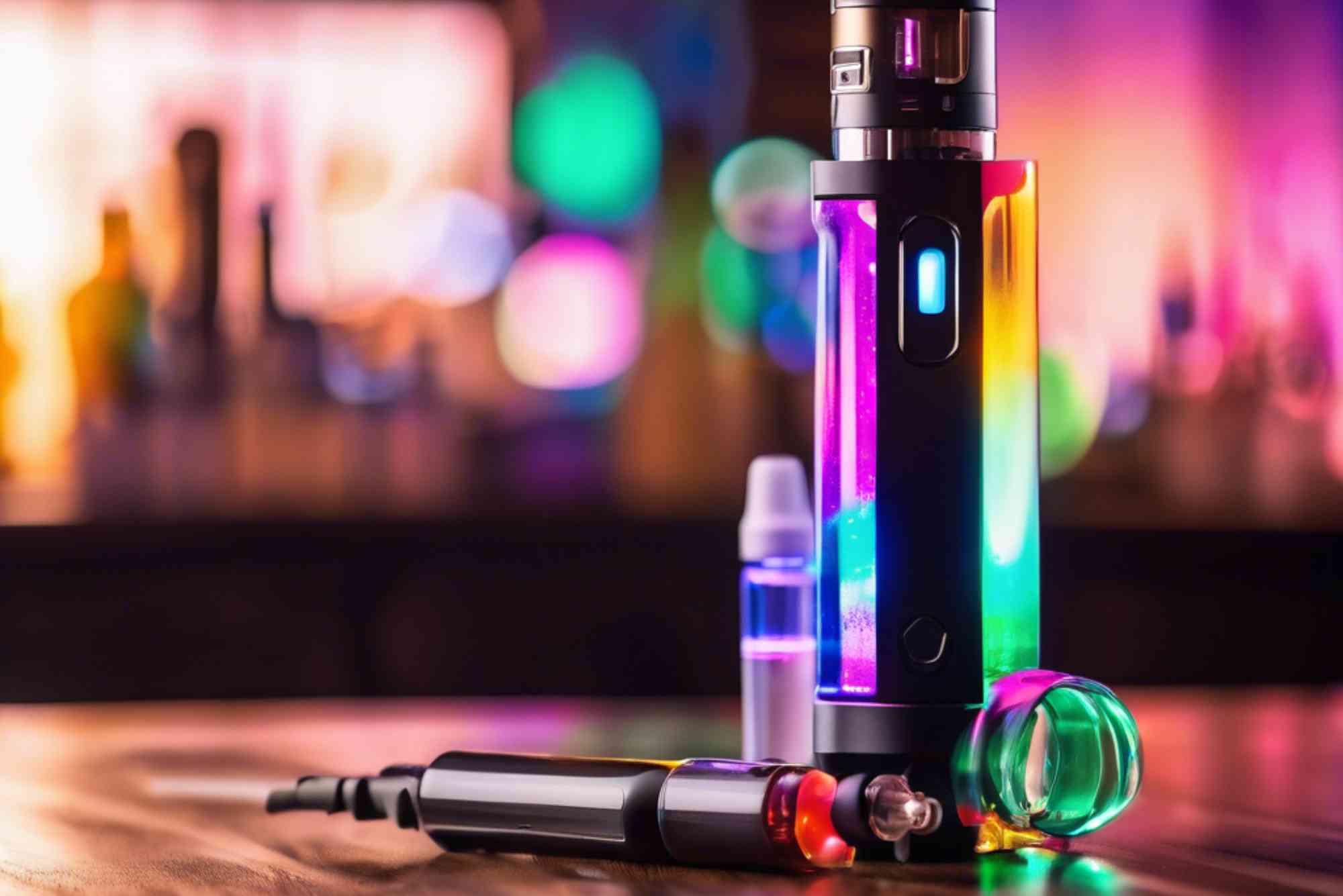
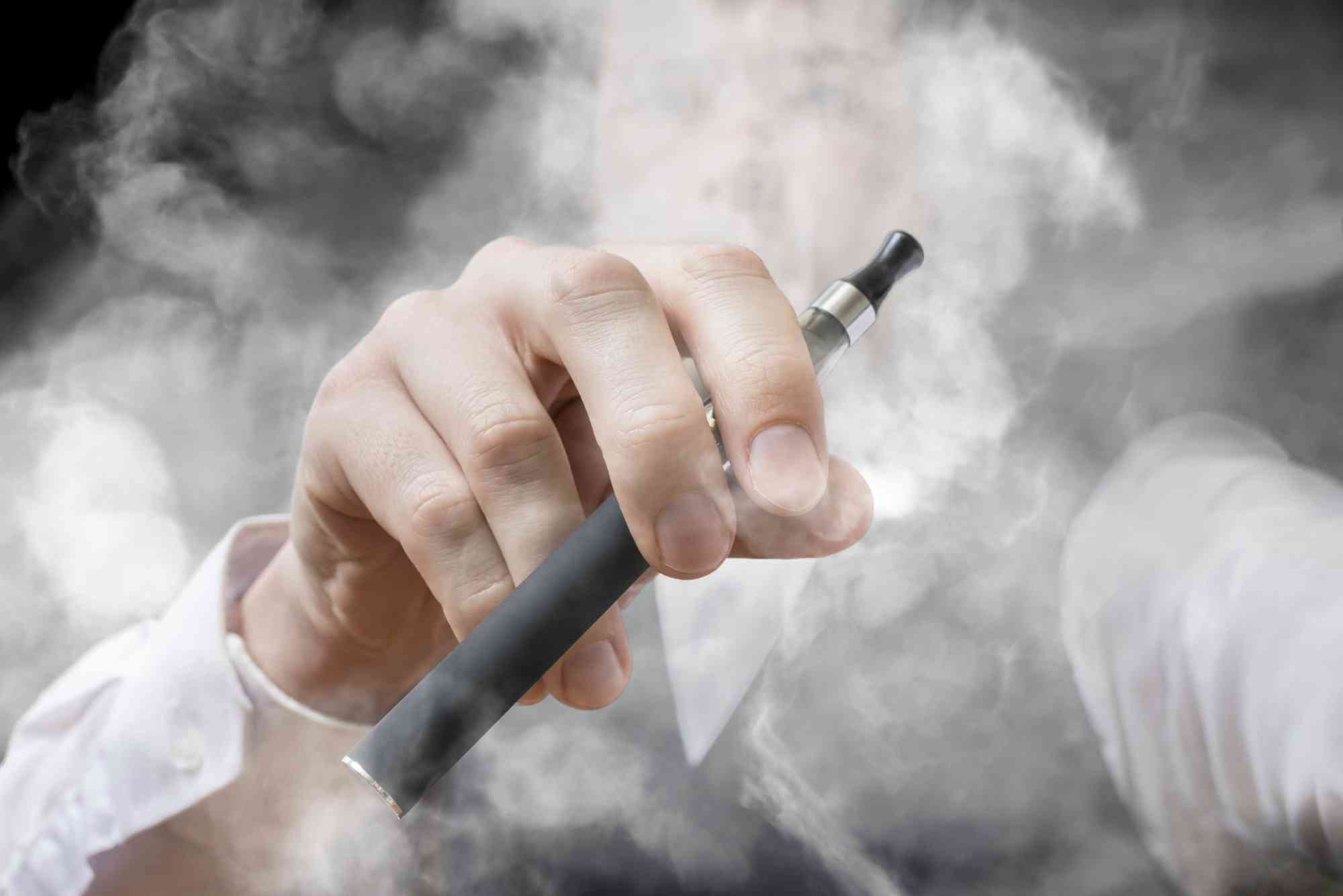
Vaping involves inhaling vapor from an e-cigarette or vape device. These devices use a battery to heat a liquid (called e-liquid or vape juice), which usually contains nicotine, flavorings, and a base of propylene glycol and/or vegetable glycerin.
Unlike cigarettes, vaping doesn’t involve combustion, so users avoid inhaling tar and thousands of harmful chemicals found in cigarette smoke.
Vaping for Smoking Cravings: Does It Work?
Yes, for many people, vaping for smoking cravings can be effective. Here’s how and why.
Nicotine Replacement
Most vape juices come in various nicotine strengths, allowing users to choose a level that suits their needs. Someone who smokes 20 cigarettes a day may start with a higher concentration and gradually reduce it.
This controlled delivery of nicotine helps reduce withdrawal symptoms without the toxins in cigarette smoke.
Mimics the Act of Smoking
One reason vaping feels satisfying is because it mimics the physical rituals of smoking—hand-to-mouth action, throat hit, and exhaled vapor. These factors help satisfy the behavioral side of addiction.
Unlike nicotine patches or gum, vaping replaces both the substance (nicotine) and the ritual, which makes it easier for some users to transition away from smoking.
Gradual Tapering
Many ex-smokers use vaping to gradually reduce nicotine intake. They might start with 18 mg/mL vape juice and step down to 12, 6, or even zero nicotine over time. This slow taper helps minimize cravings and withdrawal symptoms.
Scientific Studies on Vaping and Cravings
Research supports the use of vaping as a smoking cessation aid, although it’s not without controversy.
A 2019 study published in the New England Journal of Medicine found that e-cigarettes were more effective than nicotine-replacement therapies like patches or gum. About 18% of participants in the vaping group quit smoking after one year, compared to just 9.9% in the NRT group.
Another study in Addiction (2021) showed that people who switched to e-cigarettes experienced fewer daily cravings and were more likely to stay off traditional cigarettes after six months.
While results vary, the evidence points to vaping being a helpful tool—especially when paired with behavioral support or counseling.
Psychological Benefits of Vaping Over Smoking
Beyond nicotine, there’s a mental comfort in vaping that smokers appreciate. Here’s why vaping appeals psychologically:
Reduced Stress Triggers
For many, stress is a major trigger for lighting a cigarette. Vaping offers an alternative without the guilt or health consequences associated with smoking.
Social Acceptance
Vaping is often more socially acceptable than smoking, especially in public places where smoking is banned. This makes it easier for people to use a nicotine alternative without feeling excluded.
Control Over Cravings
Vaping allows users to take a puff or two whenever they feel a craving, rather than committing to an entire cigarette. This kind of control helps some users manage their cravings more effectively.
Risks and Considerations
While vaping for smoking cravings has benefits, it’s not risk-free. Here are a few things to consider:
Not Completely Harmless
Though safer than smoking, vaping still introduces chemicals into your lungs. Long-term effects are still under study.
Potential for Continued Nicotine Dependence
Some users remain dependent on nicotine even if they’ve quit cigarettes. While it’s better than smoking, the ultimate goal should be to reduce or eliminate nicotine use.
Youth and Non-Smokers
Vaping is not recommended for people who have never smoked. Nicotine can affect brain development in adolescents and is not safe for pregnant individuals.
Real User Experiences: What People Say
Thousands of ex-smokers report that vaping helped them break free from cigarettes. Many note that they finally managed to quit after trying and failing with patches, gum, or prescription medications.
Some highlight the importance of choosing the right device or flavor. Others stress the need for support from online forums or local cessation programs.
While every journey is different, a common thread is that vaping provided immediate craving relief and a clear path away from tobacco.
Best Practices for Using Vaping to Control Cravings
If you’re considering using vaping for smoking cravings, here are a few guidelines to follow:
Choose the Right Nicotine Strength
Start with a nicotine level close to your current cigarette intake. Too low, and you might still crave cigarettes; too high, and you could feel dizzy or nauseous.
Select a Device That Fits Your Lifestyle
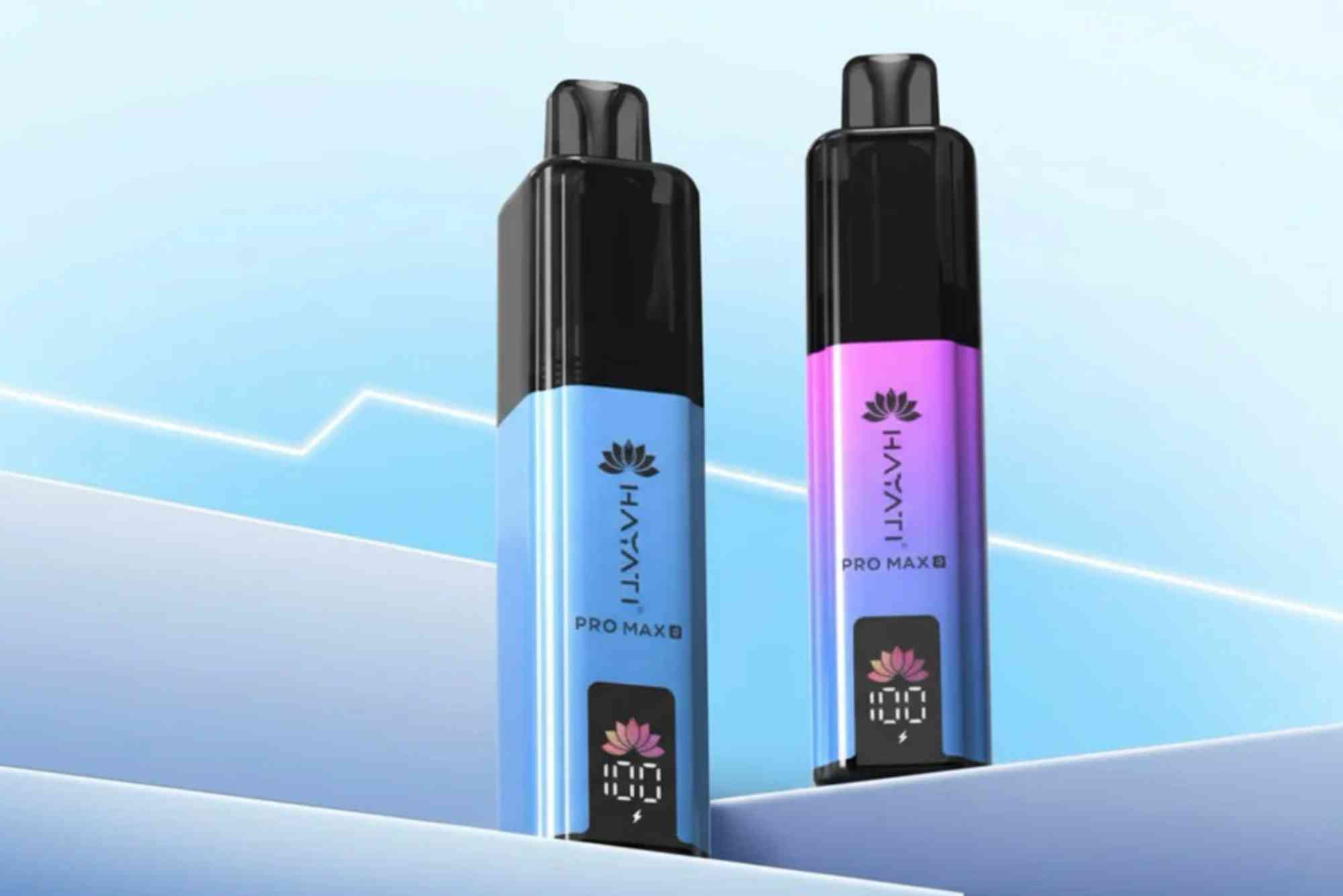
Pod systems are simple and beginner-friendly. Vape pens and box mods offer more control. Choose based on your comfort and preferences.
Don’t Use It Like a Cigarette
Try not to vape compulsively. Treat it as a transitional tool and aim to reduce usage over time.
Monitor Your Progress
Track how many cigarettes you avoid daily. Celebrate small wins and set goals to reduce nicotine intake gradually.
Seek Support
Join online forums, quit-smoking communities, or consult a healthcare provider. Guidance can make the process smoother and more successful.
FAQs: Vaping and Smoking Cravings
Does vaping stop nicotine cravings immediately?
For many users, yes. Vaping delivers nicotine quickly, often within seconds, which helps relieve cravings faster than patches or gum.
Is vaping better than smoking for long-term health?
Current evidence suggests vaping is significantly less harmful than smoking, but not completely risk-free. It’s best viewed as a harm reduction tool.
Can vaping help me quit nicotine entirely?
Many people use vaping to taper off nicotine gradually. With the right plan, it’s possible to reduce to zero nicotine and stop vaping eventually.
What’s the best vape for quitting smoking?
Pod systems like JUUL, Vaporesso XROS, or Smok Nord are popular with beginners. The best vape is the one that feels satisfying and helps reduce cravings.
Why do I still crave cigarettes after switching to vaping?
It could be due to emotional or habitual triggers. Over time, as your body and brain adjust, these cravings usually fade.
Vaping for smoking cravings is not a miracle solution, but for many people, it’s a powerful tool that makes quitting smoking easier and more achievable. By delivering nicotine without harmful smoke and mimicking the hand-to-mouth ritual, vaping addresses both the physical and behavioral sides of addiction.
However, it’s important to use vaping wisely. The goal should be not just to quit smoking but to eventually reduce or eliminate nicotine altogether. With the right device, nicotine strength, and support system, vaping can be a stepping stone toward a smoke-free and healthier life.