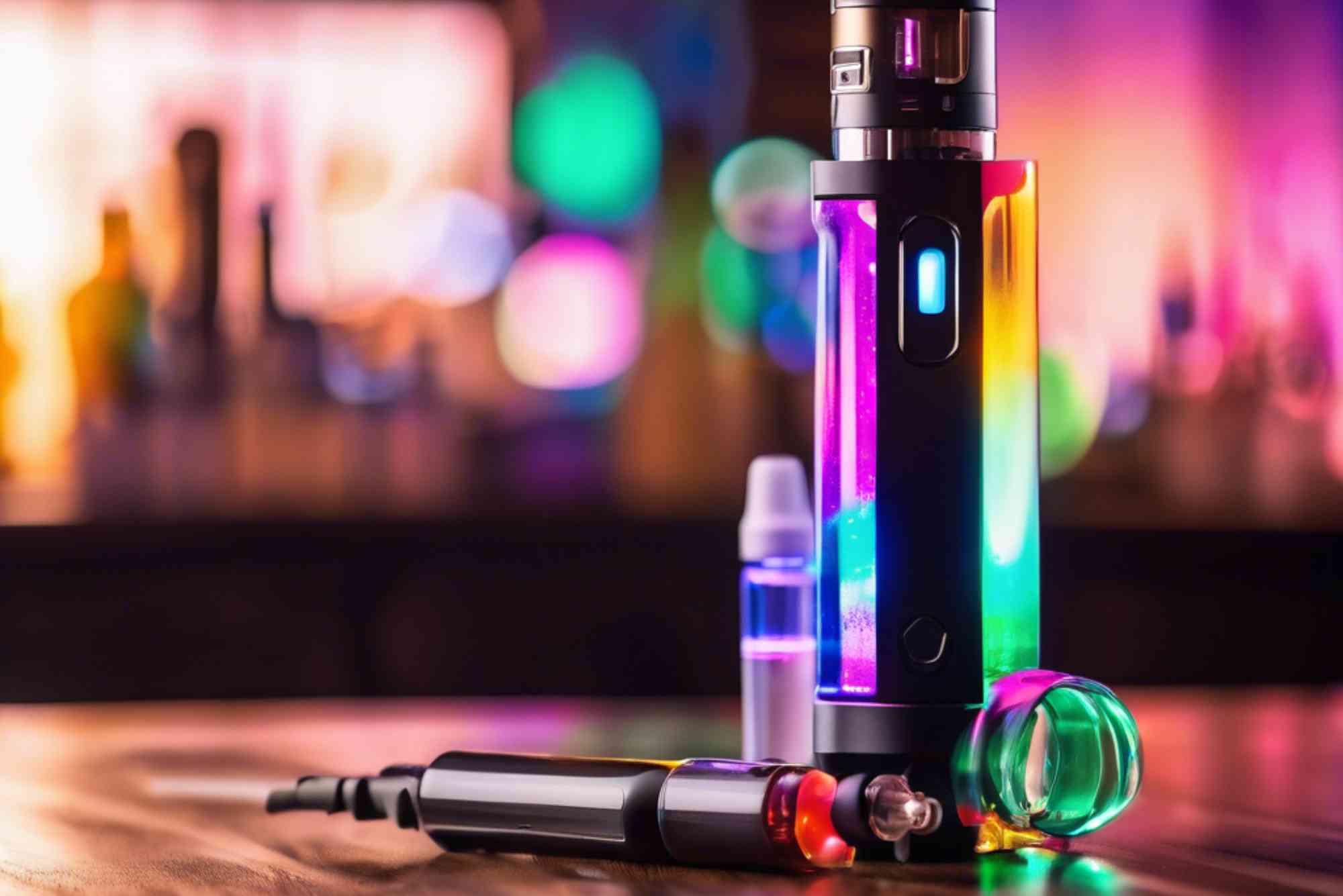

Battery Safety & Vaping in Home is Illegal: What Vapers Need to Know
Vaping has become one of the most popular alternatives to smoking, but it also comes with legal and safety concerns. One issue that surprises many people is the regulation around indoor use. In some regions, vaping in home is illegal, especially in shared housing, rented apartments, or places with strict indoor air quality rules. Alongside legal restrictions, battery safety is another critical concern for vapers. Misusing vape batteries can cause overheating, fires, or even explosions. This guide explains both aspects: the laws about vaping indoors and how to handle vape batteries safely.
Why Vaping in Home is Illegal in Some Places
The phrase “vaping in home is illegal” may sound surprising, but it reflects growing concerns about secondhand vapor, property safety, and health regulations.
Secondhand Exposure Concerns
While vape aerosol is often marketed as “harmless vapor,” studies suggest it contains nicotine, fine particles, and chemicals. Landlords, housing authorities, and even governments see indoor vaping as a risk to children, elderly residents, and people with respiratory conditions.
Housing Rules and Lease Agreements
In many apartment complexes, landlords add clauses that ban smoking and vaping indoors. Violating these agreements can lead to fines or even eviction. That’s why in some cases, vaping in home is illegal not because of a government law, but because of property rules.
State and Local Regulations
Certain regions have expanded indoor smoking bans to include vaping. This means you cannot vape in workplaces, restaurants, and even inside private residences if those homes are part of multi-unit housing with shared ventilation.
Battery Safety: An Overlooked Side of Vaping
Alongside legal restrictions, one of the biggest issues vapers face is battery safety. Vape devices rely on lithium-ion batteries, which are powerful but risky if mishandled.
Common Risks with Vape Batteries
- Overcharging can cause overheating and swelling.
- Carrying loose batteries in pockets with keys or coins may trigger short circuits.
- Using damaged or low-quality chargers increases fire risk.
How to Store Vape Batteries Safely
Always store batteries in protective cases. Never expose them to direct sunlight or extreme heat. Safe storage is critical for preventing accidental discharges.
Charging Safety Tips
Use only the manufacturer-recommended charger. Do not leave vape devices charging overnight. Unattended charging is one of the leading causes of vape-related battery accidents.
The Connection Between Indoor Vaping and Safety
Many property owners argue that banning vaping indoors reduces both fire risks and health hazards. Since lithium-ion battery incidents can occur during charging, landlords worry about fires in apartment complexes. This is another reason why in certain situations, vaping in home is illegal.
Fire Safety Concerns
Reports of vape batteries exploding have led to insurance companies tightening rules. Some property insurance policies exclude coverage if damages are linked to indoor vaping accidents.
Protecting Shared Spaces
In multi-family housing, smoke or vapor can travel through ventilation systems, affecting neighbors. Combining that with fire risks, the case for banning indoor vaping becomes stronger from a safety perspective.
What Vapers Should Do to Stay Compliant
Vapers must balance personal freedom with responsibility. Even if you live in a private home, it is worth knowing the laws and guidelines in your area.
Check Local Laws and Housing Rules
Always review your lease agreement or homeowners’ association policies. Even if your state does not outlaw vaping indoors, your landlord or building manager may restrict it.
Use Outdoor or Designated Areas
To avoid legal trouble, it is better to vape outdoors or in designated smoking areas. This prevents conflicts with neighbors and reduces health risks for non-vapers.
Maintain Safe Vaping Habits
Apart from legal compliance, practicing safe battery use ensures you avoid preventable accidents. Proper handling of vape devices protects both you and your home.
FAQs
Is vaping at home illegal everywhere?
No. Vaping in home is illegal only in certain regions, especially in rental apartments or shared housing where rules restrict indoor smoking or vaping.
Can landlords ban vaping indoors?
Yes. Landlords can include a “no smoking or vaping” clause in rental agreements. Breaking this rule can result in penalties.
Why are vape batteries dangerous?
Vape devices use lithium-ion batteries, which can overheat, catch fire, or explode if not handled properly.
How can I prevent vape battery accidents?
Store batteries in cases, avoid overcharging, and use original chargers. Never keep loose batteries with coins or keys.
Is secondhand vapor harmful?
Research suggests secondhand vapor may contain nicotine, heavy metals, and chemicals. This is one reason many laws treat it like smoking.
While vaping remains a popular alternative to smoking, it carries responsibilities. In many cases, vaping in home is illegal due to health, safety, and property concerns. Additionally, mishandling vape batteries can lead to serious accidents. By staying aware of local laws, respecting property rules, and following proper battery safety guidelines, vapers can enjoy their devices without legal or safety risks.