Vaping Laws in Scotland: A Real Solution or Just Vaping Hype
Vaping has become a hot topic in public health debates worldwide. In Scotland, vaping laws have sparked discussions about their effectiveness in reducing smoking rates and protecting public health. While some consider vaping a breakthrough in harm reduction, others question whether these laws are simply promoting a new form of nicotine addiction. Understanding the current regulatory framework, public health goals, and ongoing controversies is essential for both vapers and policymakers.
Introduction to Vaping in Scotland
Scotland has one of the strictest approaches to tobacco control in the UK. Over the past decade, public health campaigns and legislation have significantly reduced smoking rates. Vaping has emerged as an alternative, often marketed as a safer way to consume nicotine without the harmful tar and chemicals found in cigarettes. However, the Scottish approach to vaping balances encouraging harm reduction with preventing youth uptake. This dual approach raises an important question: do vaping laws offer a real solution, or are they just a marketing hype for nicotine products?
Scottish Vaping Laws: An Overview
Regulatory Framework
Vaping in Scotland is governed under several legislative measures. The most prominent framework includes the Scottish Government tobacco nicotine & vaping law, which aligns with the UK Tobacco and Related Products Regulations. These laws regulate the sale, advertising, and usage of e-cigarettes. The primary goal is to prevent minors from accessing vaping products while allowing adult smokers a potentially safer alternative.
Age Restrictions and Sales
Scotland enforces strict age limits for purchasing vaping products. Retailers cannot sell e-cigarettes or vaping liquids to anyone under 18. Additionally, online sales must include age verification systems to prevent underage access. These measures are intended to protect youth from early nicotine exposure, which can lead to addiction and future health risks.
Advertising and Promotion Rules
Vaping advertising in Scotland is heavily regulated. The promotion of e-cigarettes is limited across media channels, with a particular focus on preventing youth-targeted marketing. Point-of-sale displays, social media campaigns, and sponsorships are subject to restrictions. These rules aim to ensure vaping remains a harm reduction tool for adult smokers rather than a gateway for teenagers.
Public Use and Indoor Restrictions
Vaping laws also address where e-cigarettes can be used. Scotland restricts vaping in certain public places, including healthcare settings, schools, and public transport. While not as strict as smoking bans, these measures are designed to reduce passive exposure and normalize non-smoking behaviors in public spaces.
Health Perspectives on Vaping
Vaping as a Harm Reduction Tool
Many public health experts view vaping as a potentially effective harm reduction tool. Unlike traditional cigarettes, e-cigarettes do not involve combustion, which significantly reduces the intake of harmful chemicals. Studies suggest that switching from smoking to vaping can lower the risk of lung disease, cardiovascular problems, and certain cancers. In Scotland, health organizations encourage adult smokers to consider vaping as a step toward quitting smoking entirely.
Concerns About Nicotine Addiction
Despite its potential benefits, vaping is not without risks. Nicotine is highly addictive, and prolonged use can maintain dependency even if the user avoids cigarette smoke. The Scottish Government acknowledges these concerns, emphasizing that vaping should be a temporary cessation aid rather than a long-term habit. Public health campaigns continue to educate citizens about balancing benefits with potential risks.
Youth Uptake and Behavioral Risks
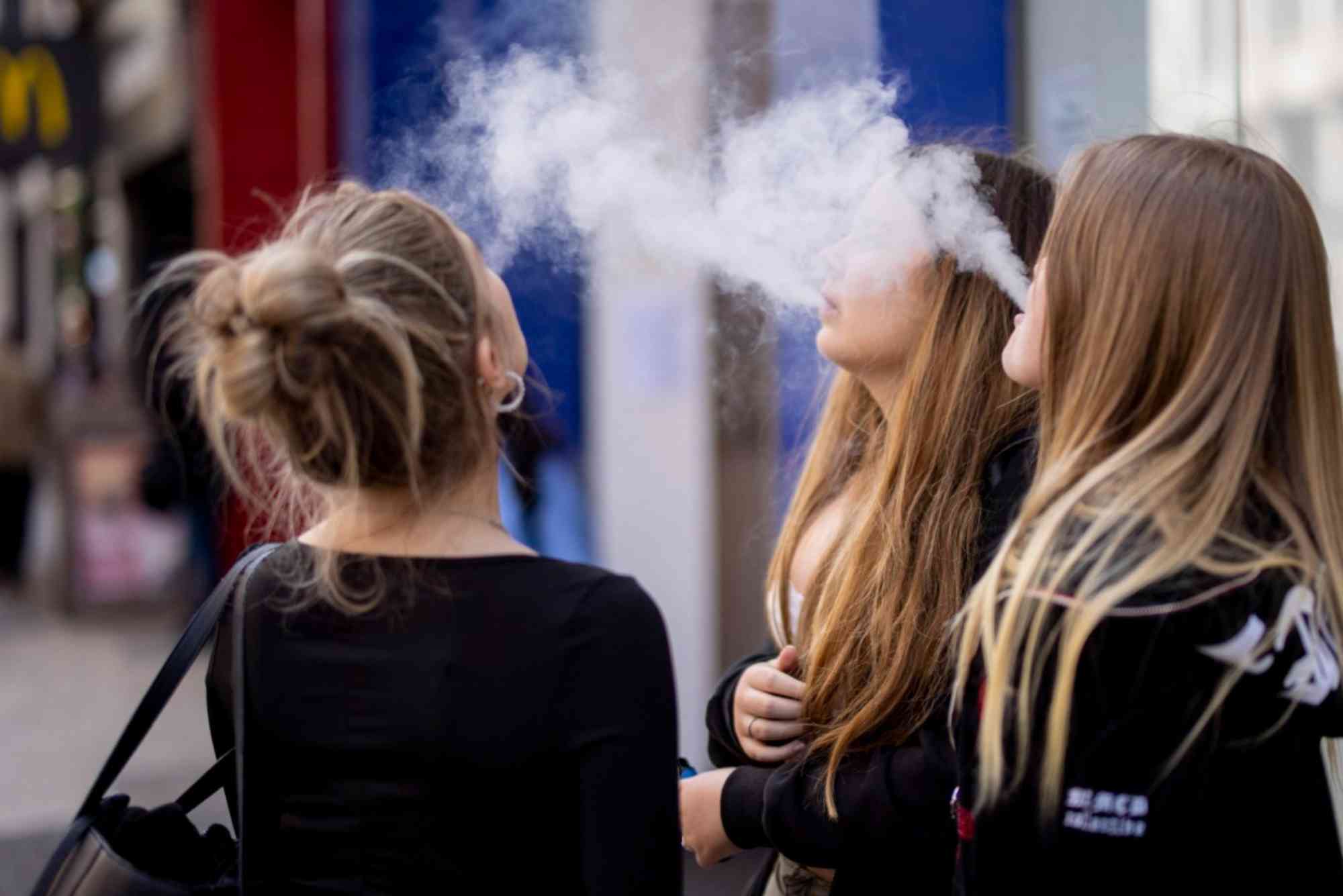
One of the major criticisms of vaping is its appeal to young people. Flavored e-liquids, attractive device designs, and social media marketing can entice minors. Even with strict laws in place, reports indicate some increase in adolescent vaping. Critics argue that this undermines public health efforts and may create a new generation addicted to nicotine.
Vaping Laws vs. Smoking Bans
Comparing Effectiveness
Scotland’s tobacco control measures have successfully reduced smoking rates over the past decade. Vaping laws aim to complement these efforts by offering adult smokers a less harmful alternative. However, the effectiveness of these laws is debated. Some research shows a decline in smoking prevalence among adults who switch to vaping, while others suggest that dual use of cigarettes and e-cigarettes may diminish potential health benefits.
Economic and Social Impact
Vaping laws also have economic implications. Retailers benefit from regulated sales, while public health systems may save costs if smoking-related illnesses decline. Socially, vaping laws contribute to changing cultural norms, making smoke-free environments more common and socially expected. However, critics argue that promoting e-cigarettes too heavily risks normalizing nicotine use rather than eradicating it.
Public Opinion on Vaping in Scotland
Public opinion in Scotland is divided. Many adult smokers view vaping as a helpful cessation tool. Others, including parents and educators, express concern about youth exposure. Surveys indicate that while awareness of vaping’s harm reduction potential is high, skepticism remains about long-term health effects. This mixed perception affects compliance, advocacy, and policy evolution.
Global Context: How Scotland Compares
Compared to other European countries, Scotland’s approach is considered cautious yet progressive. Some countries adopt stricter bans on flavored e-liquids, while others heavily promote vaping as a public health intervention. Scotland balances these extremes, restricting youth access while providing adult smokers legal avenues to safer alternatives. This careful regulation sets a precedent for evidence-based harm reduction policies.
Future of Vaping Laws in Scotland
Policy Evolution
Scotland continues to monitor vaping trends closely. Policymakers review emerging research and adjust regulations accordingly. Possible future measures include stricter limits on flavor options, tighter online sales controls, and more robust public education campaigns. These steps aim to prevent youth uptake while maximizing harm reduction for smokers.
Public Health Initiatives
Alongside legislation, Scotland invests in public health campaigns to educate citizens about vaping. Campaigns emphasize that quitting nicotine entirely remains the healthiest choice. Support programs, such as counseling and nicotine replacement therapies, complement vaping policies to provide a comprehensive approach to smoking cessation.
Real Solution or Just Hype?
Scotland’s vaping laws represent a careful attempt to strike a balance between harm reduction and public safety. For adult smokers, vaping offers a potential pathway to reduce health risks. For youth, strict regulations aim to prevent nicotine addiction. While vaping is not risk-free, it is more effective than traditional cigarettes in reducing exposure to harmful chemicals. The debate continues, but Scotland’s approach emphasizes informed choice, regulatory oversight, and public education as the pillars of harm reduction.
If you are considering vaping as a smoking alternative, it is important to understand both the benefits and limitations. Stay informed, follow legal guidelines, and consult public health resources. Explore the Scottish Government tobacco nicotine & vaping law for official guidance and updates.
FAQs
Is vaping legal in Scotland?
Yes, vaping is legal for adults over 18. There are strict regulations on sales, advertising, and public use.
Can minors buy e-cigarettes in Scotland?
No, selling e-cigarettes or nicotine products to anyone under 18 is illegal, including online purchases.
Are there public places where vaping is banned?
Yes, vaping is restricted in healthcare settings, schools, and public transport to protect non-users.
Is vaping safer than smoking?
Research suggests vaping is less harmful than traditional cigarettes, but it still carries risks, mainly due to nicotine addiction.
Can vaping help me quit smoking?
Many adult smokers use vaping as a cessation aid. It is most effective when combined with support and education programs.
Does Scotland restrict flavored e-liquids?
Certain flavors may be restricted to prevent youth appeal, though regulations continue to evolve based on public health evidence.
How can I stay updated on vaping laws?
heck the Scottish Government tobacco nicotine & vaping law website for official updates and guidance.