Vaping Should Be Illegal – What Vapers Should Know
Vaping has grown rapidly over the past decade, marketed as a “safer” alternative to smoking. Sleek devices, flavorful e-liquids, and aggressive marketing campaigns have attracted millions of users worldwide, especially teenagers and young adults. Yet, many health experts, lawmakers, and public health advocates argue that vaping should be illegal due to its harmful health effects, potential to create nicotine addiction, and its gateway role toward traditional smoking.
In this guide, we’ll explore why vaping should be illegal, what the research says, and what vapers need to know about potential legal changes worldwide.
The Rising Concern Over Vaping
Vaping is no longer a niche habit. According to public health data, millions of people use e-cigarettes daily. While vaping was initially marketed as a tool for adult smokers to quit tobacco, the reality is very different. Many non-smokers — particularly teenagers — have become addicted to nicotine because of vaping.
Health experts believe this is a public health crisis in the making. The concern is not only about nicotine addiction but also about the harmful chemicals found in vape liquids and the long-term unknown effects of inhaling vaporized substances.
Why Many Believe Vaping Should Be Illegal
Nicotine Addiction and Brain Development
Nicotine is highly addictive. For teenagers and young adults, nicotine exposure can impair brain development, affecting memory, learning, and impulse control. Since vaping devices deliver nicotine in concentrated amounts, addiction can occur rapidly, making it harder for users to quit.
Gateway to Traditional Smoking
Studies show that young people who vape are more likely to start smoking cigarettes later. This “gateway effect” undermines public health efforts to reduce smoking rates. Banning vaping could prevent a new generation from becoming addicted to nicotine products.
Unknown Long-Term Health Risks
Traditional cigarettes have been studied for decades, but vaping is relatively new. Research has already linked vaping to lung injury, heart problems, and immune system suppression. The most worrying aspect is that the full long-term risks remain unknown. Waiting for decades of research before acting could lead to irreversible harm.
Public Health Costs
The potential long-term costs of vaping-related illnesses could place a massive burden on healthcare systems. If vaping-related diseases increase, taxpayers and public funds will inevitably bear the cost.
Current Legal Status and Why It May Change
Some countries have already taken action. For example, Australia requires a prescription to access nicotine vapes, and several Asian countries, including Thailand and Singapore, have completely banned them. In the United States, regulations vary by state, but federal agencies have increased enforcement against illegal vape sales.
Lawmakers worldwide are closely monitoring health studies, and more bans or restrictions could follow. If the global evidence continues to show significant health risks, a full ban could become a reality in more countries.
What Vapers Should Know About Potential Bans
If vaping becomes illegal in your country, possession, sale, or import of vape devices and e-liquids could result in fines or legal consequences. Even if a full ban does not occur, stricter age verification, flavor bans, and nicotine limits are likely.
For those currently vaping, now is the best time to explore quitting strategies. Nicotine replacement therapies, behavioral support, and professional medical guidance can make the process easier and reduce withdrawal symptoms.
The Health Argument: Why Prevention Matters More Than Regulation
Many argue that instead of banning vaping, governments should regulate it. However, public health experts point out that even with regulations, vaping remains harmful. Preventing young people from starting is far more effective than trying to treat addiction later.
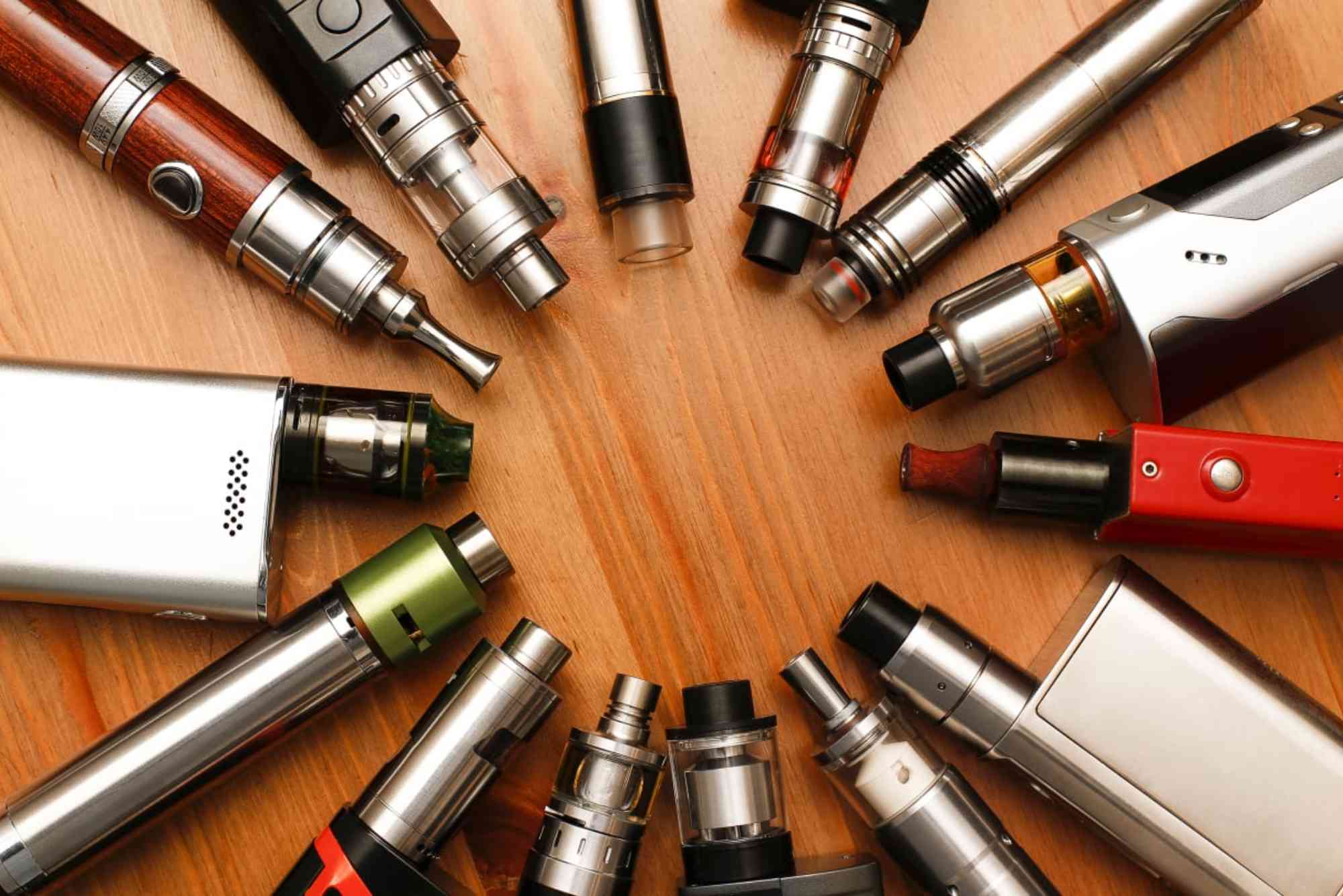
Unlike cigarettes, which are easy to identify and regulate, vaping products come in countless shapes and flavors. This makes enforcement harder and allows harmful products to slip through the cracks. A complete ban eliminates the gray areas and sends a clear public health message.
The Role of the Vaping Industry
The vaping industry has invested heavily in marketing to make vaping appear safe and trendy. Social media influencers, colorful packaging, and candy-like flavors target young people directly. Critics argue that these tactics mirror the same marketing strategies used by tobacco companies decades ago. If governments don’t act now, the vaping epidemic could grow even larger.
The Public Debate: Individual Freedom vs. Public Safety
One of the biggest debates around whether vaping should be illegal is the balance between personal choice and public health. Some argue that adults should have the freedom to choose whether to vape, while others believe public safety should come first.
When a product poses significant risks not just to users but to society as a whole — such as increased healthcare costs and youth addiction — public health policies often lean toward restriction or prohibition.
Quitting Vaping Before It’s Too Late
If you are a vaper, quitting now can help you avoid potential health risks and possible legal trouble in the future. Steps you can take include seeking professional medical advice, using nicotine replacement products, joining support groups, and identifying personal triggers that lead to vaping.
Quitting is challenging, but it is possible. The earlier you stop, the easier it will be to reverse some of the negative effects on your body.
FAQs – Common Questions About Vaping and Its Legality
Why do some people say vaping should be illegal?
Because it can cause nicotine addiction, harm brain development, lead to smoking, and has unknown long-term health risks.
Is vaping worse than smoking?
Vaping may expose users to fewer toxic chemicals than cigarettes, but it still carries significant health risks, especially for young people.
Will vaping be banned everywhere?
It depends on each country’s public health policies. Some have already banned it, while others are increasing restrictions.
Can vaping cause lung damage?
Yes. Vaping has been linked to serious lung injuries, respiratory illnesses, and other health problems.
What should I do if vaping becomes illegal in my area?
Stop using vapes to avoid legal consequences and protect your health. Seek help from healthcare professionals for quitting.
Vaping has been marketed as a safer alternative to smoking, but the evidence increasingly shows it is far from harmless. The risks to health, particularly for young people, and the potential long-term societal costs make a strong case for why vaping should be illegal.
For vapers, understanding these risks and preparing for possible legal changes is essential. Whether or not a full ban happens soon, the smartest choice is to quit now. Your health — and possibly your legal record — will thank you.