What is CBD? A Beginner’s Guide for UAE Residents
The term CBD has become increasingly popular worldwide, but for residents in the UAE, it’s often wrapped in mystery and confusion. With strict regulations on controlled substances and a culturally sensitive environment, it’s natural to wonder: What is CBD in the UAE context? This guide is designed for beginners who want a clear, trustworthy understanding of CBD — from its meaning and uses to its legal status in the Emirates.
Understanding what CBD is and how it relates to health, wellness, and legality in the UAE is crucial before engaging with any products. Whether you’ve come across CBD on social media, in overseas wellness trends, or through friends abroad, this article will help you navigate the topic with clarity and confidence.
What is CBD and Where Does it Come From?
CBD, or cannabidiol, is a naturally occurring compound found in the Cannabis sativa plant. It is one of over a hundred cannabinoids identified in cannabis, but unlike THC (tetrahydrocannabinol), CBD does not produce a “high” or intoxicating effect. Instead, it is used globally for its potential therapeutic benefits, such as reducing anxiety, relieving pain, and supporting better sleep.
CBD is typically extracted from hemp, a variety of cannabis with very low THC levels. After extraction, it can be formulated into oils, creams, capsules, and even edibles. Many people abroad use it as a wellness supplement or alternative therapy.
CBD in the UAE: Understanding the Legal Landscape
When asking what is CBD UAE, the answer must be rooted in law and regulation. The United Arab Emirates maintains very strict drug laws, and CBD is classified under the same framework as cannabis. Possession, use, or importation of any CBD-containing product, even trace amounts, can result in serious legal consequences.
Until recent years, all cannabis-related products were entirely banned, regardless of THC content. However, in late 2021, UAE authorities made subtle legal adjustments. Small traces of THC (below 0.3%) in industrial hemp-based products were technically decriminalized for non-consumable use. Still, importing, selling, or possessing any form of CBD oil or supplements remains illegal for consumers. This is crucial for residents and travelers to understand before purchasing CBD abroad or attempting to bring it into the country.
So while CBD might be sold legally in places like Europe or the US, UAE residents should not assume the same freedoms apply locally. Understanding the local context is key.
How Does CBD Work in the Body?
CBD interacts with the body’s endocannabinoid system (ECS), which plays a role in regulating various functions like sleep, mood, appetite, and immune responses. The ECS consists of receptors (CB1 and CB2), and while THC binds directly to these receptors to produce psychoactive effects, CBD works more subtly by influencing the receptors and promoting balance.
This interaction is what allows CBD to potentially ease symptoms related to stress, pain, inflammation, and anxiety. Unlike medications that target specific symptoms, CBD seems to support overall homeostasis — the body’s internal balance.
Common Benefits of CBD (Outside the UAE)
Globally, users of CBD report a wide range of benefits, though clinical research is still ongoing. These benefits include:
- Anxiety relief: Many users claim CBD helps reduce anxiety and stress.
- Pain management: CBD is being explored as a natural anti-inflammatory.
- Sleep improvement: Some find it helps with insomnia or irregular sleep patterns.
- Skin conditions: Topical CBD products are used to calm eczema and acne.
- Neurological support: Studies are investigating CBD’s effect on epilepsy and multiple sclerosis.
It’s worth noting that most studies are conducted in regulated environments and products are manufactured under quality standards not always present in unregulated markets.
What Forms Does CBD Come In?
CBD is available in many forms, depending on the country and its legal framework. These include:
- CBD oil and tinctures
- Capsules and softgels
- Gummies and edible snacks
- Creams, balms, and lotions
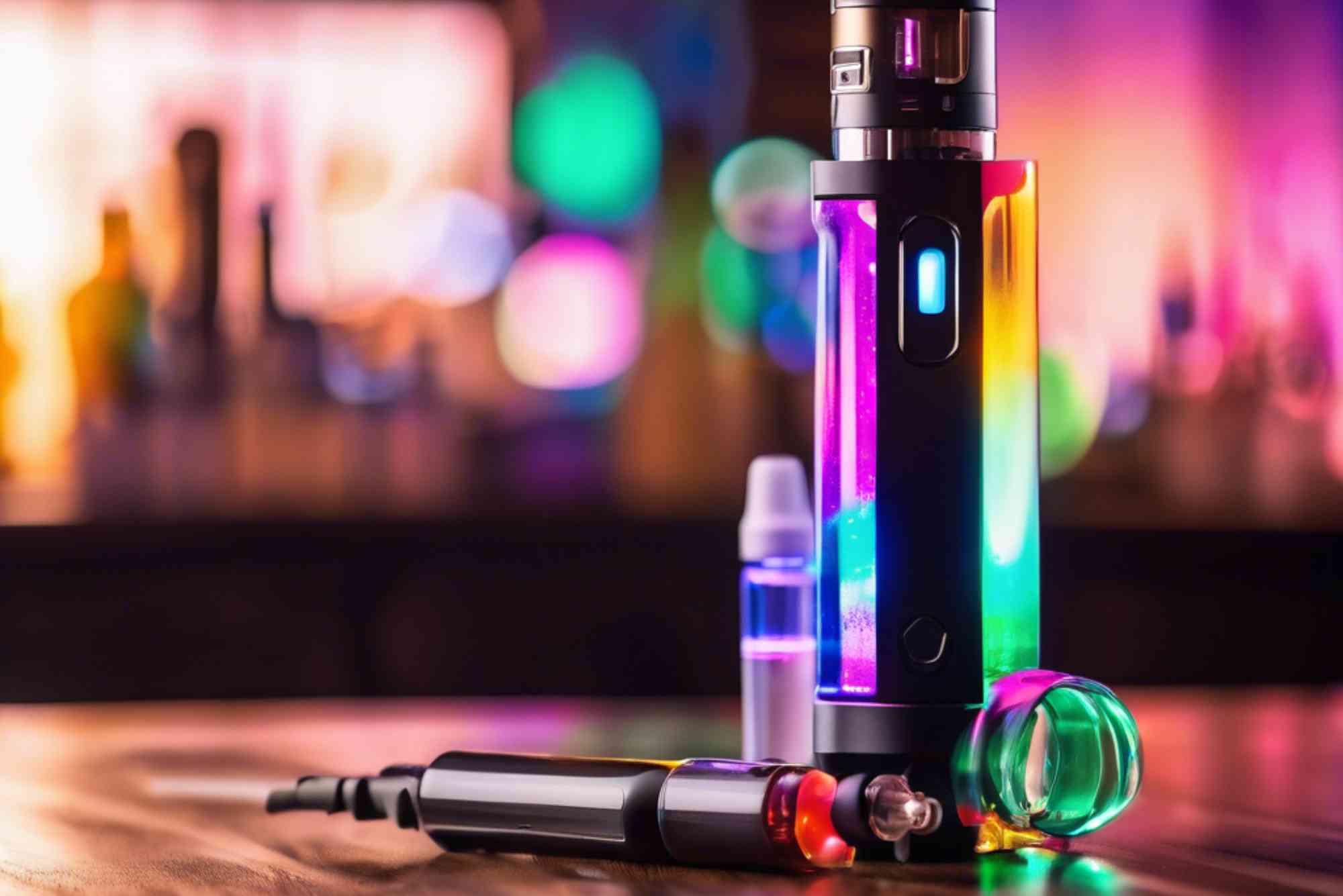
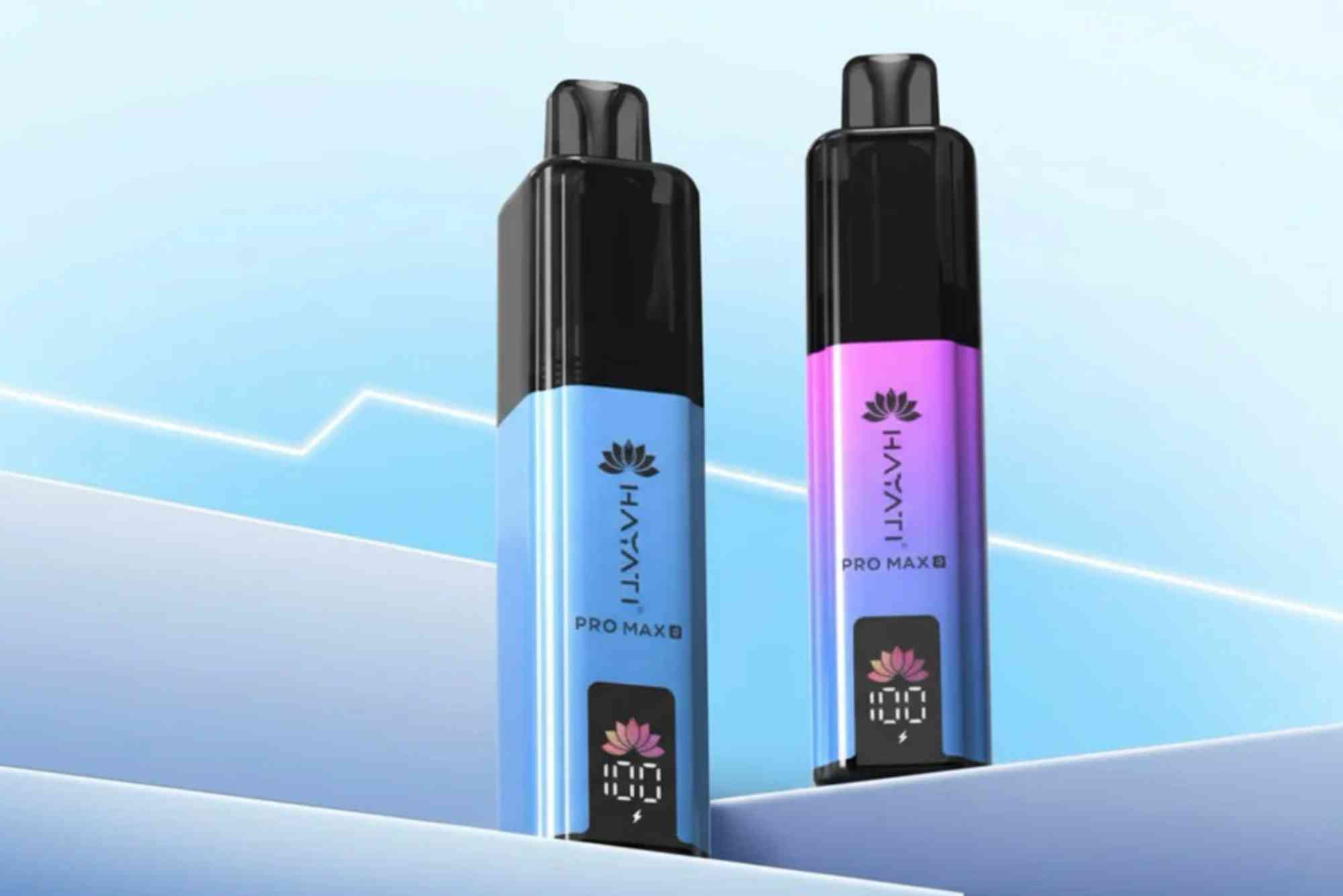
- Vape cartridges and e-liquids
In countries where CBD is legal, products must often be third-party tested and clearly labeled. In the UAE, however, even trace amounts in cosmetics or supplements could lead to legal action. Always double-check ingredients when purchasing health products locally or online.
Why UAE Residents Should Be Extra Cautious
Many UAE residents are unaware that simply using or possessing a CBD product purchased abroad can lead to jail time, fines, or deportation. Even small quantities detected in blood or urine tests can trigger penalties under narcotics laws.
Airport screenings, customs checks, and random drug tests are serious procedures in the UAE. Some residents have unintentionally committed drug offenses by bringing in CBD skincare products or supplements labeled as “hemp oil.”
It’s essential to avoid risks. Never purchase CBD products online, even from international sites that offer global shipping. Don’t assume that customs will allow hemp-derived products through. If you’re traveling abroad, make sure to dispose of all CBD-related items before returning.
Alternatives to CBD in the UAE
If you’re seeking wellness solutions similar to CBD without legal risks, consider the following alternatives:
- Herbal teas like chamomile or ashwagandha for relaxation
- Magnesium supplements to aid sleep and reduce stress
- Mindfulness practices, such as meditation or yoga
- Prescription medications from licensed healthcare providers
- Natural oils like lavender or peppermint for aromatherapy
These options offer legal and safe pathways for those looking to manage stress, anxiety, or chronic pain without risking their residency or freedom.
Future of CBD in the UAE: Is Legalization Possible?
Globally, there is a growing shift in attitudes toward cannabis and CBD. Many countries have reclassified CBD as a wellness product or medicine. However, in the UAE, progress is slow due to cultural, legal, and religious sensitivities.
That said, there has been a softening of certain laws in recent years, including reduced penalties for first-time drug offenses and distinctions between recreational and medicinal drug use. Whether this signals a future change for CBD products remains to be seen.
Until clear regulations are introduced — with government-approved labeling and guidelines — UAE residents should treat all CBD products as illegal.
What to Do If You’re Caught with CBD in the UAE
If someone is found with a CBD product, even unknowingly, the first step is to seek legal assistance immediately. Penalties vary depending on the amount and nature of the product. Ignorance of the law is not a defense.
The best advice is prevention. Stay informed, ask questions before buying international health products, and avoid bringing any hemp-derived items into the UAE. When in doubt, leave it out.
Stay Safe and Informed
Understanding what is CBD UAE is not just about knowing what the compound is — it’s also about knowing how to navigate its presence in a highly regulated country. While CBD may offer real health benefits, those benefits are only relevant where its use is legal and supervised.
For UAE residents, the risks currently outweigh the rewards. Staying informed, making safe choices, and seeking legal wellness alternatives is the most responsible path forward.
FAQs
What is CBD and is it legal in the UAE?
CBD, or cannabidiol, is a compound found in cannabis. It is illegal for consumption or possession in the UAE, even in small amounts.
Can I bring CBD oil to the UAE from another country?
No. Bringing CBD oil into the UAE is strictly prohibited and could lead to arrest, fines, or deportation.
Are there any legal CBD products in the UAE?
Currently, no CBD oils, capsules, or edibles are legally approved for sale or use by consumers in the UAE.
What happens if I accidentally use a product with CBD?
If detected through a drug test or at customs, it can lead to legal penalties. Always check product labels and ingredients before use.
Does the UAE differentiate between CBD and THC?
Both are treated under the same laws. The UAE does not currently separate legal standards for CBD and THC-containing products.
Why is CBD considered illegal in the UAE if it’s not psychoactive?
Despite being non-intoxicating, CBD is derived from cannabis. UAE laws categorize it under the same umbrella due to origin and potential THC contamination.