Introduction
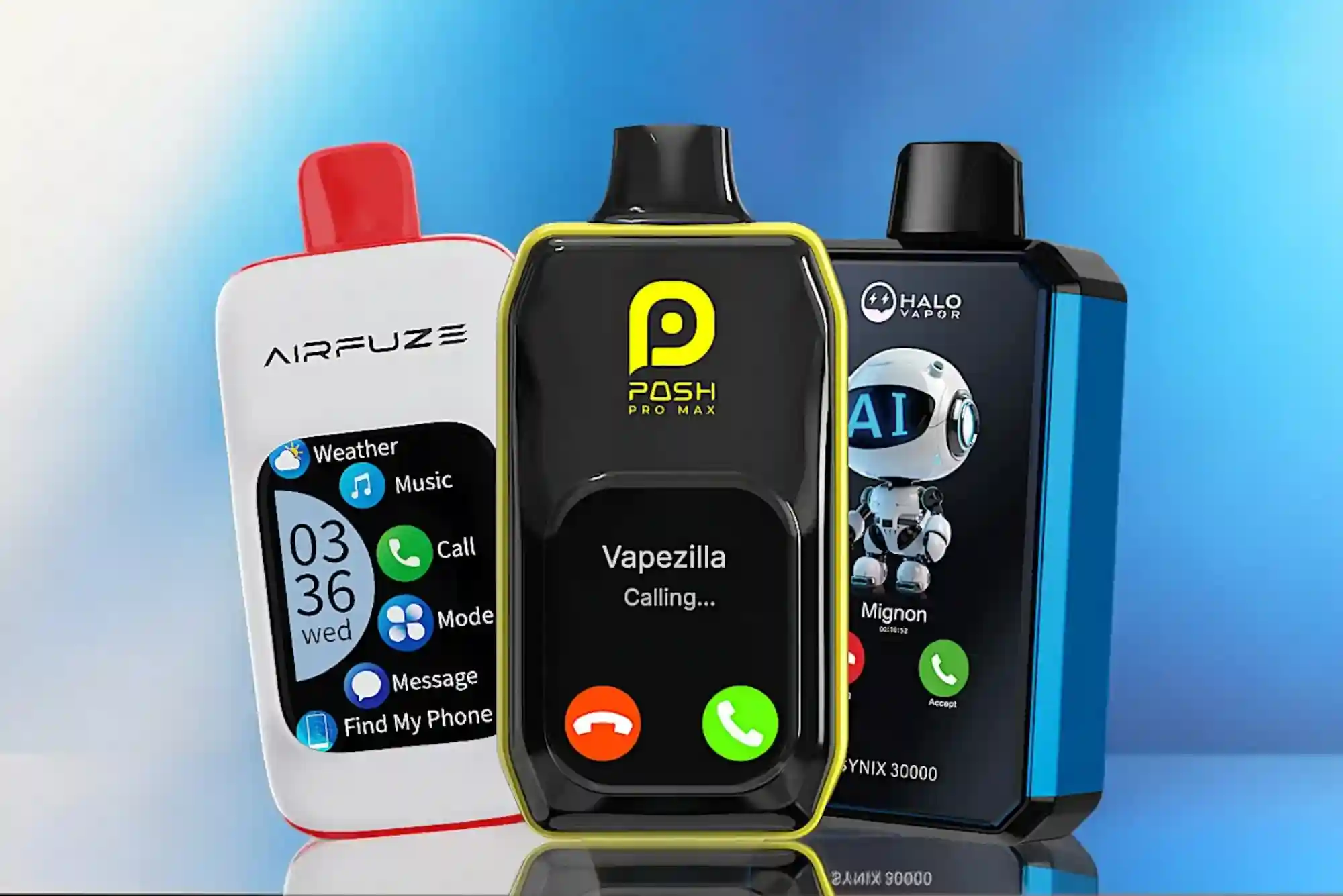
Technology continues to transform the vaping industry. In 2025, manufacturers are exploring smarter designs, digital features, and connected technologies. These developments are changing how people understand modern vaping devices. From Bluetooth connectivity to intelligent temperature controls, innovation is becoming increasingly important.
The latest 2025 Vape Tech Trends: The Rise of Smart Devices reflect a wider shift toward connected consumer technology. Manufacturers are exploring features that offer better device monitoring and more convenient operation. However, technological advancement also raises questions about privacy, battery safety, and responsible product design.
Smart vaping technology is attracting attention across the electronic cigarette market. Companies are experimenting with digital displays, companion applications, and improved hardware. These developments also connect with broader 2025 vaping and e-cigarette trends, including changing consumer expectations and evolving industry regulations.
Understanding these innovations helps readers distinguish meaningful technological improvements from marketing claims.
Understanding the 2025 Vape Tech Trends: The Rise of Smart Devices
Smart vaping devices represent an emerging category of electronic cigarettes. They incorporate digital components that provide additional information or control. Depending on the model, these features may include electronic displays, sensors, software, and wireless connectivity.
Traditional devices generally offer straightforward operation. In comparison, connected models may provide additional information through integrated electronics.

However, adding technology does not automatically make a device safer. Nicotine-containing products still carry significant health risks. Smart features should never be confused with health benefits or reduced nicotine dependence.
What Makes a Vape Device Smart?
A smart device uses electronic technology to perform functions beyond basic power delivery. Some models include software-controlled settings and digital monitoring systems.
For example, an electronic display may communicate battery status and device errors. Other designs experiment with Bluetooth connections and application-based settings.
Manufacturers may also explore firmware updates. These updates can address software problems or improve device functionality. Nevertheless, availability depends on the manufacturer and specific hardware.
Bluetooth Connectivity and Companion Applications
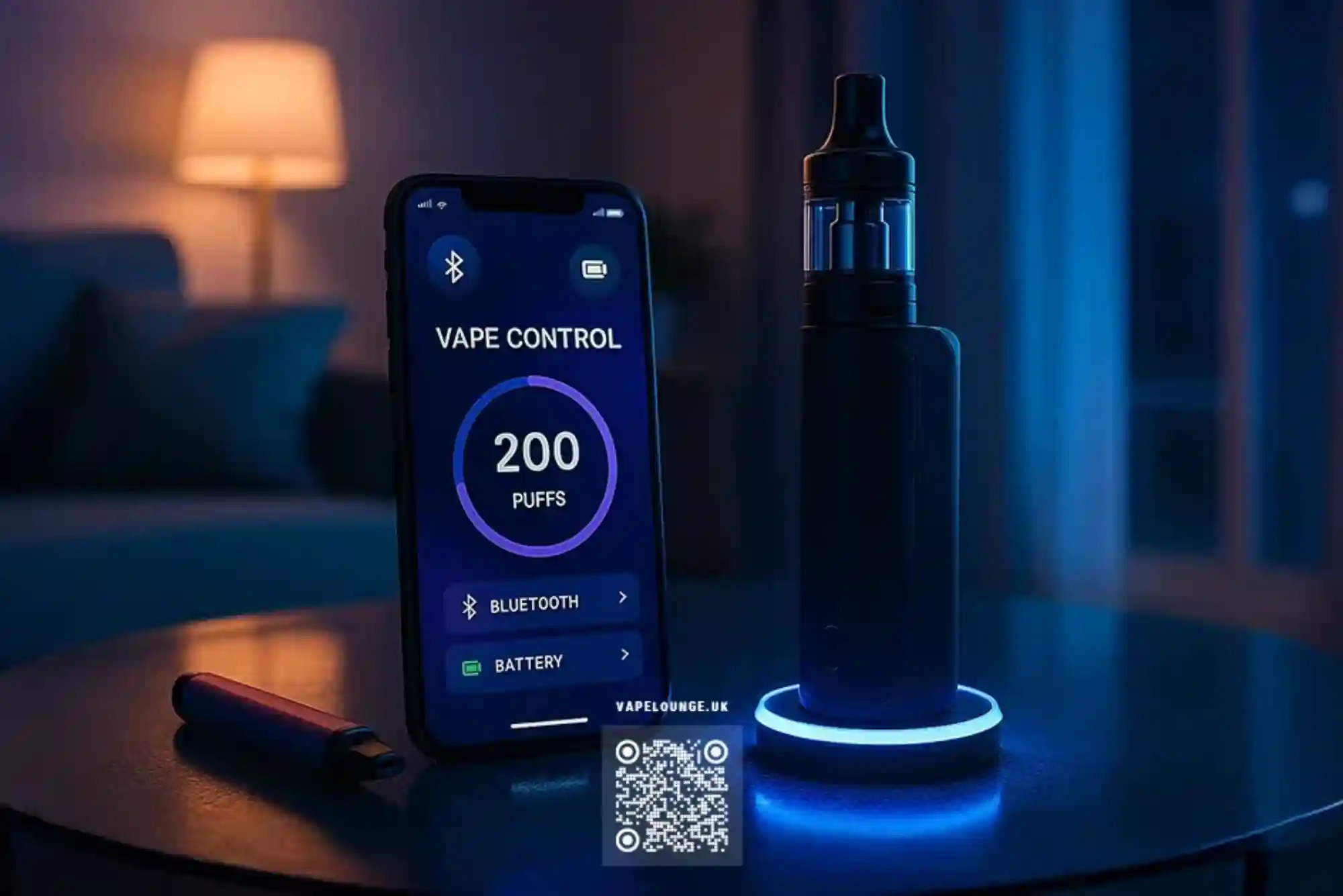
Bluetooth connectivity is one of the most discussed developments in connected vaping technology. It allows compatible electronic devices to communicate with smartphones.
Companion applications can provide information about device status. Some manufacturers may also use applications for configuration and technical support.
How Smartphone Integration Works
A compatible device contains a wireless communication component. The smartphone application connects through an established Bluetooth connection.
Depending on the product, users may access battery information or troubleshooting guidance. Certain applications may also provide firmware notifications.
Nevertheless, these capabilities differ between manufacturers. Consumers should examine product documentation before assuming that every smart device supports the same functions.
Privacy and Data Protection
Connected technology creates additional privacy considerations. Applications may request access to device information or smartphone permissions.
Therefore, manufacturers should explain their data collection practices clearly. Users should understand what information applications collect and how companies store it.
Strong encryption, transparent privacy policies, and secure software updates are important considerations. These protections matter whenever consumer products connect to personal devices.
Artificial Intelligence and Intelligent Device Features
Artificial intelligence is influencing numerous consumer electronics categories. The vaping industry may also explore AI-related technologies in device management and technical monitoring.
However, it is important to distinguish established capabilities from experimental concepts.
Predictive Maintenance and Device Monitoring
Smart electronics can potentially identify unusual operating conditions. Sensors may monitor temperature, battery performance, and electrical activity.
Software could then communicate maintenance warnings or technical errors. This approach may help manufacturers identify hardware problems earlier.
However, these systems require proper testing. An electronic warning cannot guarantee that a device is operating safely.
The Role of Intelligent Software
Software is becoming increasingly important in modern electronic products. Connected devices may use applications to display technical information and communicate updates.
In future designs, manufacturers could explore more advanced diagnostic systems. These systems would need transparent testing and reliable performance.
AI should support responsible engineering rather than encourage greater nicotine consumption.
Temperature Control and Advanced Hardware
Temperature management remains an important consideration in electronic device engineering. Excessive heat can affect electronic components and battery performance.
Modern hardware designs increasingly consider thermal management during product development.
Intelligent Temperature Monitoring
Electronic sensors can measure temperature within different parts of a device. Software may use this information to identify unusual operating conditions.
Such monitoring can provide technical warnings. However, it cannot eliminate every potential hazard.
Proper hardware design, quality components, and independent testing remain essential.
Battery Management Improvements
Battery technology is another important area of innovation. Rechargeable lithium-ion batteries require appropriate charging and protection systems.
Modern electronic designs may incorporate overcharge protection and temperature monitoring. Some devices also communicate battery status through digital displays.
Consumers should follow manufacturer charging instructions. Damaged batteries, unsuitable chargers, and unauthorized modifications can create serious risks.
Digital Displays and User-Friendly Interfaces
Digital displays are becoming common across many electronic product categories. They can communicate technical information more clearly than simple indicator lights.
In vaping devices, screens may display battery levels, error messages, and connection status.
Why Digital Interfaces Matter
A clear interface helps users understand basic device information. It can also make technical warnings easier to recognize.
However, attractive screens should not distract from product quality. Manufacturers must prioritize reliability and clear communication.
A complicated interface can create unnecessary confusion. Therefore, good design should balance functionality with simplicity.
Customization and Device Settings
Some advanced electronic products provide configurable settings. Depending on the model, users may access different display preferences or operating information.
Nevertheless, customization should not encourage excessive nicotine consumption. Responsible product development must consider age restrictions and applicable regulations.
Firmware Updates and Connected Device Security
Firmware controls important functions within electronic hardware. Manufacturers sometimes release updates to address technical issues or improve software reliability.
Connected devices can make update notifications easier to deliver.
Why Firmware Updates Matter
Software problems can affect device functionality. Manufacturers may release updates to correct identified bugs or security weaknesses.
However, updates should come directly from authorized sources. Unofficial firmware can introduce compatibility and security problems.
Consumers should also check whether a device supports updates before purchasing it.
Protecting Connected Devices
Cybersecurity deserves attention as vaping technology becomes more connected.
Manufacturers should use secure communication protocols and authenticated software updates. They should also explain how long products receive security support.
These practices help establish consumer confidence. They also demonstrate that connected hardware requires responsible software management.
Sustainability and the Future of Vape Technology
Sustainability is becoming an important discussion across consumer electronics. Electronic cigarettes also raise environmental concerns because they contain batteries, electronic components, and plastic materials.
Smart technology alone does not make vaping environmentally friendly.
Electronic Waste and Battery Recycling
Disposable electronic products can contribute to electronic waste. Batteries require appropriate collection and recycling procedures.
Manufacturers should provide clear disposal information. Consumers should avoid placing rechargeable batteries in ordinary household waste.
Better recycling systems could help address environmental challenges.
Reusable Hardware and Product Longevity
Longer-lasting electronic components may reduce the frequency of product replacement. However, durability depends on actual product construction and maintenance requirements.
Manufacturers should consider repairability and responsible material sourcing. They should also provide accessible recycling information.
Sustainability claims should be supported by measurable evidence rather than promotional language.
Regulations and Responsible Smart Vape Development
Technological innovation does not remove regulatory responsibilities. Electronic cigarettes remain subject to different legal requirements across international markets.
In 2025, manufacturers must consider product standards, marketing restrictions, age verification, and consumer protection.
Age Restrictions and Digital Controls
Connected technology may provide opportunities for stronger age-verification systems. However, digital verification must protect personal information.
Manufacturers should avoid collecting unnecessary sensitive data. Any verification process must follow applicable privacy requirements.
Additionally, technical restrictions cannot replace effective regulation and enforcement.
Advertising and Consumer Protection
Smart device marketing requires responsible communication. Companies should avoid presenting digital features as proof of health benefits.
They should also avoid promotional strategies that appeal to minors.
Clear product information and transparent technical claims help consumers make informed decisions.
Challenges Facing Smart Vape Technology
Despite growing technological interest, connected vaping devices face several challenges.
Manufacturing costs remain an important consideration. Additional sensors, displays, and wireless components can increase production expenses.
Battery efficiency is another concern. Wireless communication and digital displays require electrical power.
Compatibility can also create difficulties. Different operating systems and application requirements may affect connectivity.
Furthermore, software support is essential. A device can become less useful when its companion application stops receiving updates.
Privacy and cybersecurity remain equally important. Manufacturers must protect connected products against unauthorized access.
These challenges demonstrate why technological innovation requires careful engineering and independent evaluation.
What Does the Future Hold for Smart Vape Devices?
The future of smart vaping technology will depend on regulation, engineering, and consumer demand.
Manufacturers may continue exploring connected applications and advanced monitoring systems. Better battery management and improved electronic components could also influence future product development.
However, not every technological experiment will become a mainstream feature.
The most meaningful developments will likely involve reliable hardware, transparent software, and responsible manufacturing.
Industry observers can also examine broader market developments through reports covering 2025 vaping and e-cigarette trends. Such research provides additional context about changing product categories and the wider electronic cigarette industry.
Ultimately, successful innovation requires more than attractive features. Companies must demonstrate product reliability, regulatory compliance, and responsible business practices.
Conclusion
The 2025 Vape Tech Trends: The Rise of Smart Devices highlight the growing relationship between electronic cigarettes and connected consumer technology.
Bluetooth connectivity, digital displays, temperature monitoring, and firmware updates demonstrate how manufacturers are exploring new technical possibilities.
Nevertheless, innovation must come with responsibility. Privacy protection, battery safety, environmental considerations, and regulatory compliance remain essential.
Smart features do not remove the health risks associated with vaping or nicotine.
Choosing reliable technology means looking beyond appearance and focusing on build quality, battery protection, and component lifespan. Most Durable Smart Vape Devices for Long-Term Use highlights the importance of sturdy construction, dependable performance, and responsible device maintenance when exploring modern vaping technology.
Frequently Asked Questions
What are the latest vape technology trends in 2025?
Emerging developments include Bluetooth connectivity, digital displays, battery monitoring, firmware updates, and improved electronic components. Manufacturers are also exploring connected applications and more advanced diagnostic features.
What is a smart vape device?
A smart vape device incorporates electronic technology beyond basic operation. Depending on its design, it may include digital displays, wireless connectivity, sensors, or software-based monitoring features.
Can vape devices connect to smartphones?
Some compatible devices support Bluetooth connectivity and smartphone applications. Available functions vary by manufacturer and model. Users should check official product documentation for compatibility information.
Are smart vape devices safer than traditional vapes?
No. Smart technology does not establish that a vaping product is safe. Electronic cigarettes can expose users to nicotine and other potentially harmful substances. Digital monitoring cannot eliminate these health risks.
Discover a fresh perspective on modern vaping culture with Neovapex. Explore insights into vaping trends, product innovations, technology, and lifestyle developments shaping the industry. Whether you are interested in understanding the latest developments or learning more about evolving vaping preferences, Neovapex offers an informative starting point for exploring this growing market.